The loss to the Buffalo Bills was supposed to be a lesson, not a collapse. Yet as Pittsburgh fell 7–26 in a game that felt over long before the final whistle, it was clear that something deeper was broken—something that went beyond missed tackles, dropped passes, or a quarterback struggling to find rhythm. And when former Steelers head coach Bill Cowher, one of the most respected figures in franchise history, stepped forward with a scathing critique of Mike Tomlin’s offense, the conversation surrounding the team shifted from frustration to full-blown alarm.
Cowher did not speak with anger. He spoke with the unmistakable authority of a coach who once defined what it meant to play Steelers football. His tone was calm but razor sharp as he broke down the film from Sunday’s defeat. The legendary coach pointed directly to one critical offensive sequence—a third-and-short early in the third quarter—calling it “the turning point that took the life out of the team.” It was a moment when the Steelers trailed by only ten points and needed momentum, energy, and identity. Instead, the offense stalled, choosing a slow-developing play that the Bills defense read instantly, stuffing the backfield and forcing a punt. According to Cowher, that single decision didn’t just kill the drive. It broke the team’s composure for the rest of the game.
In his words, it was “the moment Pittsburgh lost control of the entire afternoon.” As soon as those comments aired, the NFL world lit up with debate. Some saw Cowher’s analysis as tough love from a former coach who still cares about the franchise. Others interpreted it as a direct indictment of Mike Tomlin’s game management, offensive philosophy, and leadership in a season where the Steelers no longer seem to recognize themselves. But one thing was undeniable: Cowher said publicly what many inside Pittsburgh had whispered privately for weeks. The offense is broken—and fixing it may require more than a few minor adjustments.
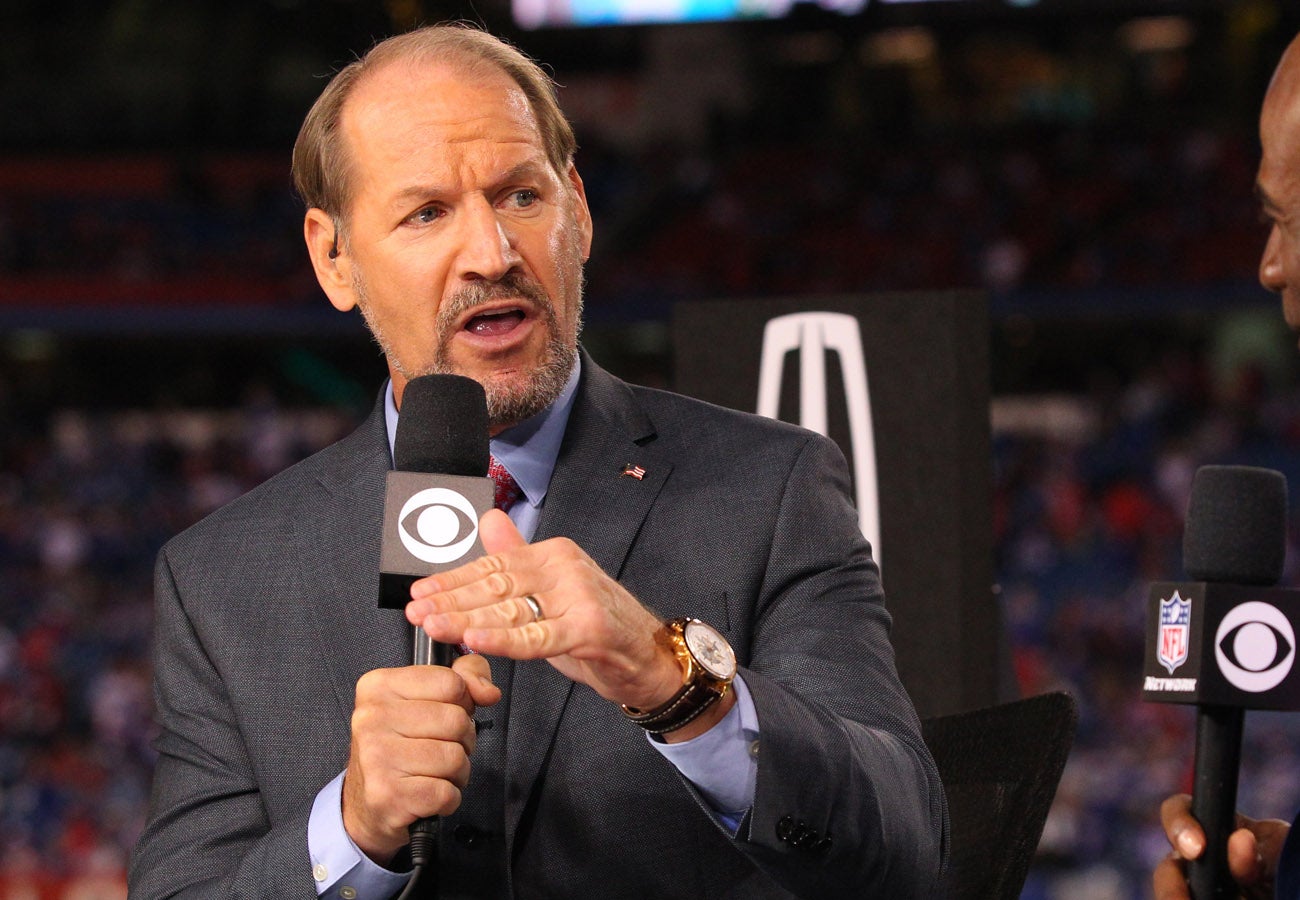
Inside the Steelers’ locker room, the reaction to Cowher’s comments was a quiet mixture of respect and anxiety. Players acknowledged the truth in his analysis but also understood the weight of such criticism coming from a franchise icon. Cowher’s opinion resonates because he once stood exactly where Tomlin stands now: juggling expectations, culture, and the enormous pressure of leading a team that measures success in championships, not excuses. Several offensive players admitted that the failed third-and-short call had been a point of frustration even before Cowher highlighted it, describing the moment as “deflating, confusing, and predictable.” One player privately shared that the offense “needs an identity again,” a message that echoed the coach’s public critique.
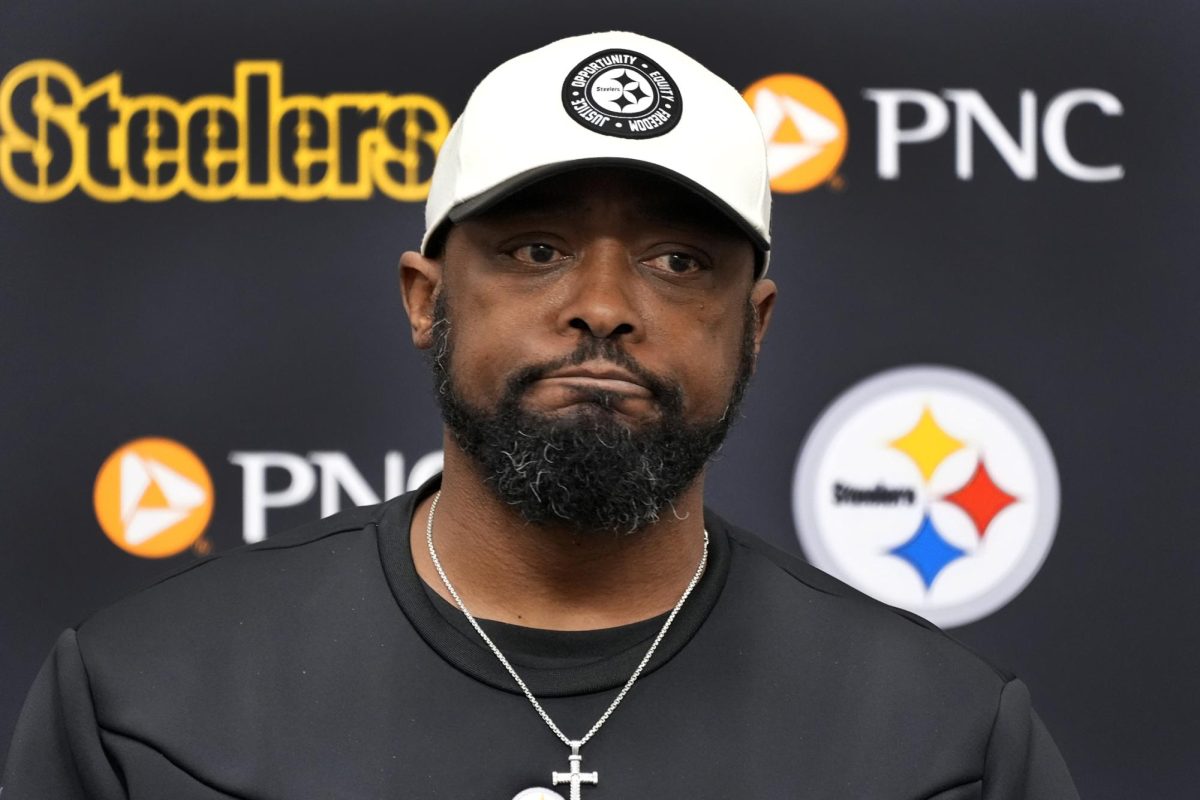
For Mike Tomlin, the scrutiny could not have arrived at a more challenging time. Already dealing with mounting injuries, inconsistent quarterback play, and growing fan unrest, he now faces questions about whether his offensive strategy has grown too conservative and predictable for modern NFL defenses. Tomlin defended his staff, insisting that the play was the correct call based on the Bills’ formation, but he admitted the execution “wasn’t where it needed to be.” Still, his explanation did little to calm the storm. Fans pointed out that Pittsburgh has repeated the same patterns all season—slow-developing plays on key downs, an inability to generate explosive moments, and a lack of adjustments when the offense stalls. Cowher’s critique amplified those concerns, giving them legitimacy and urgency.
Beyond the failed play call, Cowher emphasized a broader issue: discipline. He pointed to miscommunications at the line of scrimmage, players running routes at inconsistent depths, and a visible lack of confidence in the offensive structure. These weren’t isolated incidents—they were signs of a system that has drifted far from the tough, precise football that once defined the Steelers. Cowher lamented that Pittsburgh’s offense “no longer imposes its will,” instead reacting passively and hoping for individual heroics rather than generating collective cohesion. That analysis struck particularly hard because it directly contrasts with the identity the franchise built under his leadership—an identity centered on physicality, clarity, and consistency.
The fallout from Cowher’s remarks extended far beyond Pittsburgh. Analysts across the league took sides, with some defending Tomlin by highlighting the challenges of integrating a veteran quarterback into a young roster still learning how to operate in high-pressure scenarios. Others argued that the offense’s problems run much deeper than personnel, suggesting a fundamental structural issue that requires a philosophical reset. Social media erupted with fans calling for changes in the coaching staff, with offensive coordinator critics becoming louder than ever. Yet even in the noise, Cowher’s voice held a unique gravity. He did not criticize to humiliate—he criticized to illuminate.
What makes this moment so pivotal is the emotional weight behind it. Cowher is not just any commentator; he is a Super Bowl champion who brought Pittsburgh out of one of its darkest eras. When he speaks, it carries the echo of a coach who has lived through pain, revival, and redemption. His critique was not an attack—it was a reminder that Steelers football is built on standards that cannot be compromised. He urged the team to rediscover the urgency, precision, and passion that once made them the most feared team in the AFC. His message to Tomlin was subtle but unmistakably firm: the Steelers cannot win games by playing not to lose.
Meanwhile, inside the organization, tension continues to rise. Sources revealed that team executives held a late-night meeting to discuss offensive adjustments for the remainder of the season. While no drastic changes were announced, the fact that such a meeting occurred at all underscores the shaky ground beneath the coaching staff. As the team prepares for its next matchup, players have been told to expect a more aggressive approach in practice, with emphasis on tempo, communication, and accountability. Whether these adjustments will translate into meaningful change remains uncertain, but the urgency is undeniable.

The ripple effects of Cowher’s critique extend all the way to the fan base. Many supporters feel heard, validated, and awakened by the legendary coach’s words. Others worry that public criticism from within the Steelers’ own family could deepen internal divisions. Yet the truth is that Pittsburgh is at a crossroads. The offense is struggling, the season is slipping away, and the franchise’s identity is at stake. Cowher’s comments did not create the crisis—they simply revealed it.
As the Steelers attempt to pick up the pieces from an embarrassing loss, one question hangs over the franchise like a storm cloud: Will this be the wake-up call that sparks a turnaround, or the moment that exposes fractures too deep to repair? Bill Cowher has handed Mike Tomlin and his staff an uncomfortable truth. What they do with it—how they respond, adjust, and reclaim control—will determine not only the outcome of the season but the legacy of leaders whose reputations were built on the unshakeable foundation of Steelers pride.
In the end, Cowher’s critique was more than a breakdown of a failed play. It was a warning. A plea. A challenge. And perhaps, if the Steelers can rediscover the identity that once made them great, it may eventually be remembered as the moment Pittsburgh began to fight its way back from the edge.