In a development that has thrown a high-profile legal effort into disarray, a federal judge in Washington temporarily barred the Justice Department from accessing or relying on files tied to a central witness in the government’s pursuit of former FBI Director James B. Comey. The ruling, issued by Senior Judge Colleen Kollar-Kotelly, represents the most significant obstacle yet to the Trump administration’s attempts to revive an indictment previously dismissed over questions of prosecutorial authority.
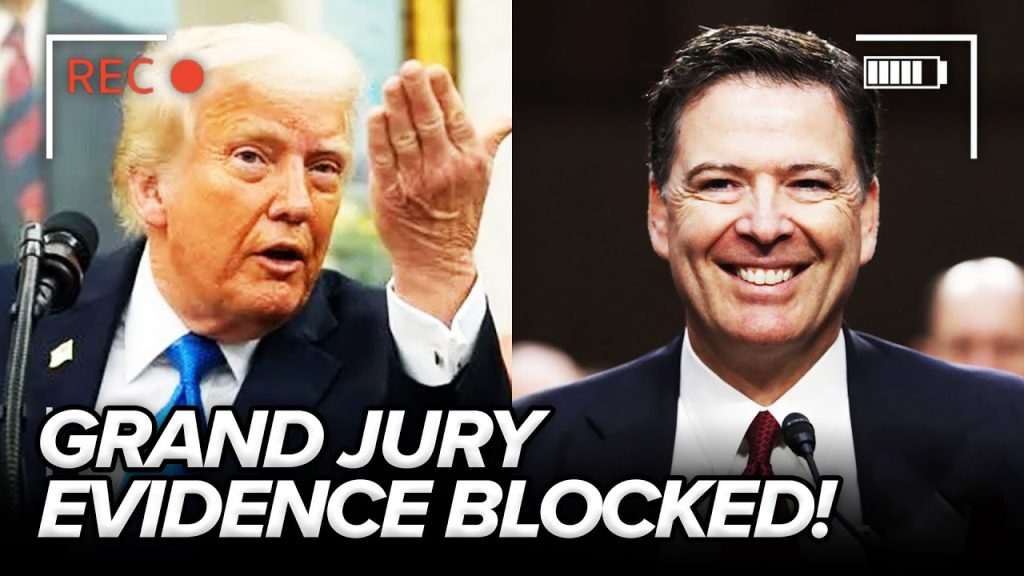
The case has become a flashpoint in the contentious intersection of law enforcement, executive power and political rivalry — with three controversial figures at its center: President Donald J. Trump, former FBI director James Comey, and prosecutor Lindsey Halligan. Each plays a distinct role in a legal saga now entering a more volatile phase.
The dispute began years earlier, when Columbia Law School professor Daniel Richman voluntarily turned over digital files to federal investigators between 2017 and 2020. Those materials, originally provided during Trump’s first term, were later used to support an indictment accusing Comey of lying to a grand jury. That case collapsed in September after U.S. District Judge Curry ruled that Halligan, the lead prosecutor, had been improperly appointed and lacked legal authority to bring the charges.
Rather than ending the matter, the dismissal prompted speculation — fueled by leaks from within the Justice Department — that the Trump administration was preparing a second indictment, potentially as early as this month. Comey’s legal team, led by veteran federal prosecutor Nick Lewin, responded by filing an emergency motion alleging that the government had improperly retained and secretly re-searched Richman’s files years after the original inquiry had closed.

At the heart of the motion was a stark accusation: that the Justice Department, acting under Halligan’s direction, conducted a warrantless, unrestricted search of Richman’s computer image, email account and iCloud data long after the relevant warrants had expired. A magistrate judge overseeing portions of the Comey case agreed, calling the government’s actions “a clear violation of Fourth Amendment protections.”
Judge Kollar-Kotelly’s ruling echoed those concerns. In her temporary restraining order, she noted that the government had failed to appear in the case despite outreach from the court. She further found that Comey and Richman were likely to succeed on the merits of their constitutional claim and that allowing prosecutors continued access to the disputed materials risked irreparable harm.
The injunction, which runs through the end of the week, prohibits the Justice Department — and by extension the Trump administration — from accessing, reviewing or using any files previously obtained from Richman. It also requires the attorney general to identify and secure all copies of the material, and to certify compliance under threat of further judicial action.
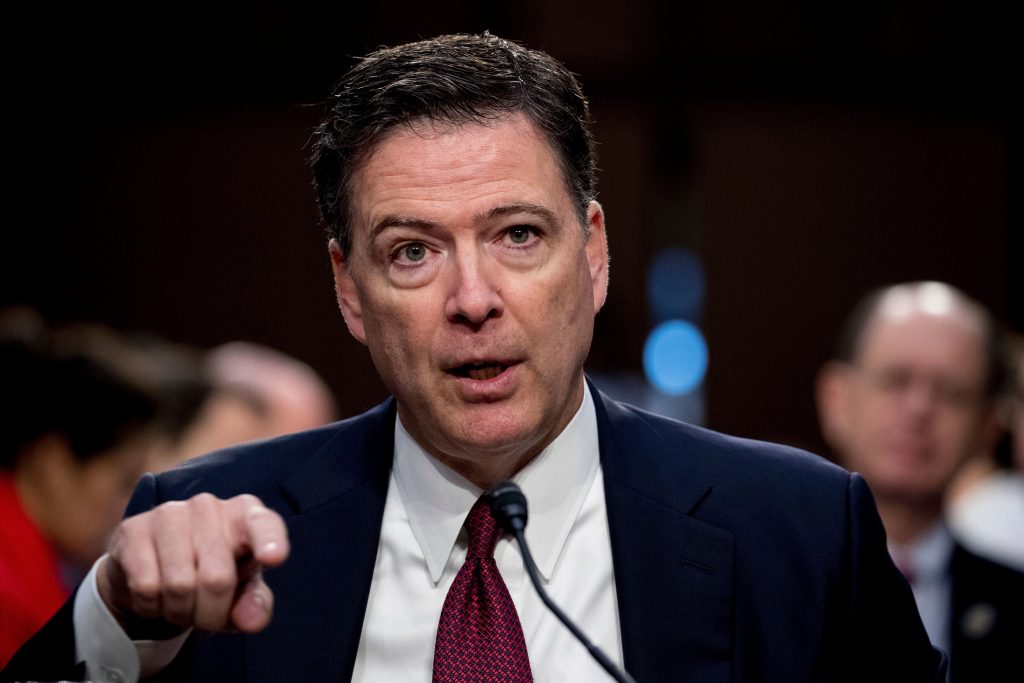
The ruling poses an unusual challenge for President Trump, who has repeatedly sought to portray Comey as a symbol of institutional betrayal dating back to the 2016 election. The administration’s push to resurrect the Comey case has been framed by critics as part of a broader effort to reassert presidential authority over federal investigations, including those involving figures once critical of Trump’s leadership.
But the setback also raises new questions for Halligan. Once viewed as a rising figure inside the Justice Department, she now faces mounting scrutiny over her role in authorizing the disputed searches and her failure to secure proper warrants. Her actions not only unraveled the original indictment but have now jeopardized the administration’s ability to bring any successor case that relies on the same evidence. Legal experts warn that even derivative use of Richman’s files — the “fruit of the poisonous tree” — could invalidate future charges.
For Comey, the ruling represents a rare moment of momentum after years of political and legal pressure. Still, his attorneys have cautioned that the fight is unlikely to end soon. The Justice Department could attempt a new indictment built on unrelated evidence or pursue alternative charges untouched by the court’s restrictions.
Judge Kollar-Kotelly has ordered an accelerated briefing schedule, signaling that the matter will move swiftly toward a final ruling on the legality of the government’s actions. Whatever the outcome, the dispute has already exposed deep rifts insid