Jimmy Kimmel vs. Trump: A Racist Tirade, a Fake Gold Card, and a Late-Night Meltdown America Can’t Ignore
Donald Trump intended to sell optimism when he appeared in Pennsylvania to discuss the economy and affordability. Instead, he ignited a firestorm. What was billed as a routine speech quickly unraveled into one of the most openly racist moments of his presidency, triggering backlash that spread from political circles straight into late-night television.
At the center of the controversy was Trump’s unveiling of the so-called “Trump Gold Card,” an immigration proposal that would allow wealthy foreigners to buy residency and a path to citizenship for a million dollars. Critics were stunned by how casually Trump framed citizenship as a luxury product, reducing one of America’s core values to a transaction reserved for the ultra-rich.
The speech veered further off course when Trump revived rhetoric he once denied ever using. On stage, he openly suggested America should accept immigrants from Scandinavian countries while attacking nations like Somalia in demeaning terms. The remarks echoed language from 2018 that Trump previously dismissed as “fake news,” but this time he delivered them proudly, in public, without hesitation.

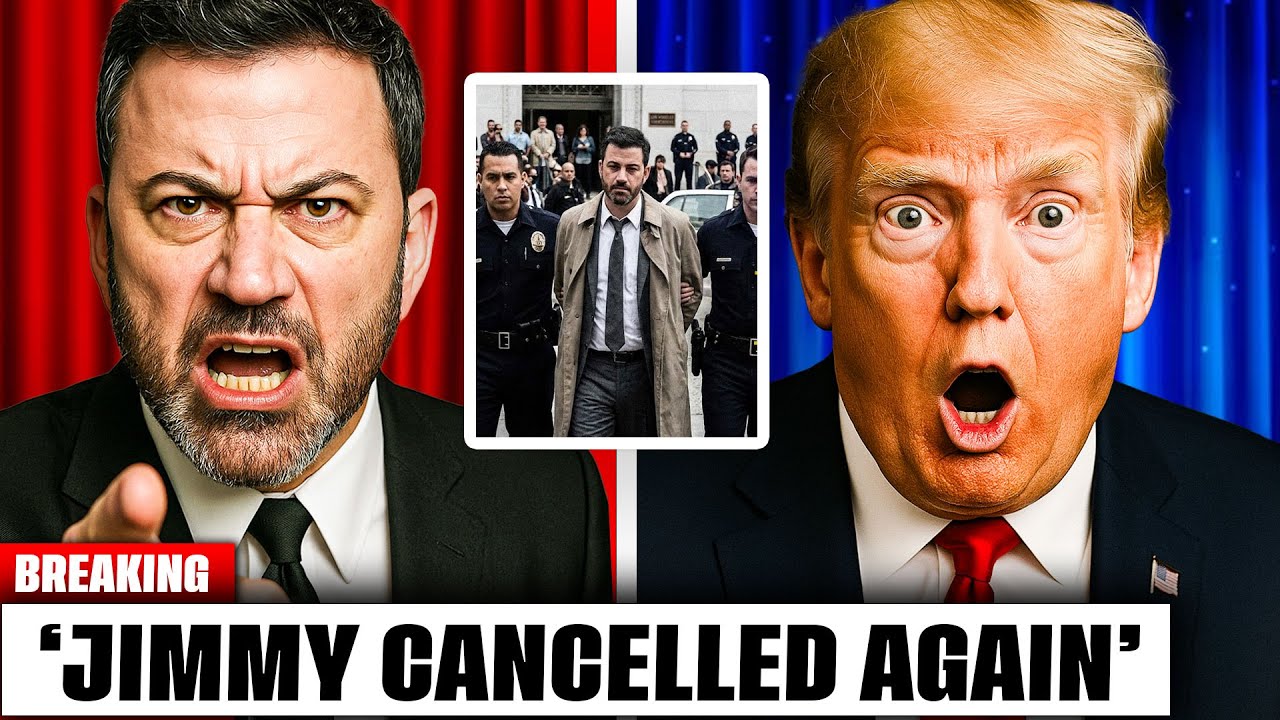
Late-night host Jimmy Kimmel wasted no time responding. On his show, Kimmel dismantled Trump’s speech line by line, calling out the racism, the hypocrisy, and the absurdity of selling immigration like a casino loyalty program. His monologue went viral, resonating far beyond comedy audiences and reigniting a national conversation mainstream political coverage often softens.
The clash exposed fractures inside Trump’s own orbit. Once-loyal ally Marjorie Taylor Greene publicly criticized him, accusing the Republican Party of being terrified of its own base and of Trump himself. Trump responded predictably, launching personal insults on social media, a reaction that only amplified perceptions of instability rather than strength.

As Trump lashed out, the contrast grew sharper. He continued insisting the economy deserved an “A++” grade while Americans faced high prices, stagnant wages, and tariff-driven cost increases. Even conservative voices quietly pushed back, acknowledging that affordability is a real and growing concern for voters across party lines.
The spectacle escalated when Trump attacked Kimmel over imaginary slights, including falsely accusing him of hosting events he never did. Kimmel’s response—equal parts humor and fact-checking—turned the feud into a case study of power struggling to handle satire. The irony deepened when ABC renewed Kimmel’s contract through 2027, even as Trump demanded his firing.
In the end, this was never just about jokes. It was about what happens when a president’s rhetoric collides with economic reality, public accountability, and cultural scrutiny. Trump tried to dominate the narrative, but instead handed his critics momentum. And as this episode showed, laughter, facts, and receipts may be far harder to silence than dissent itself.