DOJ Independence Under the Microscope: Why Sheldon Whitehouse’s Questions to Pam Bondi Set Off Alarms
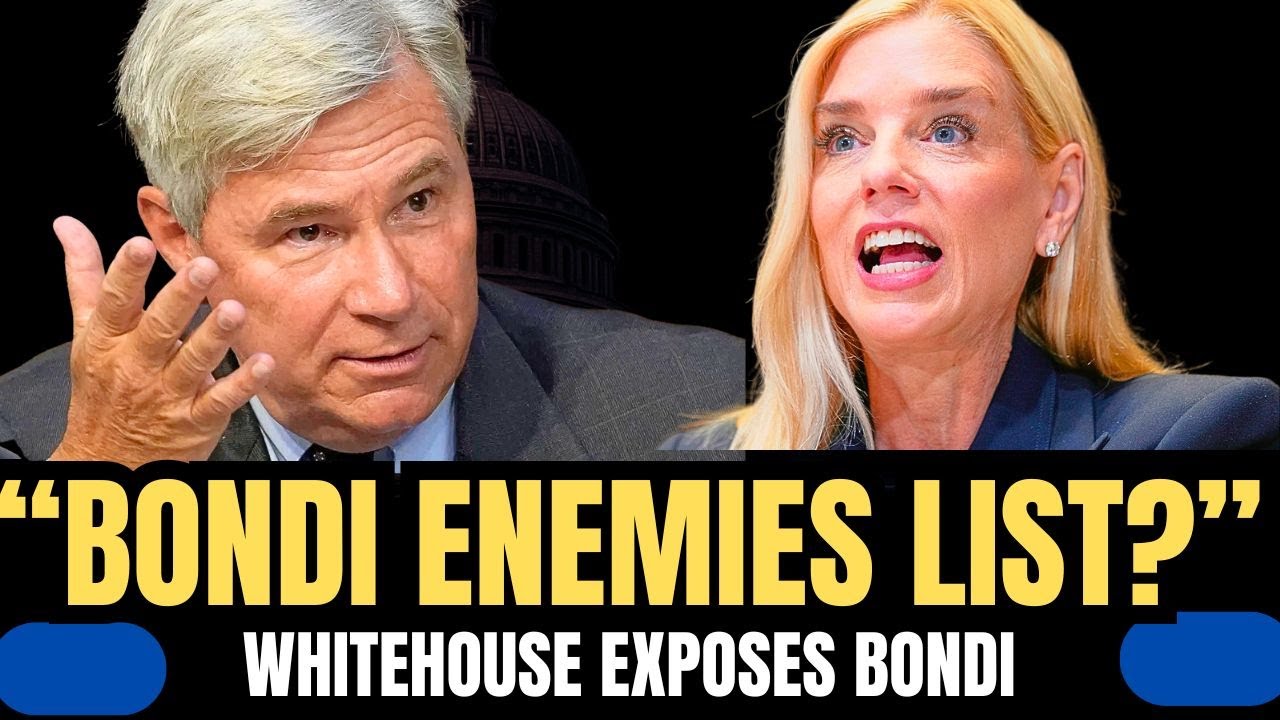
What appeared to be a routine confirmation hearing exchange quickly became a defining moment for the future of the Justice Department. Senator Sheldon Whitehouse’s questioning of attorney general nominee Pam Bondi cut to the core issue troubling legal experts: whether the DOJ will remain independent or slide toward political enforcement disguised as accountability.
Whitehouse opened with a blunt but deliberate line of inquiry about the idea of an “enemies list” inside the Justice Department. The concept is not hypothetical. History shows that when prosecutors begin targeting people rather than crimes, democratic institutions start to erode. Bondi denied ever keeping such a list and promised there would never be one at DOJ.
On the surface, her answers sounded reassuring. Bondi repeatedly emphasized that no one would be above the law and that justice would be applied evenly. But Whitehouse’s concern was never about slogans. It was about how discretion would be exercised once power is fully vested and public scrutiny fades.
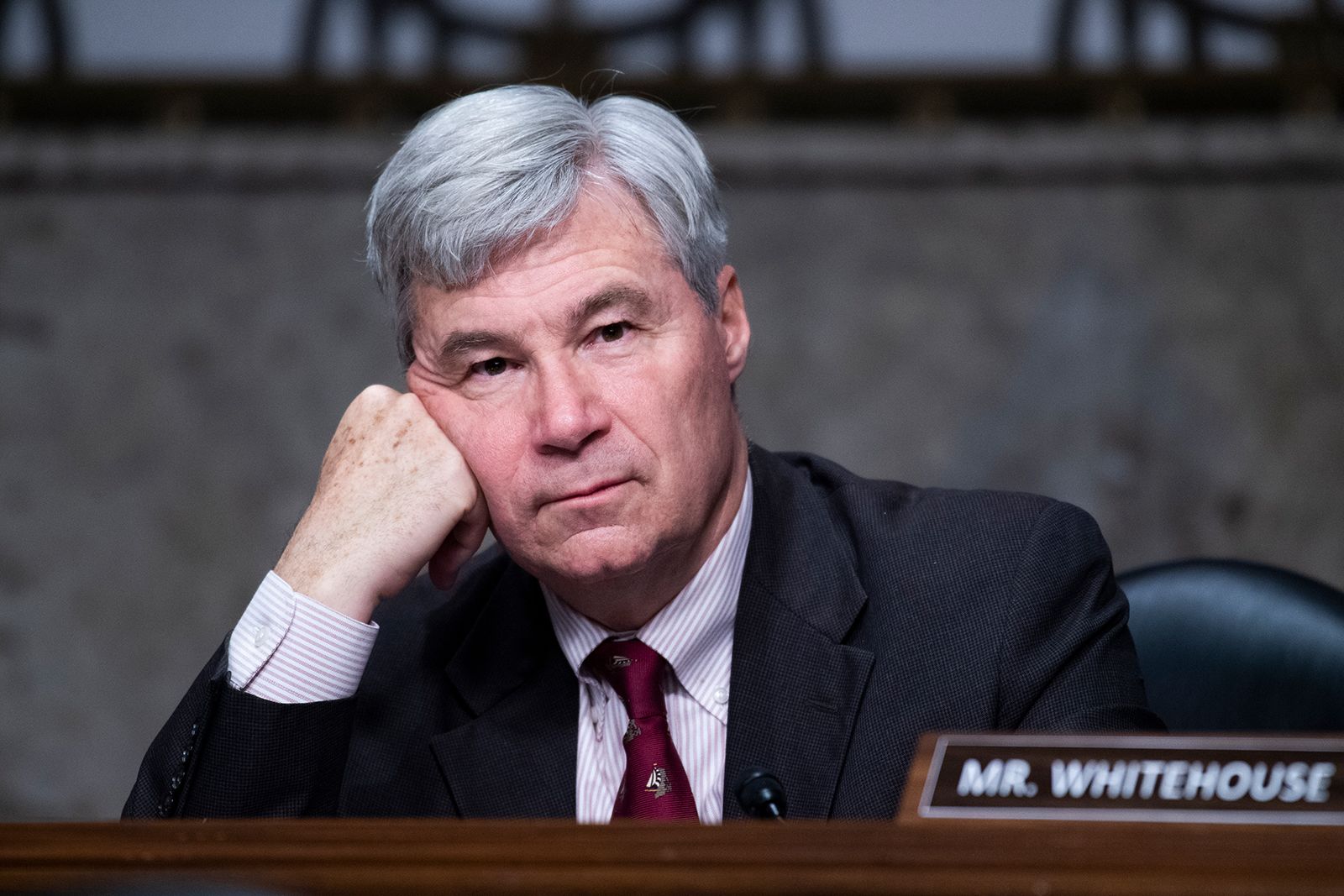
That tension became clearer when Bondi defended prior remarks about prosecuting DOJ prosecutors if they acted improperly. While legally accurate, Whitehouse underscored the danger of selective enforcement. Prosecutorial ethics demand starting with evidence of a crime, not with a person in search of wrongdoing. Crossing that line turns law enforcement into political retribution.
The exchange also raised alarms about press freedom. Bondi stated journalists would only be prosecuted if they committed crimes, a standard response that nevertheless carries risk. DOJ restraint toward journalists exists to prevent chilling investigative reporting, intimidating sources, and weakening public oversight. Ambiguity in this area can itself become a form of pressure.
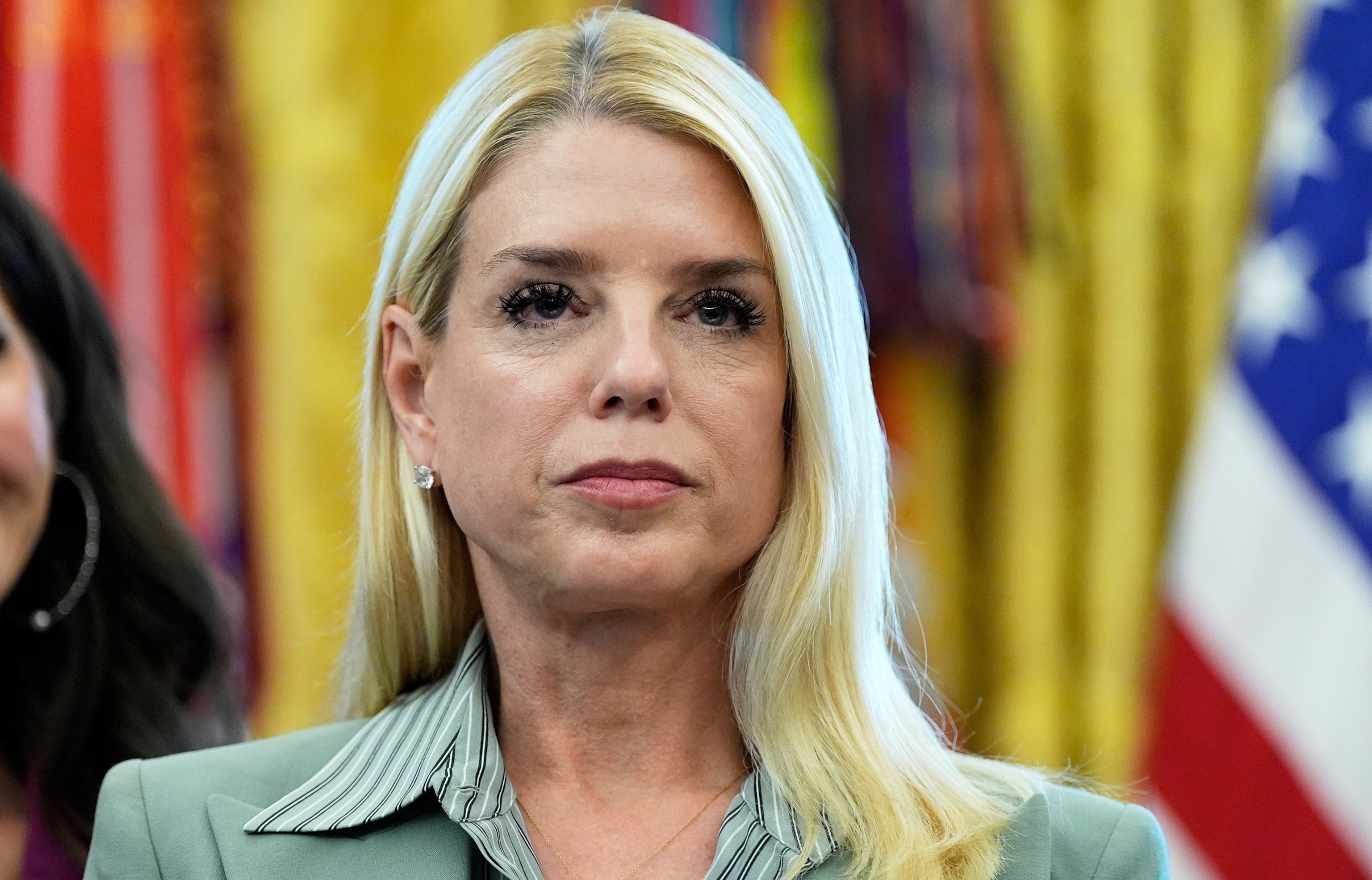
Perhaps the most consequential moment involved the long-standing DOJ–White House contacts policy. Designed to prevent political interference in investigations, the policy limits who can communicate and under what circumstances. Bondi pledged to follow it, but Whitehouse made clear the real test is whether she would tell a president no when the Constitution demands it.
What made the exchange significant was not hostility but precision. Whitehouse was not attacking Bondi’s character. He was building a public record, setting guardrails before authority is granted. These hearings exist precisely to ensure promises can later be measured against actions.
The deeper takeaway is structural, not personal. Power changes incentives, even for well-intentioned officials. That is why institutional norms matter more than individual assurances. Whitehouse’s questioning served as a warning signpost: an independent Justice Department survives only if its leaders defend it when political loyalty and the rule of law collide.