New Epstein Photos Drop, but the Real Evidence Remains Locked Away
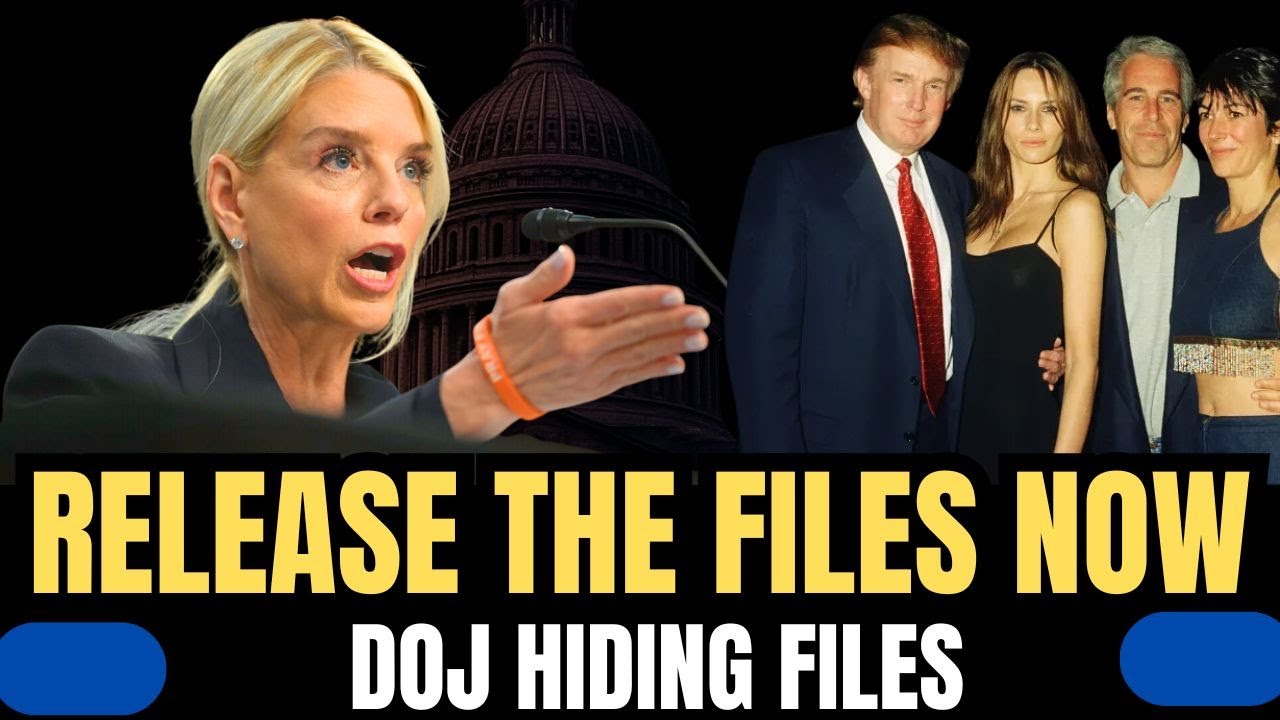
House Oversight Committee Democrats have released 92 new photos from Jeffrey Epstein’s estate, reigniting public attention around one of the most disturbing scandals in modern American history. The images show Epstein alongside powerful figures, including President Donald Trump, former President Bill Clinton, and other prominent political, business, and cultural elites. But while the photos are striking, they are not accountability—and that is the real story.
The newly released images come from a massive cache of roughly 95,000 files obtained from Epstein’s email account and laptop through his estate. Lawmakers stress that the release was carefully limited to avoid exposing victims or survivors. More photos may follow, but even supporters of transparency admit these visuals represent only a sliver of what actually exists.
Photos, however, answer very little. They show proximity, not conduct. Association, not intent. Without context—who sent them, why they were saved, whether they were attached to emails or tied to specific events—the images risk misleading the public as much as informing it. In legal terms, they are among the weakest forms of evidence.
That missing context is exactly what lawmakers say the Department of Justice is still withholding. According to members of the Oversight Committee, the DOJ possesses the most consequential materials: emails, witness interviews, internal memoranda, charging decisions, and possibly video evidence. Those records explain not just who Epstein knew, but what investigators knew—and when.
Congressman James Walkenshaw of Virginia has been blunt about where the real answers lie. The estate can provide photos, but the DOJ holds the official investigative files. Those files are already under subpoena, and lawmakers argue the department has not meaningfully complied. Under the Epstein Files Transparency Act, the deadline for full disclosure is approaching fast.
The concern is not just delay, but selective disclosure. When images are released without the underlying documentation, transparency starts to look performative. Accountability requires process: timelines, corroborated testimony, and explanations for why certain leads were pursued while others were abandoned. Without that, public trust continues to erode.
There is also a growing fear of politicization. Lawmakers warn that spotlighting some figures while withholding records tied to others creates the appearance of partisan filtering. Even if no crimes are ultimately proven, uneven transparency damages the credibility of the entire investigation.
For Epstein’s victims, partial releases are especially painful. Survivors were promised truth, not symbolism. Courts routinely allow redactions and anonymization to protect victims while still releasing substantive records. What they—and the public—are asking for is clarity: what exists, what is being withheld, and why.
The Epstein photos may grab headlines, but they are not the endgame. Accountability lives in documents, testimony, and official decisions—not image dumps. Until the Department of Justice releases the full record required by law, the most important evidence remains out of sight, and the central question remains unanswered: who is being protected, and why?