“Worst of the Worst”? Hearing Exposes ICE Arrests of Veterans’ Families, Green Card Holders, and U.S. Citizens
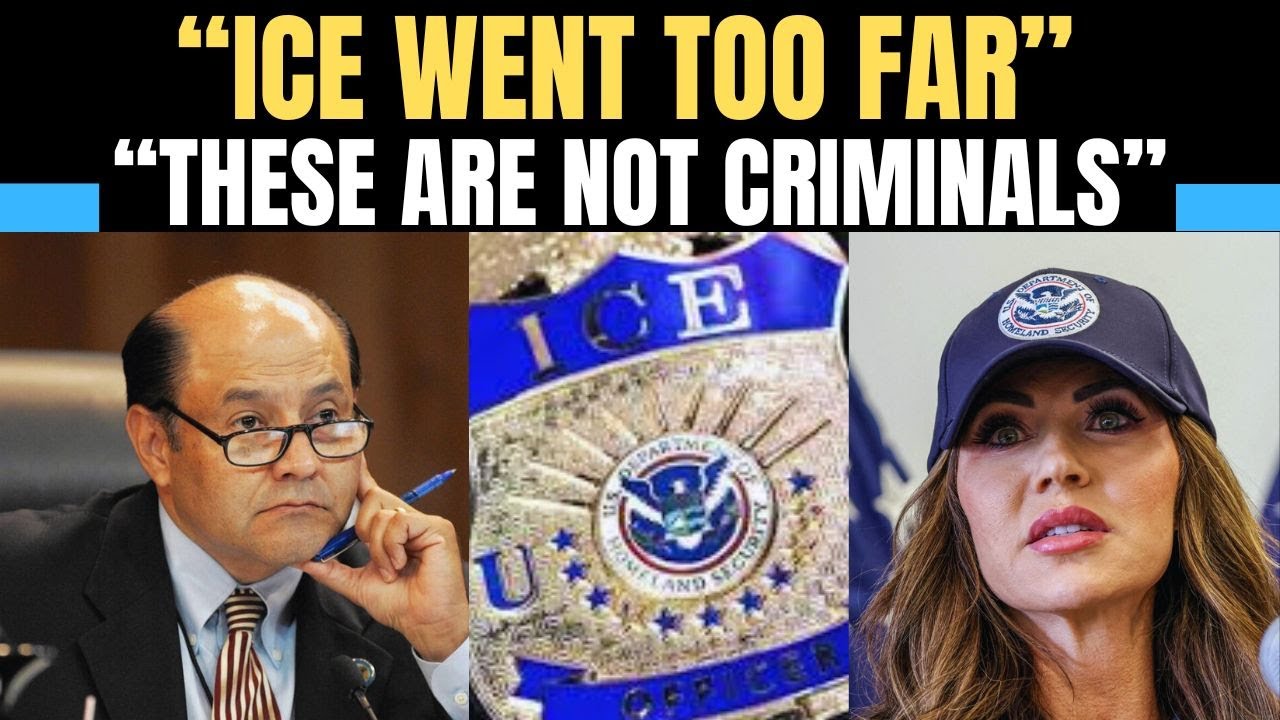
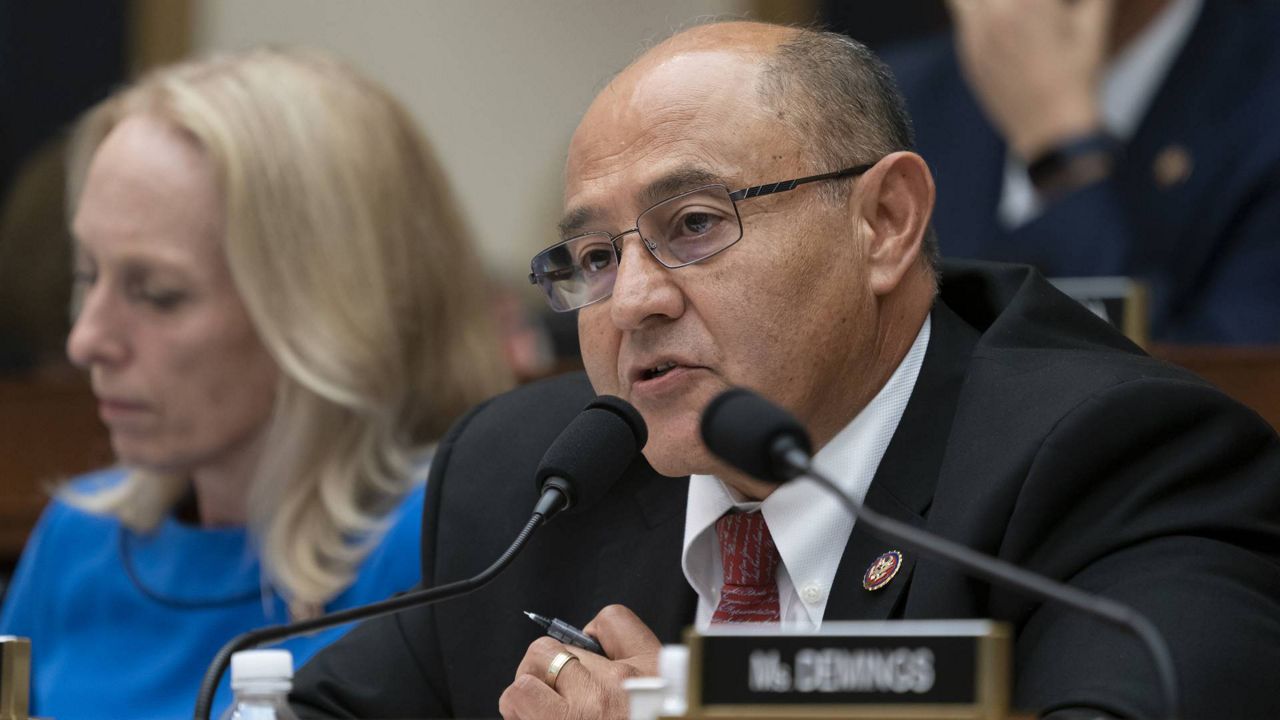
A tense congressional hearing ripped apart the Trump administration’s claim that immigration enforcement is focused solely on “the worst of the worst.” Lawmakers presented case after case showing ICE detentions targeting people with no criminal records — including U.S. citizens, lawful permanent residents, and parents of active-duty Marines.
At the center of the exchange was a stark statistic: roughly 70 percent of those arrested under the current enforcement push have no criminal history. That number alone contradicts repeated assurances from the administration that violent criminals are the priority, raising serious questions about how immigration discretion is being used.
One of the most striking examples was Donna Hughes Brown, an Irish citizen and green card holder who has lived in the United States for 48 years. She is the mother of a U.S. Marine and the sister of a retired Army colonel. Her offense: two bad checks totaling less than $80 written more than a decade ago. Despite that, she has been held in ICE detention since July.
Her husband, Jim Brown, a minister and longtime Trump voter, appeared on video saying he felt betrayed. He said he supported President Trump believing the promise was to remove dangerous criminals, not people like his wife who serve their community and raise military families. His testimony shifted the debate from partisan politics to broken trust.
Lawmakers then turned to video evidence showing the arrest of Narciso Barco, a landscaper who has lived in the U.S. for 30 years, has no criminal record, and is the father of three U.S. Marines. Footage shows masked agents pinning him to the ground and striking him before forcing him into an unmarked vehicle. DHS claimed Barco assaulted officers with a weed whacker, but video reviewed by media outlets does not show that happening.

The disconnect between official statements and video evidence intensified concerns about accountability. When enforcement narratives collapse under visual proof, oversight is no longer optional. It becomes essential to preserving public trust and the rule of law.
Perhaps most alarming was the case of George Ree, a U.S. citizen and Army veteran who served in Iraq. Ree was stopped at an internal immigration checkpoint in California, tear-gassed, pepper-sprayed, dragged from his car, and detained for 72 hours without charges. He was denied basic hygiene and due process despite being an American citizen.
This, lawmakers argued, is no longer just an immigration issue — it is a civil liberties crisis. When citizens and veterans can be swept up, abused, and held without charges, enforcement has crossed from public safety into unchecked power.
The hearing closed with a broader warning. As ICE and DHS divert massive resources toward high-volume immigration arrests, local law enforcement says efforts to combat child exploitation, trafficking, and violent crime are being sidelined. The message from lawmakers was clear: fear-based enforcement is not security, cruelty is not strategy, and a system that harms citizens and military families is a system in urgent need of accountability.