Unanswered Questions at FBI Hearing Spark Alarm Over Data Security and Accountability
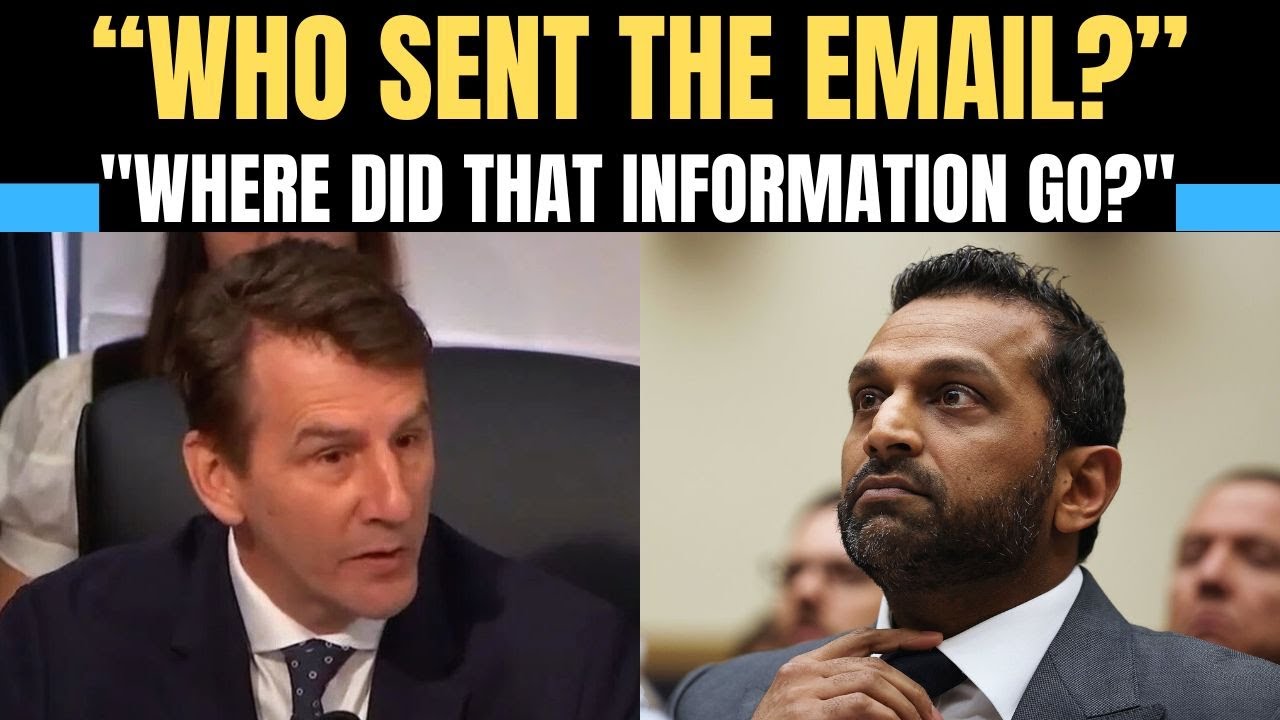
What began as a routine oversight hearing quickly turned tense when a basic question produced no clear answer: who sent an email to FBI agents asking them to report their weekly accomplishments, and where did that information go? The uncertainty that followed raised serious concerns about accountability and information security at the highest levels of government.
The exchange unfolded as a lawmaker from Indiana questioned FBI Director Patel about funding for High Intensity Drug Trafficking Area (HIDTA) task forces in his district, a region critical to national drug interdiction efforts near Chicago. Patel responded confidently, stressing the importance of keeping those task forces funded and operational through cooperation with state and local partners.

The hearing remained calm as the discussion shifted to the National Center for Missing and Exploited Children. Despite looming budget cuts, Patel pledged that the FBI would maintain staffing and support for the center’s cyber tip line, calling the mission essential and non-negotiable. Up to that point, the testimony followed a familiar oversight script.
The tone changed abruptly when the lawmaker raised reports of an email sent to FBI agents requesting weekly summaries of their accomplishments. Patel initially said the FBI never required such reporting. That answer immediately clashed with firsthand accounts from agents who believed they were under directive to comply.

Pressed further, Patel acknowledged that the email did reach FBI agents—but said it did not originate within the bureau. Instead, it came from a general account at the Department of Justice. That admission shifted the focus from misunderstanding to accountability: who authorized the request, and what safeguards were in place?
As questioning intensified, Patel insisted agents were told not to respond and supervisors were instructed to stand down. But when asked what happened to any information that may have been shared, Patel repeatedly said he did not know and would need to follow up. For a bureau handling classified investigations, that uncertainty was striking.
The lawmaker emphasized that this was not about embarrassment or politics. It was about protecting sensitive operational details and ensuring FBI agents are not placed at risk by unclear or conflicting directives. Even the perception that such information could be mishandled, he warned, is a serious red flag.
By the end of the exchange, the issue was no longer a single email. It was a broader concern about how directives move through powerful institutions faster than clarity or oversight. The unanswered questions underscored why congressional oversight exists—and why, when it comes to national security and law enforcement, uncertainty itself can become the headline.