By XAMXAM
WASHINGTON — Over the span of roughly 24 hours, a series of votes on Capitol Hill and in statehouses across the country laid bare a growing rift inside the Republican Party — one that goes far beyond routine disagreement and now threatens to reshape its direction ahead of the midterm elections.
To allies of former President Donald Trump, what unfolded looked less like legislative nuance and more like coordinated rebellion. To others, it was evidence that the party remains far from unified, even as it faces a high-stakes electoral cycle and mounting pressure from its own base.
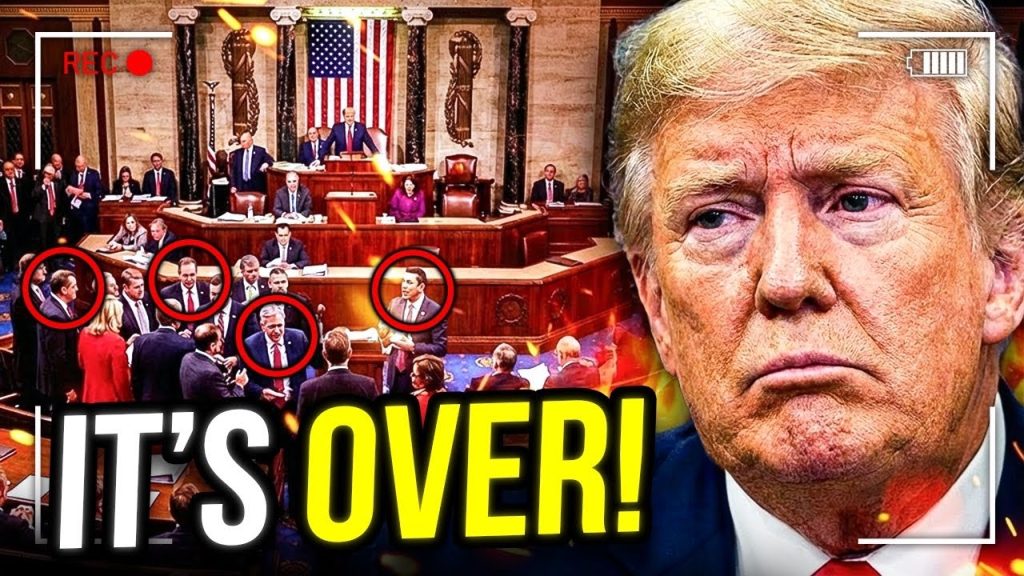
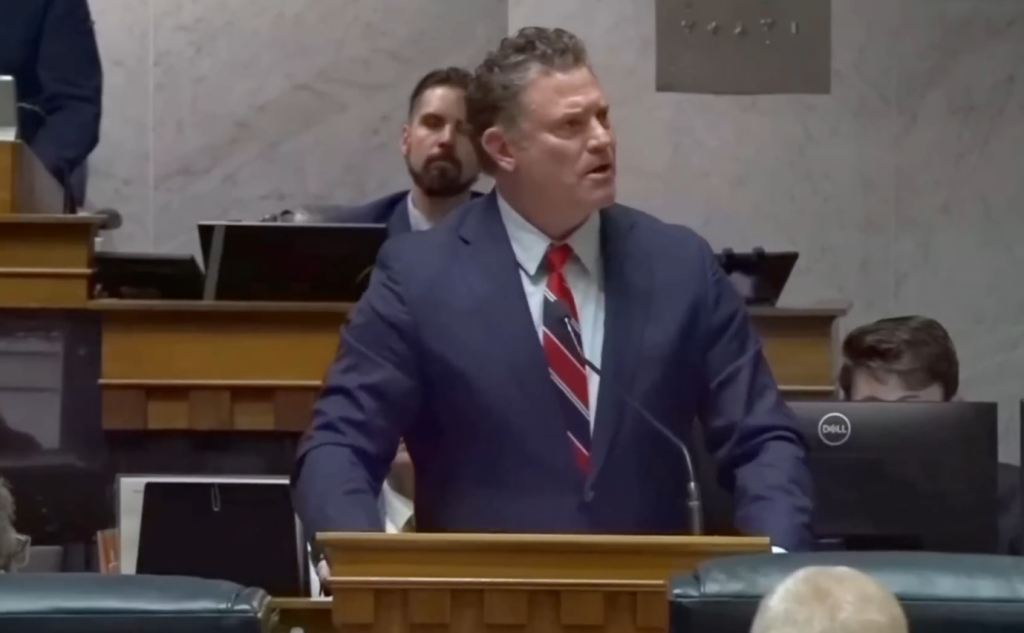
The cascade began in Indiana, where Republican state senators rejected a redistricting proposal that would have eliminated Democratic congressional seats entirely, producing a nine-to-zero Republican map. Supporters framed the plan as a defensive response to aggressive redistricting by Democrats in states like California. Opponents argued it crossed a line. The rejection stunned national Republicans, particularly because many of the senators who voted no represent districts Trump won decisively.
Within hours, Trump allies were openly calling for primary challenges, accusing the dissenters of sabotaging a strategic advantage that could have reshaped the House map. The episode underscored a central tension: whether winning justifies maximal political tactics, or whether there are limits even in an era of hyper-partisanship.
The Indiana vote was only the beginning.
Later that same day, the U.S. House advanced legislation to overturn a Trump-era executive order restricting collective bargaining rights for federal employee unions. The bill passed only because 13 Republicans broke with party leadership and voted with Democrats. Supporters of the executive order warned that federal unions wield outsized influence, slow national security reforms, and operate as a political arm of the Democratic Party. Those who crossed the aisle countered that the measure went too far and undermined worker protections.
The symbolism was unmistakable. At a moment when Republicans are campaigning on shrinking government and reining in bureaucracy, a bloc of GOP lawmakers sided with unions long viewed by conservatives as institutional adversaries. The backlash was immediate and furious, with conservative commentators accusing the defectors of political malpractice.
Then came the Senate.
A Republican-backed proposal aimed at redirecting Affordable Care Act subsidy funds directly to individuals through health savings-style accounts failed, falling short by three votes. All Democrats opposed it. One Republican joined them: Senator Rand Paul of Kentucky. Paul argued that the proposal did not go far enough in dismantling the Affordable Care Act. Critics countered that, whatever his intentions, the vote handed leverage to Democrats who favor expanding, not shrinking, the law.
The result was a paradox that captured the day’s confusion. A libertarian senator seeking to gut Obamacare helped block a plan designed to weaken it — aligning, tactically, with the very side he opposes.
Taken together, the votes revealed a party struggling to reconcile ideological purity, strategic calculation, and loyalty to Trump’s agenda. For Trump’s supporters, the pattern suggested something darker: a coordinated resistance from within, often labeled “RINOs,” undermining priorities backed by the party’s most influential figure.
Party leaders and strategists caution against that interpretation. They note that redistricting, labor law, and health policy each raise distinct concerns, and that dissent does not necessarily equal disloyalty. But the speed and concentration of the defections made that defense harder to sustain.
The political consequences could be swift. Trump-aligned groups have already signaled plans to fund primary challenges against lawmakers who broke ranks. In safe Republican districts, the threat is real. In swing districts, it carries risk — pushing candidates further right in contests where moderation may still matter.
Beyond the personalities and accusations lies a deeper question about the GOP’s identity. Is it a party organized around Trump’s vision, demanding near-total alignment? Or is it a coalition still negotiating how much independence its members can exercise without being branded traitors?
For voters, the episode offered an unusually clear glimpse into internal mechanics usually hidden behind closed doors. The disagreements were not about rhetoric but about power: who controls maps, who controls labor, who controls the future of health care spending.
What made the moment especially volatile was its timing. With midterms approaching, unity is typically prized. Instead, Republicans found themselves publicly divided, with grievances aired in real time and threats of political retribution openly discussed.
Democrats, meanwhile, watched from the sidelines as GOP fractures widened — occasionally benefiting directly from them.
Whether this moment becomes a turning point or fades into the churn of Washington depends on what comes next. If primary battles erupt nationwide, the party could emerge either more ideologically cohesive or significantly weakened. If compromise prevails, the base backlash could deepen.
What is certain is that something important was exposed. The votes were not leaks in the traditional sense, but they revealed a truth many Republicans have tried to manage quietly: the party is no longer arguing only with Democrats. It is increasingly at war with itself.
And in modern American politics, internal wars rarely stay contained for long.