TPS for Venezuelans on the Line as Castro Presses Rubio
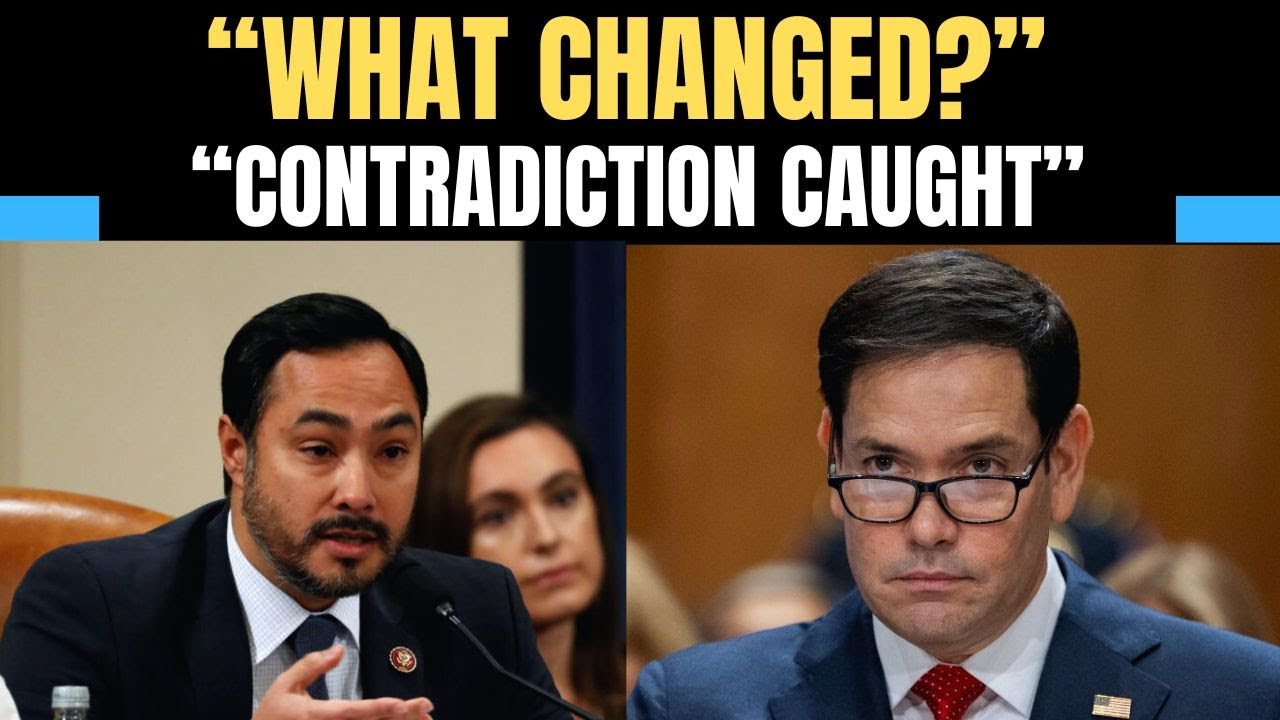
WASHINGTON — A pointed exchange at a congressional hearing this week laid bare a central tension in the administration’s immigration policy, as Joaquin Castro pressed Secretary of State Marco Rubio over the decision to end humanitarian protections for hundreds of thousands of Venezuelans — using Mr. Rubio’s own past warnings as evidence of a profound reversal.
The policy at issue is the termination of Temporary Protected Status, or TPS, for Venezuelans, a program that allows people fleeing extraordinary conditions — war, dictatorship or environmental catastrophe — to live and work legally in the United States. On Feb. 5, the Department of Homeland Security announced that it would rescind the designation, potentially affecting roughly 350,000 people who have relied on the protection to build lives in American communities.
Mr. Castro began his questioning with an unusual note of respect, calling Mr. Rubio the most qualified member of the cabinet and invoking the parallel immigrant histories that shaped both men. Mr. Castro recounted his grandmother’s arrival in Texas as a young orphan after the Mexican Revolution, while Mr. Rubio has frequently spoken of his parents’ flight from Cuba in the 1950s. The stories, Mr. Castro suggested, reflected a shared American tradition: families escaping upheaval in search of safety and opportunity.
That framing set the stage for the confrontation. Mr. Castro contrasted those histories with what he described as today’s enforcement-first approach, recounting recent cases in which families were separated and even U.S. citizens were caught up in harsh immigration actions. He then turned directly to Venezuela and the administration’s justification for ending TPS, which cited “notable improvements” in the country’s economy, public health and crime.
Just a few years earlier, Mr. Castro noted, Mr. Rubio had warned that failing to renew TPS for Venezuelans would amount to “a very real death sentence” for people fleeing the regime of Nicolás Maduro. What, Mr. Castro asked, had changed?
Mr. Rubio did not dispute that Venezuela remained dangerous or that Mr. Maduro’s government was widely condemned. Instead, he offered a structural critique of TPS itself. The program, he argued, had become a form of blanket protection that extended to some people who should never have been admitted, regardless of country of origin. TPS, he emphasized, was meant to be temporary, yet in practice rarely ended.
“The overwhelming majority are not gang members,” Mr. Rubio acknowledged, responding to Mr. Castro’s challenge. But even a small number of criminals, he said, posed an unacceptable risk.
For Mr. Castro, that argument missed the point. He countered that the presence of a small number of offenders did not justify stripping legal protections from hundreds of thousands of law-abiding people who had followed the rules and relied on the government’s assurances. Americans, he said, are not collectively punished for the crimes of a few; immigrants should not be either.
The exchange illuminated a broader policy dilemma. Ending TPS does not automatically deport its recipients, but it does strip them of work authorization and legal stability, pushing many into an already overwhelmed asylum system. While Mr. Rubio suggested that Venezuelans could pursue asylum claims, critics note that the system is backlogged and under-resourced, leaving applicants in legal limbo for years.

Beyond the procedural questions, the hearing underscored a moral one. TPS has long been framed as a promise: that the United States will not force people to return to countries facing extraordinary danger. During the Cold War, similar protections were extended to hundreds of thousands of Cubans — a history that loomed over the hearing given Mr. Rubio’s own family story.
Mr. Rubio did not deny his past statement calling the end of TPS a “death sentence.” Instead, he reframed the issue in bureaucratic terms, emphasizing vetting failures under previous administrations and the need for more individualized screening. To supporters of the policy change, the move represents a return to stricter enforcement and an attempt to close what they see as an open-ended program.
To critics, including Mr. Castro, it represents collective punishment and a retreat from humanitarian principles at a moment when conditions in Venezuela remain dire. The congressman’s closing point lingered after his time expired: if returning Venezuelans to their country was too dangerous then, why is it acceptable now?
The hearing offered no definitive answer. But in placing Mr. Rubio’s past words alongside the administration’s current actions, it captured a central contradiction in the immigration debate — between caution born of experience and policies shaped by political urgency. For the hundreds of thousands of Venezuelans whose futures hinge on that distinction, the question remains unresolved.