🚨Pam Bondi Just Got The WORST NEWS About Her JOB!
Washington — Attorney General Pam Bondi is facing mounting scrutiny from lawmakers and the courts as pressure intensifies over the Justice Department’s handling of records connected to Jeffrey Epstein, the disgraced financier whose case continues to reverberate through American politics years after his death.

The controversy stems from the department’s review of Epstein-related materials and its decision earlier this year to limit further public disclosure. That position has drawn sharp criticism from members of both parties in Congress, as well as skepticism from federal judges overseeing transparency and compliance matters.
The dispute traces back to a series of public statements and internal briefings in which Ms. Bondi suggested that a list of Epstein’s associates was under review and subject to release. In subsequent months, however, the Justice Department shifted course, concluding in a July memorandum that “no further disclosure would be appropriate or warranted.” The reversal fueled accusations that the department was attempting to close the matter prematurely.
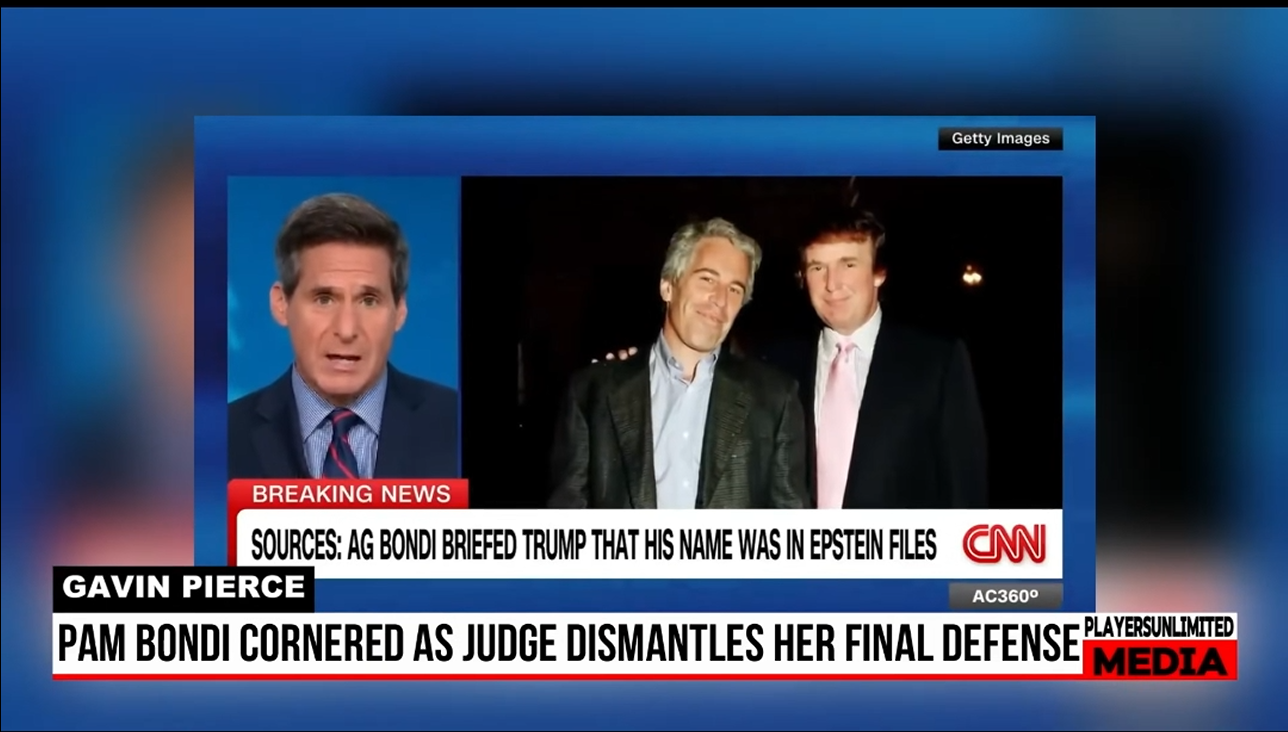
According to reporting by The Wall Street Journal, Ms. Bondi briefed Donald Trump earlier this year on the contents of the Epstein files, including references that were deemed unsubstantiated or not credible. The department later emphasized that such references did not constitute evidence of wrongdoing. Still, critics argue that the process lacked transparency and raised questions about political influence.
Those concerns have escalated following recent court proceedings in which a federal judge sharply questioned the Justice Department’s compliance with disclosure obligations. Lawmakers say Ms. Bondi’s department failed to adequately justify delays and redactions, prompting warnings that continued noncompliance could expose senior officials to legal consequences.
On Thursday, bipartisan unease surfaced publicly when Representative Thomas Massie, a Republican from Kentucky, told reporters that the law governing the release of the Epstein materials leaves little room for discretion. If the Justice Department fails to comply, he said, future officials could face prosecution for obstruction or contempt.
“This is a law that lasts forever,” Mr. Massie said, emphasizing that the statute applies regardless of who holds office. He added that the officials currently tasked with reviewing the files are not themselves implicated, undercutting any argument for withholding them.
Representative Robert Garcia, a Democrat from California, echoed those concerns, warning that the Justice Department cannot cite ongoing investigations as a basis for partial disclosure. “They have to release everything,” he said, adding that Democrats are prepared to pursue court action if necessary.
The dispute has also placed Mike Johnson under pressure. Mr. Massie accused the speaker of mischaracterizing the scope of the legislation by suggesting that victims’ identities would be exposed. Federal judges reviewing the matter have rejected that claim, finding that existing safeguards are sufficient to protect victims’ privacy.
At the center of the legal tension is the possibility that Ms. Bondi herself could be compelled to testify if the department fails to meet court-imposed deadlines. Legal experts say such a scenario would be highly unusual for a sitting attorney general and would signal a serious breakdown in relations between the executive branch and the judiciary.
The stakes are heightened by the absence of a statute of limitations for certain offenses related to obstruction or contempt. That reality has led some lawmakers to note that any potential accountability could extend well beyond the current administration.
The Justice Department has defended its actions by arguing that indiscriminate release of materials could compromise privacy, due process, and the integrity of prior reviews. Officials have also maintained that many of the claims contained in the Epstein files were unverified or demonstrably false.
Nevertheless, the political fallout has continued to grow. The Epstein case, long a symbol of elite impunity and institutional failure, remains deeply sensitive for the public. Any perception that the department is shielding powerful figures risks further eroding trust in federal law enforcement.
As a court-ordered deadline for additional disclosures approaches, Ms. Bondi finds herself under rare and sustained pressure from Congress, the courts, and the media simultaneously. Whether the department complies fully — or faces deeper legal consequences — could shape not only her tenure, but also the broader debate over transparency, accountability, and the limits of executive discretion at the Justice Department.
For now, the outcome remains uncertain. But the message from lawmakers has been unmistakable: the handling of the Epstein files is no longer an internal matter — and the consequences of delay may be lasting.