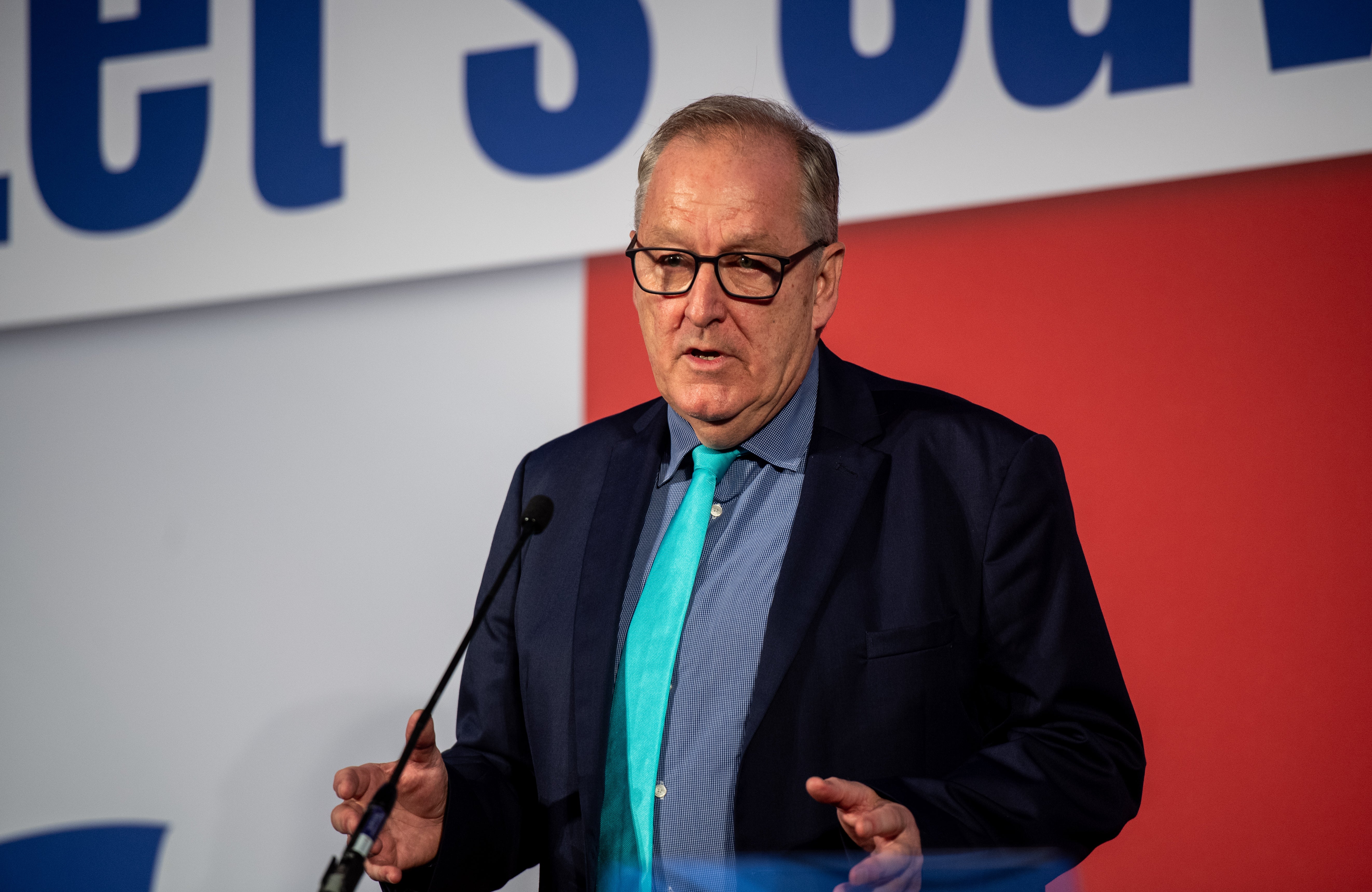
For four unfiltered minutes inside City Hall, London politics briefly shed its usual choreography. There were no rehearsed soundbites, no friendly interviewers, and no opportunity to reset the narrative. Instead, Sadiq Khan, the Mayor of London, stood before ordinary residents and absorbed a barrage of anger that has been quietly building across the capital for years.
The exchange, recorded during a public question session, quickly turned confrontational. Speaker after speaker challenged Khan on crime, cost-of-living pressures, air quality policies, and — most sharply — responsibility. One accusation cut through the chamber: that the mayor repeatedly deflected blame to central government while avoiding accountability for decisions made under his own authority.
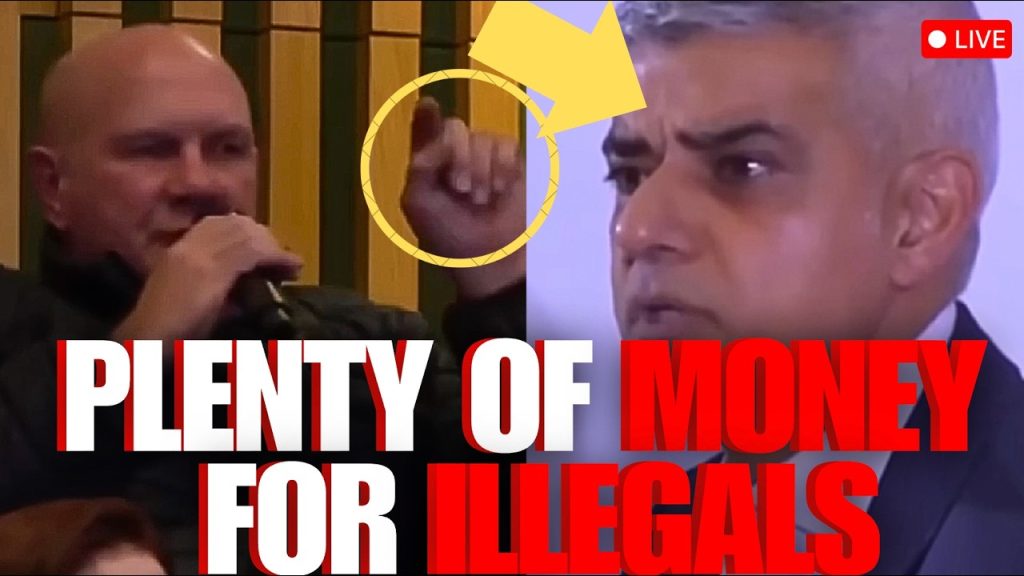
At the heart of the frustration was public safety. Residents cited rising theft, robbery, sexual offences and knife crime, painting a picture of a city where fear has become normalised. “We do not feel safe on the streets of London,” one voice declared, drawing nods and murmurs of agreement across the room. The criticism carried a pointed reminder: operational control of the Metropolitan Police ultimately sits with the mayor’s office.
That reminder sharpened the atmosphere. When Khan attempted to contextualise crime trends or redirect responsibility, interruptions followed. Apologies were demanded. Explanations were dismissed. For many in the room, the debate was no longer about statistics but lived experience — stolen phones, violent encounters, and a growing reluctance to travel at night.
Another flashpoint was transport and environmental policy, particularly the expansion of the Ultra Low Emission Zone (ULEZ). Several residents described severe financial strain, including carers and lower-income drivers now paying thousands of pounds annually to move around or beyond the capital. One speaker accused City Hall of disguising a revenue-raising measure as a public health intervention, claiming the policy was quietly propping up Transport for London’s finances.
Khan rejected that framing, insisting the policy was driven by expert advice on air quality. He cited medical evidence linking pollution to premature deaths — around 4,000 annually — and long-term harm to children’s lung development. He also referenced increased risks of asthma, cancer and dementia. These points, familiar from previous mayoral briefings, failed to calm the room.
Critics seized on what they saw as inconsistency. While Khan stressed environmental dangers from road traffic, residents questioned why pollution levels in the Underground — reportedly far higher — had received comparatively little attention. The exchange underscored a broader complaint: that policy priorities appear detached from everyday realities faced by commuters and families.
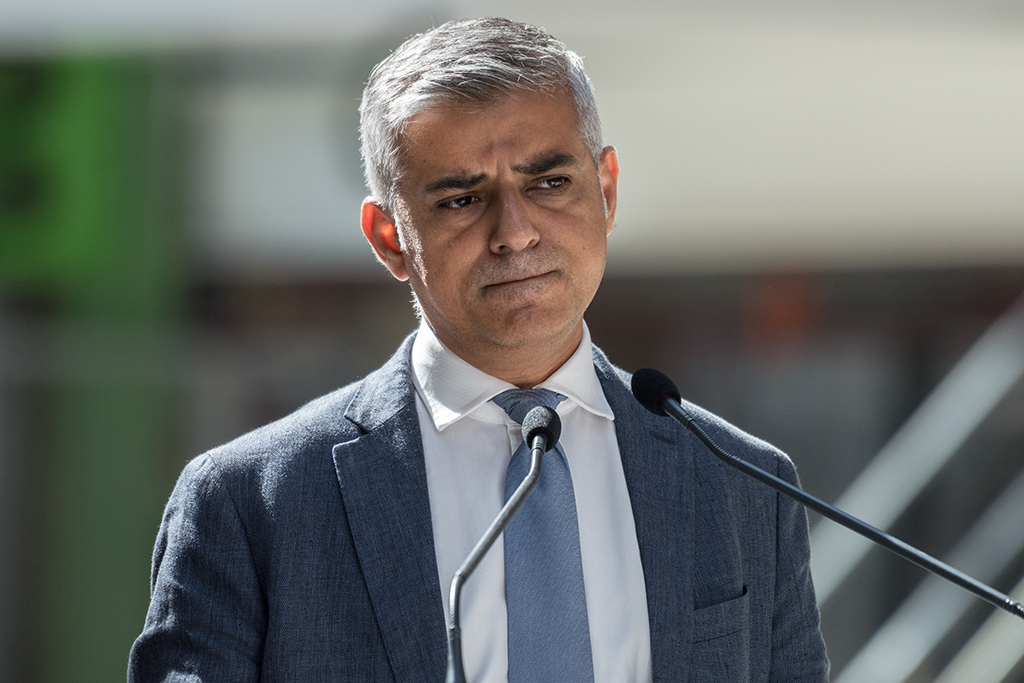
Perhaps the most damaging aspect of the encounter was not any single policy dispute, but the collapse of trust on display. Several participants openly accused the mayor of lying or deliberately avoiding direct answers. Others pointed to past public statements and social media posts that, in their view, misrepresented genuine concerns raised at similar meetings. Each interruption, each raised voice, reinforced the sense that dialogue had broken down.
Khan, for his part, attempted to maintain composure, repeatedly appealing to expert guidance and long-term strategy. Yet the format offered him little room to regain control. Without the buffer of a controlled press conference, every pause and deflection was amplified. The crowd’s reaction — impatient, sceptical, occasionally hostile — became part of the message.
The setting itself added to the symbolism. Inside City Hall, a building designed to embody transparency and civic engagement, the mayor struggled to persuade his own constituents that they were being heard. What was intended as democratic accountability began to resemble an indictment of leadership fatigue.
Within hours, clips of the confrontation circulated widely online, framed by supporters as overdue scrutiny and by critics as proof of political ambush. But stripped of commentary, the footage reveals something more fundamental: a widening gap between London’s governing class and sections of the public who feel excluded from decision-making that directly shapes their lives.
Four minutes is not long in political terms. It does not overturn elections or rewrite policy overnight. Yet moments like this linger because they capture emotion more powerfully than manifestos ever could. In that chamber, the statistics collided with lived experience — and the collision left visible damage.
Whether City Hall absorbs the warning or dismisses it as noise remains to be seen. What is clear is that for many Londoners, those four minutes crystallised a belief that the capital’s leadership is no longer speaking the same language as the people it governs.