In the final days of the year, a brief but striking on-air exchange from CNN anchor Abby Phillip has unexpectedly reanimated one of the most politically charged narratives surrounding former President Donald J. Trump. During a discussion on a recently resurfaced video clip, Phillip appeared to acknowledge that Trump’s longstanding claim—that he once barred financier Jeffrey Epstein from Mar-a-Lago—was reflected in the clip under review. Though her remarks were narrow in scope and did not confirm the veracity of Trump’s broader story, they ricocheted across partisan media ecosystems within hours.
What might have been a fleeting moment became, through repetition online, the center of a sharp collision between political messaging, public memory, and the unresolved gaps in the Epstein public record. And while the exchange does not meaningfully expand what is known about Trump’s historical relationship with Epstein—one of America’s most notorious offenders—it has reopened a debate that both allies and critics have long treated as a proxy for a larger question: who controls the narrative when factual ambiguities meet political incentives.
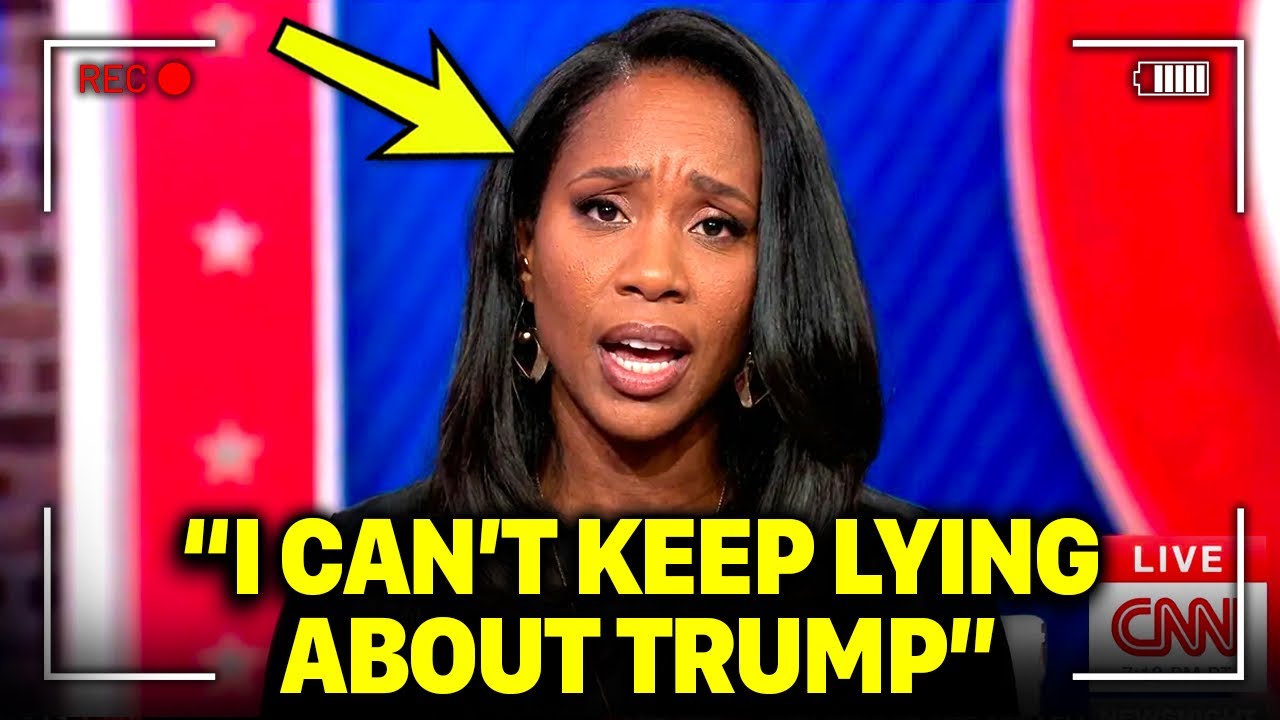
Within minutes of the segment airing, conservative commentators framed Phillip’s acknowledgment as a rare concession from a mainstream news anchor. Progressive critics countered that the reaction was disproportionate, noting that the clip at issue did not authenticate Trump’s broader account and that the anchor had simply referenced what appeared in the specific video she was describing. The resulting dispute was less about Epstein himself and more about the political meaning attributed to a single sentence spoken on cable news.
The intensity of the response reflects how deeply the Epstein narrative has remained embedded in American political discourse, even years after the financier’s death. Epstein’s social circles intersected with figures across industries and political parties, fueling endless speculation and partisan insinuation. For Trump, the subject has been especially radioactive: his past social interactions with Epstein, photographs showing them together at events, and contradictory public comments have varied widely over time. Trump has repeatedly claimed that he expelled Epstein from Mar-a-Lago, a story he has used to distinguish himself from others with ties to the disgraced financier. To date, publicly available records have not produced a definitive verification of the claim, nor disqualified it outright.
It is into this vacuum that Phillip’s remarks entered—an information space primed to interpret even minor signals as definitive breakthroughs. Her brief acknowledgment was immediately clipped, reframed, and circulated with captions that suggested CNN had “confirmed” a key Trump narrative. By the end of the day, the online conversation had diverged entirely from the original context, a phenomenon familiar to media researchers studying the velocity of political information.
Democrats, meanwhile, expressed frustration that the debate was overshadowing ongoing policy fights and the early contours of the upcoming presidential campaign. Several party strategists privately argued that the speed with which the narrative spread demonstrated the vulnerability of institutions—including news networks—to serve as accelerants for stories that benefit from ambiguity. “The political environment rewards fragments, not facts,” one longtime adviser said. “Moments like this become raw material for whatever story people already want to believe.”
Republican lawmakers seized the moment to renew criticism of the media’s handling of Trump-era stories, pointing to Phillip’s statement as proof of what they describe as years of selective skepticism. Some GOP operatives circulated the clip on fundraising platforms, framing it as evidence that mainstream journalism had been forced to “admit” a narrative long dismissed. Whether this interpretation survives closer scrutiny may matter less than the fundraising and mobilization potential the moment represents.
For media analysts, the episode illustrates the enduring challenge of covering political figures whose public statements exist in contested spaces. Trump’s narratives often blend verifiable events, ambiguous details, and unverifiable assertions, creating a dynamic in which any perceived corroboration—however limited—can become politically consequential. The role of journalists in these moments is not simply to adjudicate facts, but to contextualize them within a wider landscape where misinformation, disinformation, and partisan framing operate side by side.
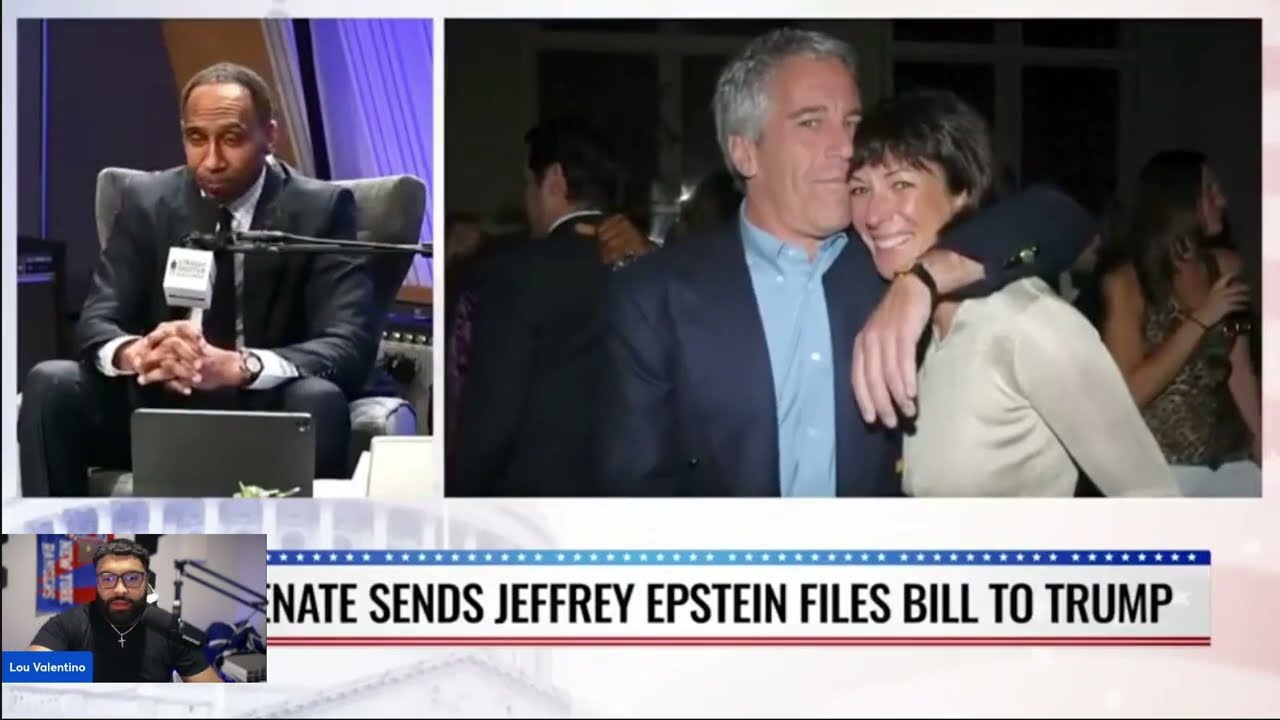
Legal scholars also noted that the resurfacing of the Epstein issue arrives at a sensitive time, as federal courts continue to manage the release of certain archival materials and civil litigants pursue claims related to Epstein’s network. None of these ongoing matters directly involve Trump, but the high-profile nature of the Epstein case ensures that any mention—particularly one tied to a political figure—generates disproportionate public attention.
As the story circulates across platforms, the original on-air exchange has become almost secondary to the reaction it produced. What remains is a debate less about Abby Phillip or CNN, and more about a media and political ecosystem where a single sentence can activate entrenched suspicions, inflame partisan tensions, and revive unresolved controversies that might otherwise remain dormant.
Whether the moment will meaningfully alter public perceptions of Trump is unclear. But the episode highlights a fundamental reality of the current political environment: contested narratives, once reawakened, rarely return to dormancy. And as long as ambiguity surrounds the historical record, even the smallest spark can set off a wave of political repercussions far beyond its original intent.