By XAMXAM
For years, the unsolved pipe bomb planted near the Democratic and Republican National Committee headquarters on the eve of January 6 has loomed as one of the most disturbing loose ends in the attack on the U.S. Capitol. When federal prosecutors finally announced an arrest this month, it appeared to mark a long-awaited breakthrough—one that could reinforce the broader legal reckoning tied to that day. Instead, the moment has quickly become something else: a cautionary tale about how procedure, timing, and prosecutorial judgment can reshape the fate of even the most sensitive cases.
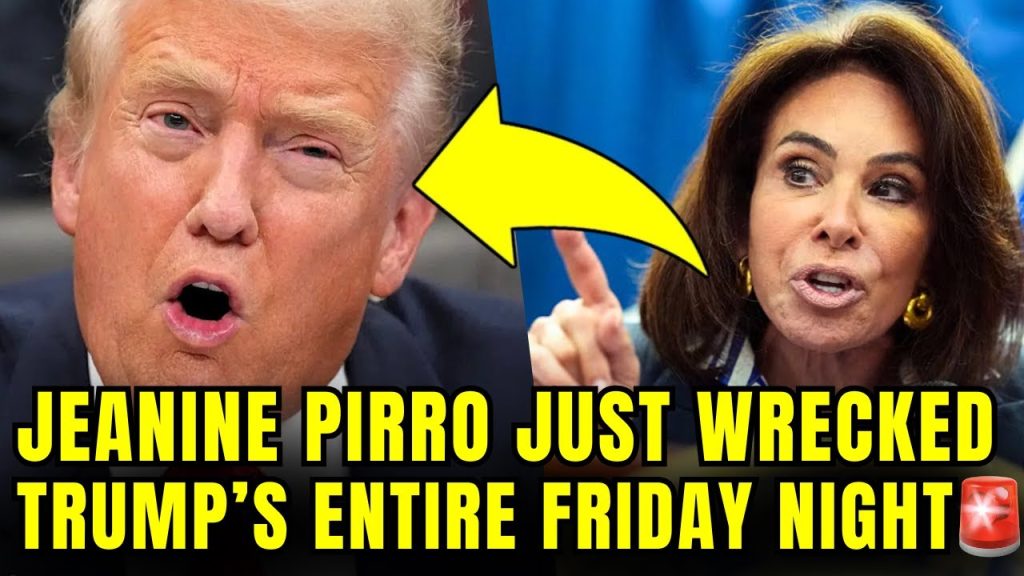
At the center of the controversy is Jeanine Pirro, the former Fox News host turned U.S. attorney in Washington. Known for her combative style and high-profile rhetoric, Pirro has built a public persona that prizes forcefulness and speed. Critics now argue that those same instincts may have undermined a case that demanded patience and precision.
According to court filings and commentary from legal analysts, the arrest of a Virginia man accused of planting the pipe bombs has been complicated by questions over how prosecutors handled key procedural steps. The concern is not the evidence itself, which appears substantial, but whether deadlines were missed or safeguards overlooked—errors that could give defense attorneys an opening on appeal. In federal court, such missteps can prove costly, regardless of the underlying facts.
The stakes extend far beyond one prosecution. The pipe bomb case sits at a symbolic crossroads of January 6 accountability, intersecting with questions about coordination, intent, and the broader climate of political violence. Any unraveling of the case would reverberate through the already polarized debate over how the events of that day should be remembered and judged.
For Donald Trump, the implications are particularly acute. Trump has long sought to distance himself from the most extreme elements associated with January 6 while casting investigations into the attack as politically motivated. A collapse—or even a prolonged legal fight—over one of the most serious charges connected to that period would hand his allies fresh talking points and deepen skepticism among his critics.
Legal experts point out that Pirro’s tenure has already drawn scrutiny for aggressive charging decisions that later had to be scaled back. In several protest-related cases, judges criticized prosecutors for overreach, reinforcing concerns that headline-driven strategies can clash with the slower, methodical demands of federal law. In national security cases especially, courts expect strict adherence to procedure, precisely because the consequences are so high.
The episode highlights a broader tension within the Justice Department during politically charged moments. Prosecutors are under pressure from all sides: from the public demanding accountability, from political actors eager to shape narratives, and from institutional norms that insist on restraint. When those pressures collide, even experienced lawyers can stumble.
Supporters of Pirro argue that focusing on procedural questions risks obscuring the larger achievement of identifying a suspect after years of uncertainty. They note that complex cases often involve legal skirmishes and that appeals are a routine part of the process. Yet critics counter that in a case this consequential, “routine” is not good enough. The margin for error is slim, and the cost of a mistake is measured not just in verdicts, but in public trust.
That trust has already been strained. Polls consistently show that Americans hold sharply divided views about January 6 investigations, with confidence in institutions closely tracking partisan identity. A high-profile prosecutorial failure would only deepen cynicism, reinforcing the belief that accountability depends on politics rather than law.
What makes the situation particularly fraught is the timing. As the country edges closer to another election cycle, every development connected to January 6 is filtered through an electoral lens. Prosecutors insist they operate independently of politics, but their actions inevitably carry political consequences—especially when they involve figures as polarizing as Trump and as visible as Pirro.
In the end, the controversy serves as a reminder of an old legal truth: process matters. The legitimacy of the justice system rests not only on outcomes, but on how those outcomes are reached. A conviction secured through shortcuts is vulnerable; a case handled with care, even if slower, is stronger.
Whether the pipe bomb prosecution withstands scrutiny remains to be seen. But the episode has already reshaped the narrative around it, shifting attention from the crime itself to the conduct of those charged with enforcing the law. In a moment when the country is still grappling with the legacy of January 6, that shift may prove as consequential as any verdict handed down in court.
