Mounting Legal Peril: FBI Director Kash Patel Faces Court Threats, Lawsuits, and Senate Fury

A blistering confrontation on Capitol Hill this week laid bare the growing legal and political peril facing FBI Director Kash Patel—one of President Trump’s most loyal and controversial appointees.
In a sharply worded exchange, Senator Cory Booker of New Jersey accused Patel of systematically weakening U.S. national security by purging experienced FBI officials, hollowing out institutional expertise, and knowingly violating federal law. Booker warned that the consequences of Patel’s leadership may not be theoretical, but dangerously real.
“I believe you have made our country weaker and less safe,” Booker said. “We are more vulnerable to a major event—and I pray to God it doesn’t happen.”
But behind the public clash lies something far more consequential: Patel is now confronting serious legal exposure on multiple fronts, including a looming contempt-of-court threat that could result in arrest, and a growing wave of lawsuits from fired FBI agents alleging unconstitutional retaliation.
A Judge’s Ultimatum—and the Threat of Arrest

At the center of Patel’s immediate legal jeopardy is a federal court order related to records from the FBI’s investigation into Jeffrey Epstein.
According to court filings and reporting on the proceedings, U.S. District Judge Richard Berman issued an unambiguous ultimatum during a December 17 hearing. Patel was ordered to produce all court-mandated Epstein-related documents by December 20 at 5:00 p.m. Failure to comply, the judge warned, would result in a warrant for criminal contempt of court, with federal marshals prepared to execute an arrest.
This was not a hypothetical warning.
The court reportedly rejected Patel’s repeated claims that classification, privilege, or ongoing investigations justified withholding the records. Judge Berman emphasized that these arguments had already been litigated and dismissed in earlier rulings.
“The FBI Director is not above the law,” the judge reportedly stated, signaling that Patel’s position would not shield him from enforcement.
The Epstein records dispute carries significant political weight. Epstein’s ties to powerful figures have fueled intense public interest, and Patel’s resistance to complying with court orders has raised concerns that sensitive information may be deliberately withheld to protect influential interests.
Lawsuits from Fired FBI Agents Add a Second Legal Front
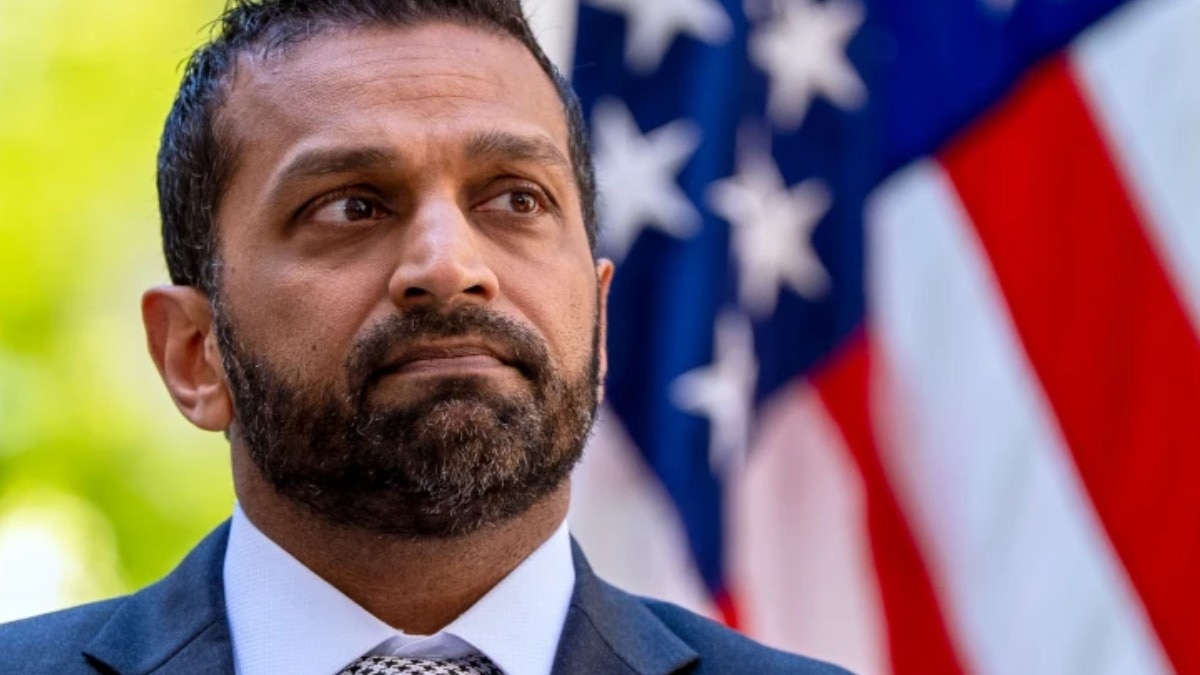
While the contempt proceedings pose the most immediate threat, Patel also faces a separate and potentially devastating set of legal challenges.
Multiple former FBI agents—many with decades of service—have filed lawsuits alleging they were unlawfully fired in politically motivated purges. The plaintiffs include agents involved in Trump-related investigations and others disciplined for participating in racial justice protests.
The lawsuits seek reinstatement, back pay, and damages, arguing that the firings violated FBI regulations and constitutional protections.
What makes these cases particularly dangerous for Patel are alleged admissions attributed to him in court filings and congressional materials. According to the complaints, Patel acknowledged that terminating agents without cause would violate FBI rules and federal law—but proceeded anyway, allegedly stating that his own position depended on removing personnel associated with investigations involving President Trump.
If authenticated, such statements could establish knowing and intentional violations of the law, significantly increasing Patel’s exposure to liability and damages.
A Pattern That Courts Are Beginning to Scrutinize

Judges and lawmakers alike appear increasingly frustrated by Patel’s conduct. In multiple proceedings, Patel has reportedly invoked the Fifth Amendment or delayed responses under oath, behavior that courts have characterized as obstructive.
In the Epstein matter, judicial patience appears to be exhausted. The specificity of Judge Berman’s deadline—and the readiness of federal marshals—suggests a court prepared to enforce compliance through custody, not further negotiation.
Meanwhile, the civil lawsuits continue on a separate track, advancing constitutional claims that could result in significant financial and reputational consequences.
Why Patel’s Legal Exposure Matters Politically

Patel’s vulnerability extends beyond his personal fate. As a central figure in Trump’s effort to reshape federal law enforcement, his legal troubles illuminate broader questions about accountability within the president’s inner circle.
Both the document dispute and the firing lawsuits point to a common theme: allegations that Patel used his authority to serve presidential interests first, and legal obligations second—only to encounter courts insisting on transparency and compliance.
For now, the administration has stood firmly behind him. But the convergence of an imminent contempt threat and mounting civil litigation makes Patel one of the most legally exposed officials in Trump’s orbit.
A Defining Test of Institutional Limits

The unfolding confrontation represents a rare moment in which judicial and legislative institutions are directly challenging executive-aligned power.
Whether Patel ultimately complies, faces arrest, or becomes entangled in protracted litigation, the message from the courts is unmistakable: titles do not confer immunity.
And as Senator Booker warned, the stakes extend far beyond one official.
“This isn’t about politics,” he said. “It’s about whether the institutions meant to keep this country safe are being dismantled from within.”