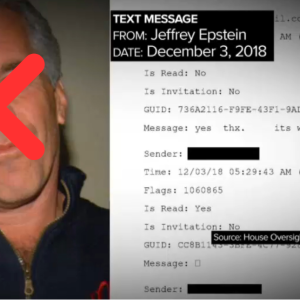
Claims of a “File Dump” by Jack Smith Ignite Washington — What Was Released, What Wasn’t, and Why It Matters
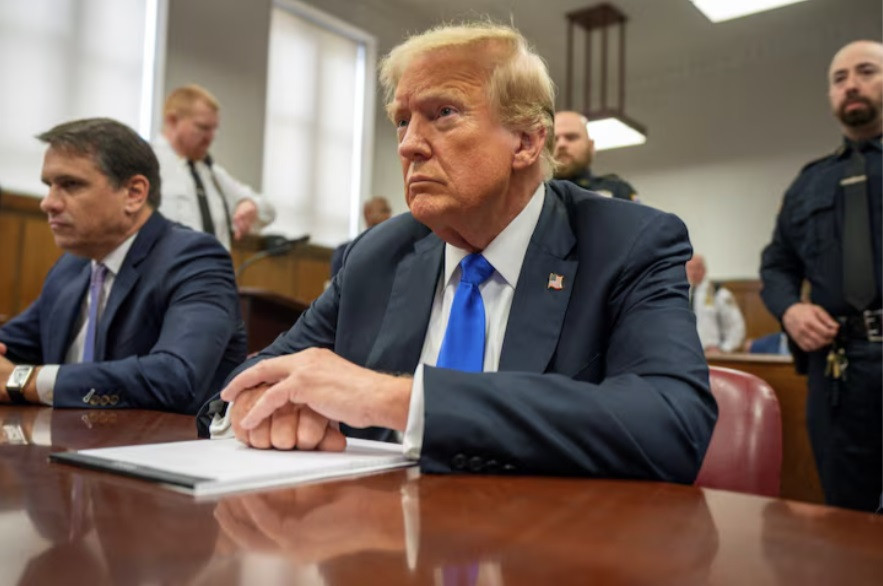
WASHINGTON — A wave of breathless posts raced across social media this week claiming that Jack Smith, the special counsel who oversaw federal investigations into Donald Trump, had “dumped” a trove of explosive documents into the public domain, exposing previously hidden details and sending Washington into panic.
The posts — amplified on X, TikTok, and YouTube — spoke of “urgent uploads,” “sealed secrets,” and a sudden release of materials that would allegedly upend Trump’s legal and political future. Within hours, hashtags referencing Smith and Trump were trending, and commentators across the ideological spectrum were scrambling to parse what, if anything, had actually happened.
The answer, according to court records and Justice Department officials: something significant did occur — but not in the sensational way many viral accounts suggested.
What Was Actually Released
At the center of the online frenzy was a routine but consequential court filing. In recent days, prosecutors made public a set of documents that had previously been under seal or subject to redactions in Trump-related cases. These filings included procedural records, correspondence logs, and summaries tied to ongoing litigation and appeals.
Such releases are common as cases move through different phases, particularly when courts rule that certain materials no longer require confidentiality. In this instance, the documents became accessible through federal court dockets, not through a dramatic “dump” initiated unilaterally by Smith.
A Justice Department spokesperson declined to comment on the substance of the filings but emphasized that “there has been no extraordinary disclosure beyond what courts have authorized.”
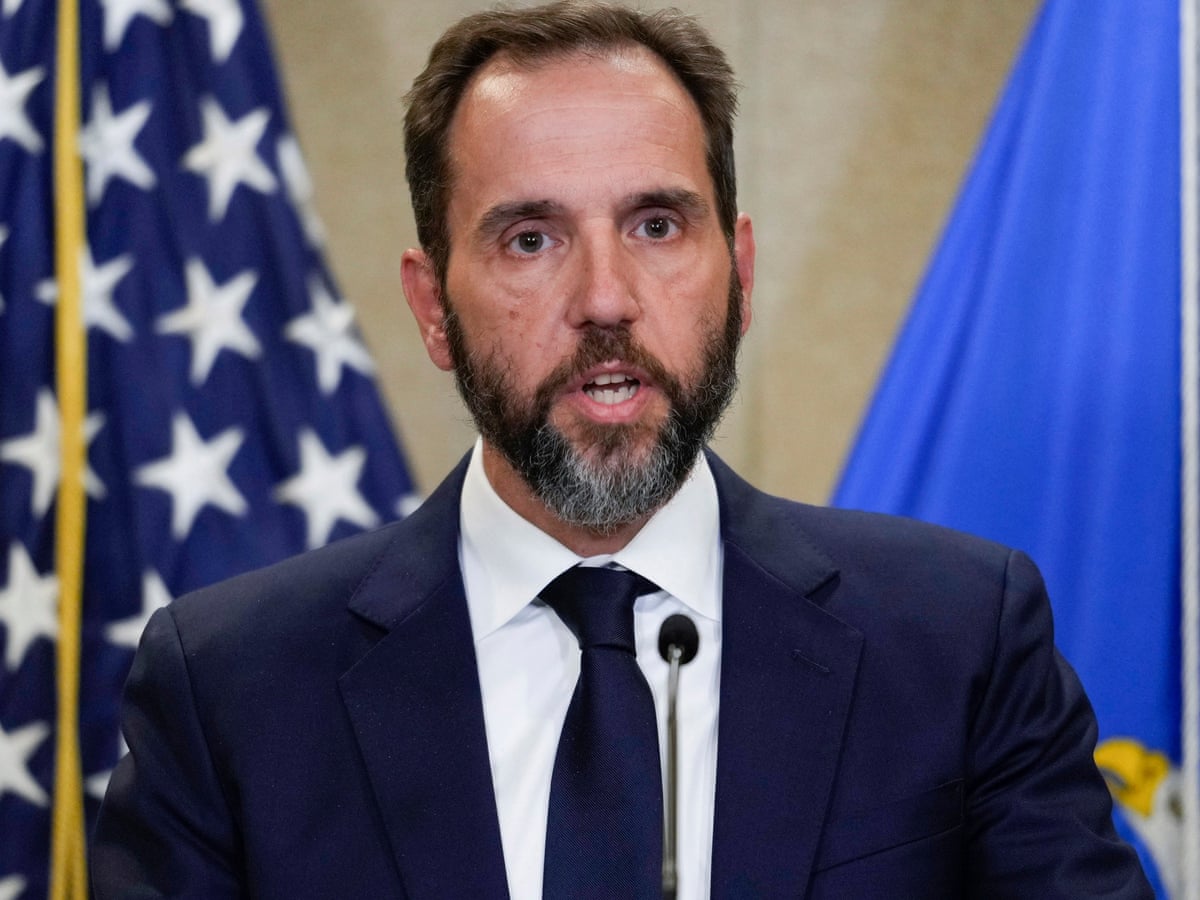
Why the Reaction Was So Intense
The muted reality did little to slow the online reaction. For months, anticipation has built among both Trump critics and supporters over what Smith’s investigations might still reveal. Smith previously led prosecutions related to classified documents and efforts to overturn the 2020 election, cases that have already generated thousands of pages of filings.
Against that backdrop, even routine disclosures can appear momentous — especially when framed by influencers and partisan outlets as a sudden exposure of “everything.”
“The expectation economy around these cases is enormous,” said a legal scholar at Georgetown University. “People are primed to believe that any new filing is a bombshell, even when it’s procedural.”
Screenshots of court dockets circulated widely, often stripped of context. Some posts suggested that newly unsealed material proved sweeping misconduct; others claimed it showed a government “cover-up.” In reality, many of the documents were technical in nature, detailing timelines, filings, and compliance with court orders rather than unveiling new allegations.
Trump’s Response and the Political Echo Chamber
Trump, as he has done repeatedly, framed the episode as further evidence of what he calls the “weaponization” of the justice system. In statements shared by allies, he accused prosecutors of trying to influence public opinion through selective disclosures, even as legal experts noted that the releases followed standard judicial processes.
His critics, meanwhile, seized on portions of the filings they argue underscore the seriousness of the original investigations. Progressive commentators highlighted references to witness testimony and investigative steps as proof that the cases were grounded in evidence, not politics.
The clash played out in real time across cable news panels and social feeds, illustrating how legal proceedings have become raw material for partisan storytelling.
The Role of Social Media in Shaping Perception
Platforms like X and TikTok have transformed the way court news is consumed. Influencers with large followings often summarize complex filings in seconds, sometimes accurately, sometimes not. Algorithms reward urgency and outrage, pushing dramatic interpretations to millions before sober analysis can catch up.
“By the time a careful explanation circulates, the narrative is already set,” said a media researcher who studies political misinformation. “The phrase ‘file dump’ implies intent and drama that simply weren’t there.”
In several high-profile posts, creators claimed that Smith had released “everything at once,” triggering speculation about imminent arrests or revelations. None of those claims have been substantiated.

What This Means Going Forward
Legally, the document releases do not alter Trump’s immediate standing. The major questions — including appeals, potential penalties, and the broader implications for his political future — remain tied to court decisions still pending.
Politically, however, the episode underscores how volatile the environment remains. Even incremental developments can be reframed as existential threats or vindications, depending on the audience.
For Washington insiders, the takeaway is less about the content of the filings and more about the reaction they produced. “This is the new normal,” said a former federal prosecutor. “The legal system moves at its own pace, but public perception now moves at the speed of a viral clip.”
Separating Signal From Noise
As more filings inevitably become public in Trump-related cases, similar bursts of speculation are likely. Experts advise readers to look to primary sources — court dockets, judicial rulings, and on-the-record statements — rather than viral summaries.
“There will be real revelations when courts decide there are,” the Georgetown scholar said. “Until then, much of what circulates online is interpretation layered on anticipation.”
In the end, this week’s so-called “file dump” revealed less about hidden secrets than about the current state of American political discourse: a system in which legal process, social media, and partisan expectation collide, often producing more heat than light.
What remains unchanged is the underlying reality — the courts will continue to decide what becomes public, and when. The rest is commentary, amplified by an internet primed for the next shock.