Washington —
An effort in the U.S. Senate to rein in President Donald Trump’s authority to launch further military action in Venezuela collapsed this week by a single vote, underscoring both rising anxiety within the Republican Party and Trump’s continued ability to enforce party discipline when it matters most.
The measure, a War Powers Resolution that would have required congressional authorization before any new U.S. military operations in Venezuela, failed after Vice President JD Vance cast a rare tie-breaking vote to block it. The outcome revealed deep unease among lawmakers about the president’s unilateral use of force — and the fragile limits of congressional oversight.
A Near-Rebuke of the White House
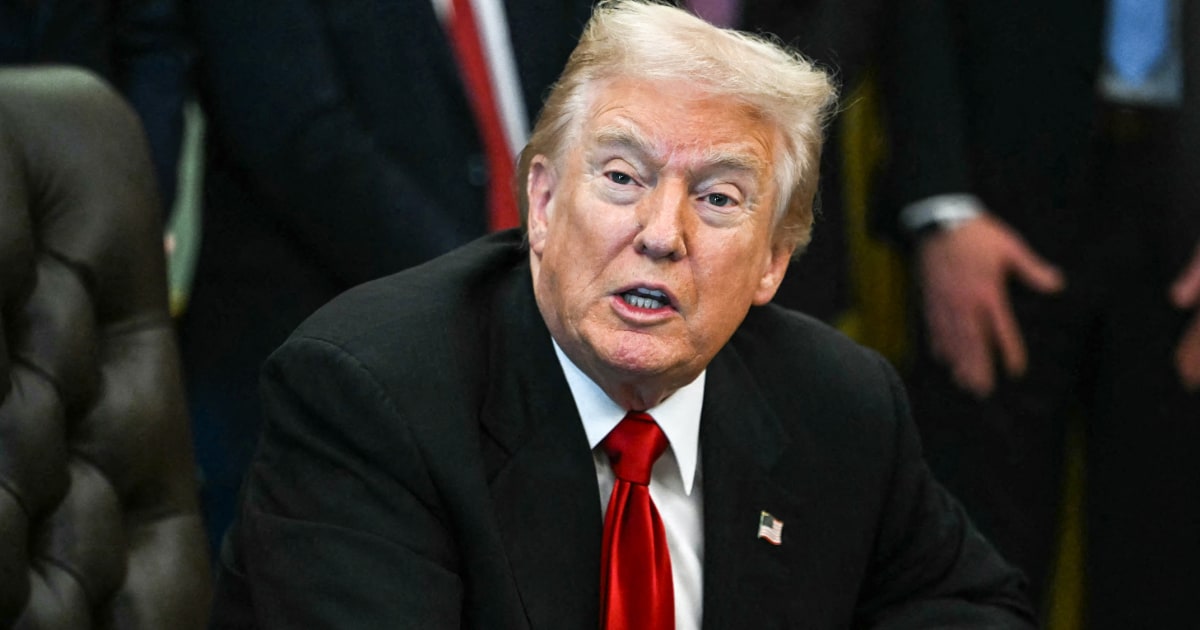
The resolution emerged after President Trump ordered a surprise military operation that resulted in the capture of Venezuelan leader Nicolás Maduro, an action carried out without prior notification to Congress. In the days that followed, Trump escalated concerns by publicly declaring that the United States was now “in charge of Venezuela” and its oil resources — remarks that alarmed lawmakers across party lines.
Senators from both parties said they were blindsided by the operation, learning of it through news reports rather than classified briefings. While some Republicans supported aggressive action against Maduro’s regime, Trump’s claims of control over another sovereign nation raised red flags about legality, escalation, and the scope of presidential war powers.
“This went far beyond a limited operation,” said one senator. “It sounded like an assertion of sovereignty.”
Republican Defections — and Reversals

On January 8, the Senate took an initial procedural vote to advance the resolution. In a surprising show of bipartisan concern, five Republican senators joined all Democrats to move the measure forward in a 52–47 vote — a rare and meaningful break from party unity on a major foreign-policy issue.
The moment appeared to signal real vulnerability for the president. But it was short-lived.
According to multiple reports, Trump and senior administration officials, including Secretary of State Marco Rubio, launched an intense pressure campaign aimed at the Republican defectors. Trump publicly warned that those who opposed him would face political consequences, suggesting they would be blamed if the situation in Venezuela deteriorated.
Within days, two of the five Republicans reversed their positions.
Vance Steps In to Kill the Measure
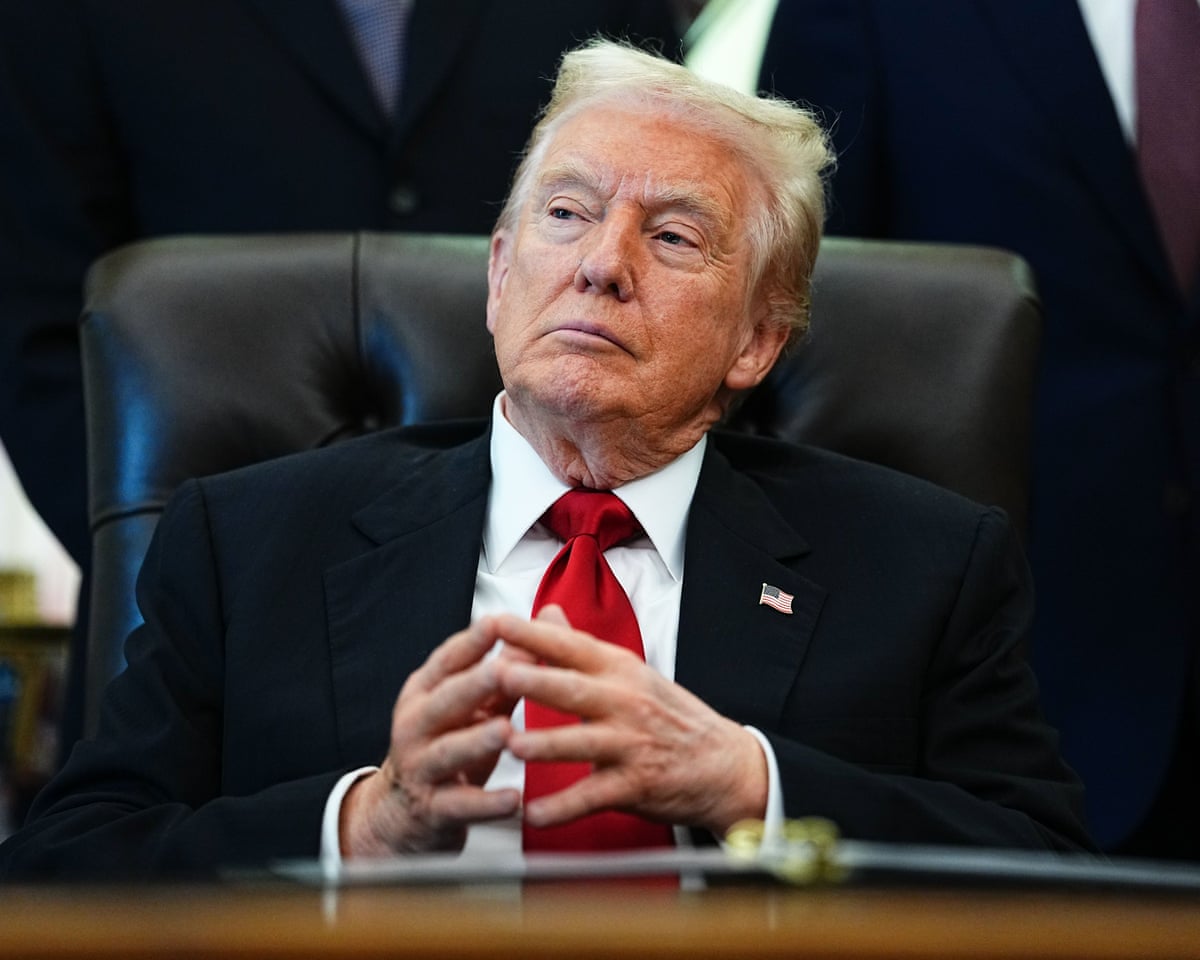
The final vote, held on January 14, was a procedural motion to dismiss the resolution outright. The Senate split 50–50 — a tie that would normally allow the resolution to survive. But Vice President Vance rushed to Capitol Hill to exercise his constitutional role as president of the Senate, casting the decisive vote to end the effort.
The 51–50 outcome preserved Trump’s authority to conduct further military operations in Venezuela without congressional approval.
The narrow margin highlighted how close Congress came to imposing limits — and how dependent those limits are on sustained political courage within the president’s own party.
Public Skepticism, Presidential Defiance
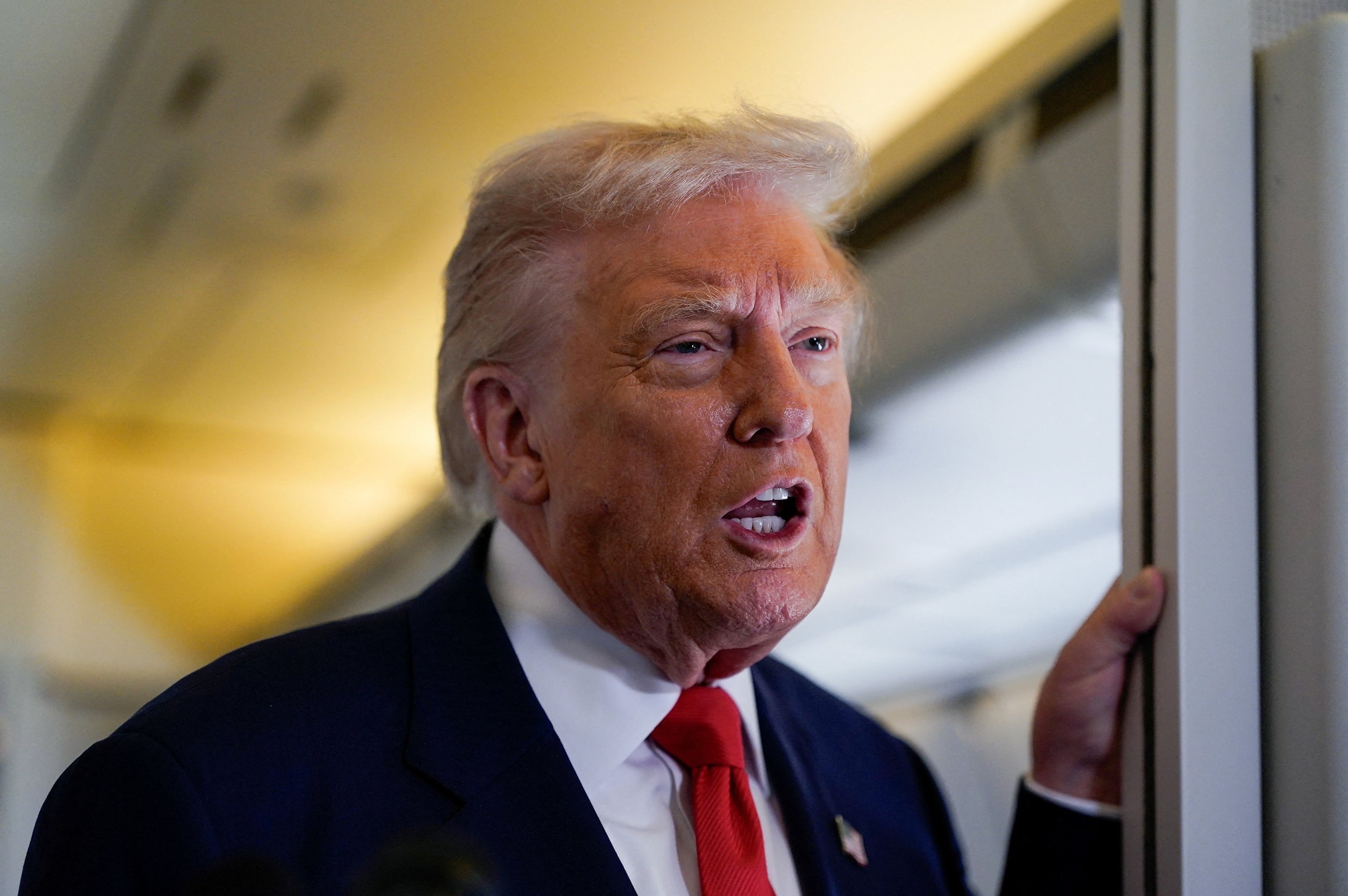
Polling released this week suggests that a majority of Americans believe Trump has gone too far in using military force abroad. Still, the president showed no signs of moderation after the vote.
Trump defended the Venezuela operation as a “tremendous success,” insisted Congress should thank him, and reaffirmed that U.S. naval forces would remain in place. He rejected the idea that congressional authorization was required and indicated he would continue to act as he sees fit.
The administration has emphasized that it does not intend to deploy ground troops or occupy Venezuela, with officials drawing comparisons meant to distinguish the operation from past U.S. interventions such as Iraq. Critics, however, argue that Trump’s rhetoric — particularly his claim that the U.S. now controls Venezuelan oil — undercuts those assurances.
Broader Implications for Checks and Balances
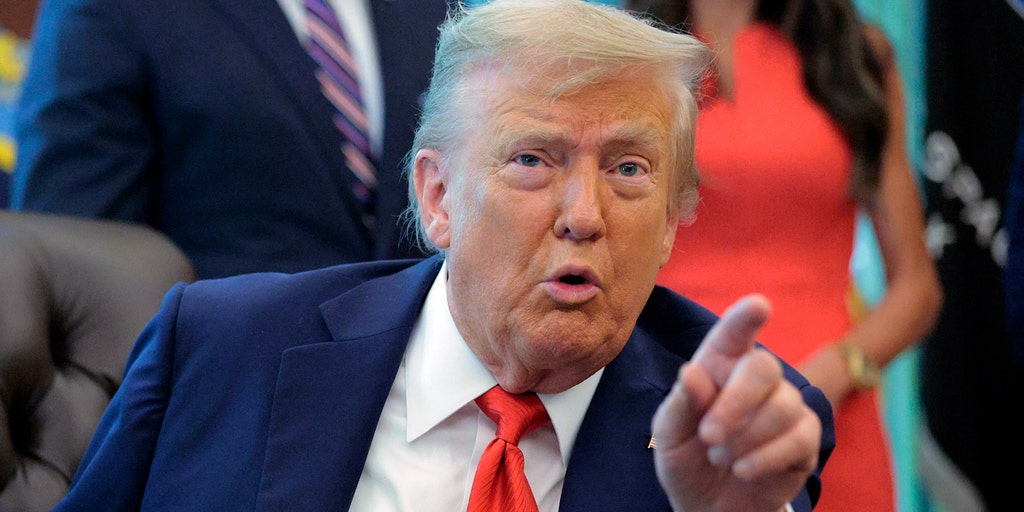
The failed resolution has fueled renewed calls among Democrats for investigations and, in some cases, impeachment proceedings, with lawmakers arguing that the president’s actions constitute an illegal invasion or coup. Trump himself has acknowledged the political stakes, warning Republicans that losing control of Congress in the 2026 midterms could expose him to impeachment.
The episode illustrates both the existence and the limits of institutional checks on presidential power. Five Republicans initially broke ranks, showing that concern within Trump’s party is real. But the combination of political pressure and a vice-presidential tiebreaker ultimately proved enough to preserve executive authority.
“The constraints are there,” said one congressional aide, “but this vote shows how fragile they are.”
As Trump expands his foreign-policy agenda, similar efforts to challenge his war powers are expected to resurface. Whether they succeed may depend less on constitutional tools than on lawmakers’ willingness to withstand the political costs of using them.