Trump, Ordered to Testify, Opts for Silence in New York Fraud Probe
When Donald J. Trump arrived for questioning in New York at the height of the state attorney general’s fraud investigation into the Trump Organization, the moment was supposed to be straightforward: investigators would ask the former president, under oath, to explain how his company valued marquee properties and reported its finances to banks, insurers and tax authorities.
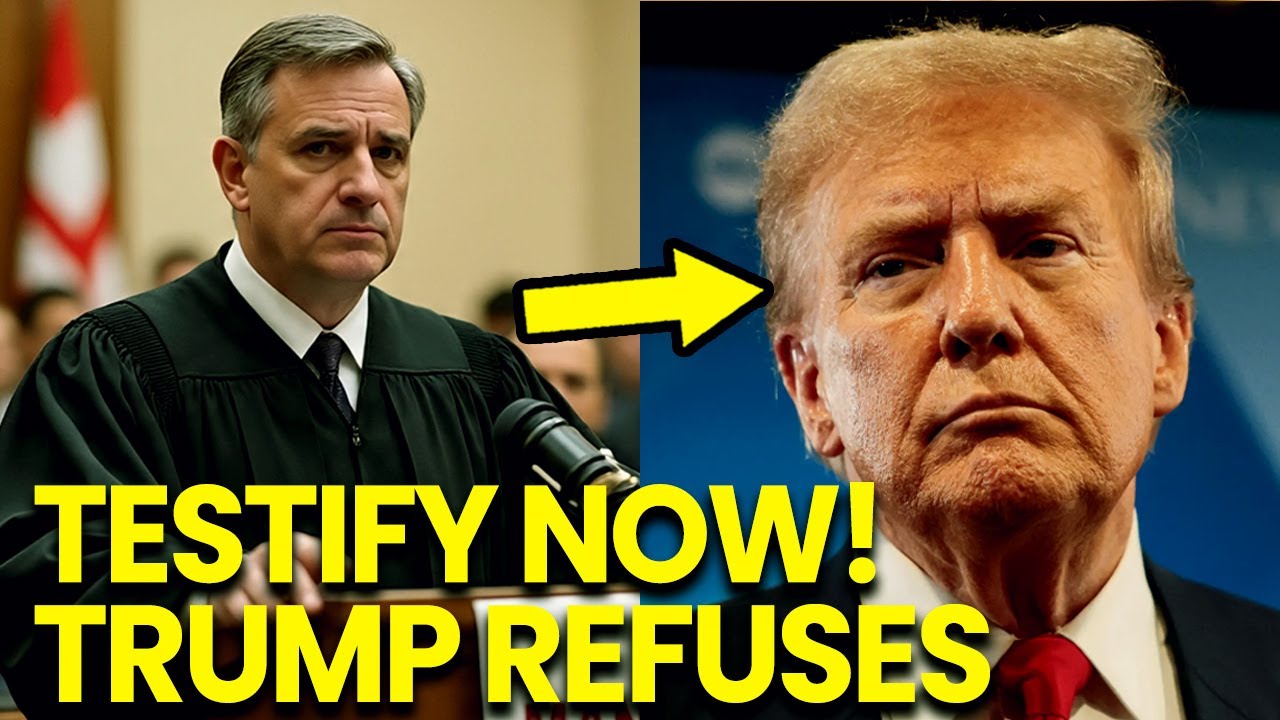
Instead, Mr. Trump invoked the Fifth Amendment — repeatedly — declining to answer substantive questions and turning a high-stakes legal demand into a familiar test of how far a well-resourced defendant can go while still technically complying with a court order.
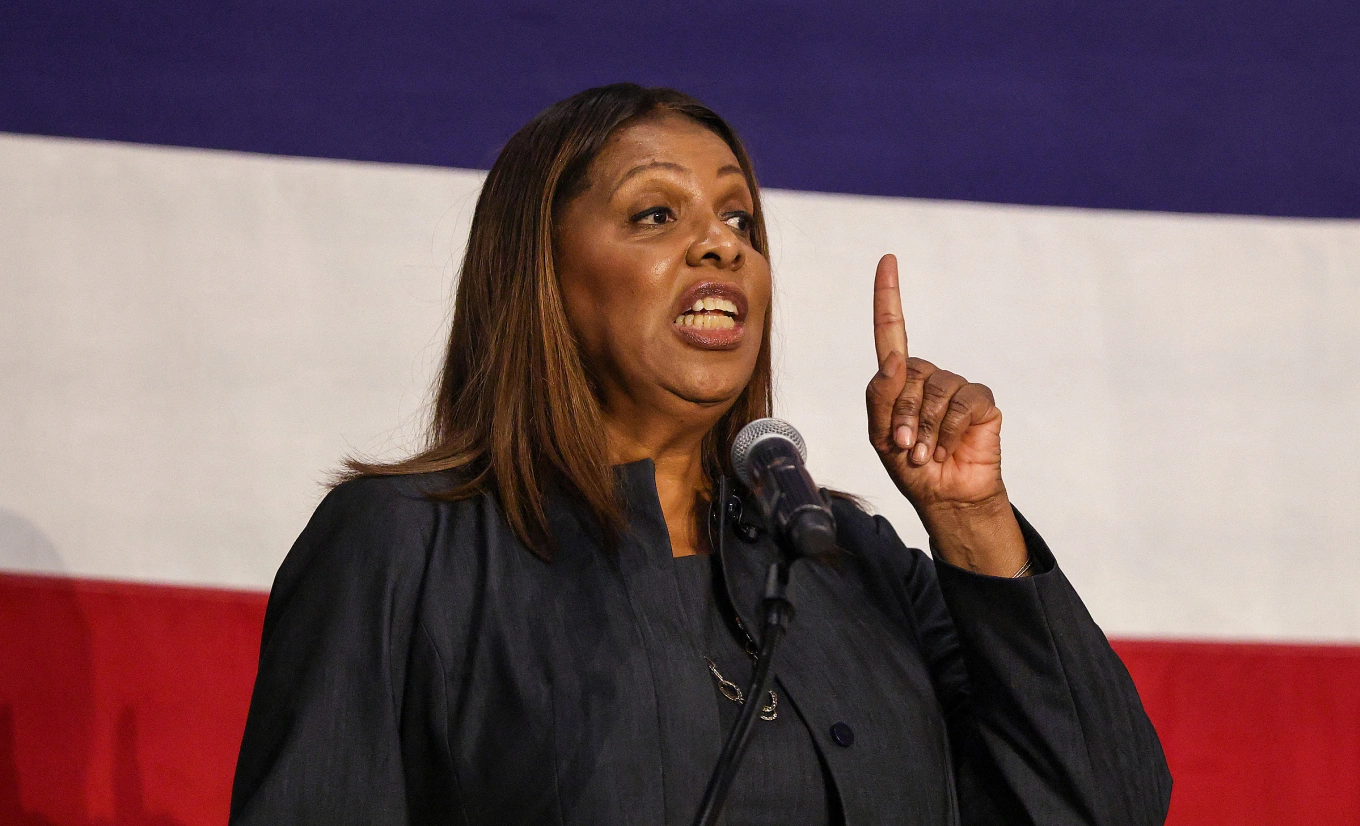
The deposition, conducted by the office of Attorney General Letitia James, followed months of litigation over subpoenas seeking testimony from Mr. Trump and members of his family who held senior roles in the business. Judges rejected arguments that he should not have to appear, but once he did, the Constitution gave him a powerful shield: the right not to provide answers that could later be used against him in a criminal case.
According to news accounts, Mr. Trump invoked the Fifth Amendment hundreds of times during the session — a striking posture for a political figure who had previously mocked others for “taking the Fifth.”
That choice carries different consequences in civil proceedings than it does in criminal court. In a criminal trial, jurors are generally instructed not to treat a defendant’s silence as evidence of guilt. But in civil matters, judges and juries may draw “adverse inferences” from a refusal to answer — essentially concluding that a truthful response might have been damaging.
The New York civil fraud case that grew out of Ms. James’s investigation ultimately became one of the most closely watched legal fights of Mr. Trump’s post-presidency: a sweeping bench trial that accused him and his company of inflating asset values to secure favorable financial terms. In early 2024, Justice Arthur F. Engoron found Mr. Trump liable for fraud and imposed a massive financial penalty, later backed by an enforcement judgment that triggered urgent questions about appeals bonds and the potential threat to signature assets.
But the story did not end with the headline number. In 2025, a New York appellate court overturned the bulk of the monetary penalty, delivering a major win to Mr. Trump while leaving aspects of the court’s underlying fraud findings in dispute — and prompting Ms. James to ask the state’s highest court to reinstate the financial sanction.
For Mr. Trump, the deposition strategy illustrated a recurring approach in high-stakes litigation: contest subpoenas aggressively, exhaust appeals, then minimize exposure once compelled to appear. To his supporters, that posture is framed as resistance to politicized scrutiny. To critics, it is another example of procedural combat that delays accountability and leaves key questions unanswered — even when a defendant shows up.
In the end, the Fifth Amendment did what it has always done: protected a witness from being forced to speak against his own interests. The legal and political consequences, however, have played out in courtrooms and campaigns alike.