OPINION | In an era when American politics increasingly blurred the line between governance and performance art, Melania Trump stood apart. While much of the media obsessed over outrage cycles and partisan theater, a quieter truth often went unspoken: Melania Trump redefined grace and presence as First Lady—on her own terms, without the activist circus that came to dominate the role in recent years. History, with the benefit of distance, is likely to be far kinder to her than the headlines of the moment.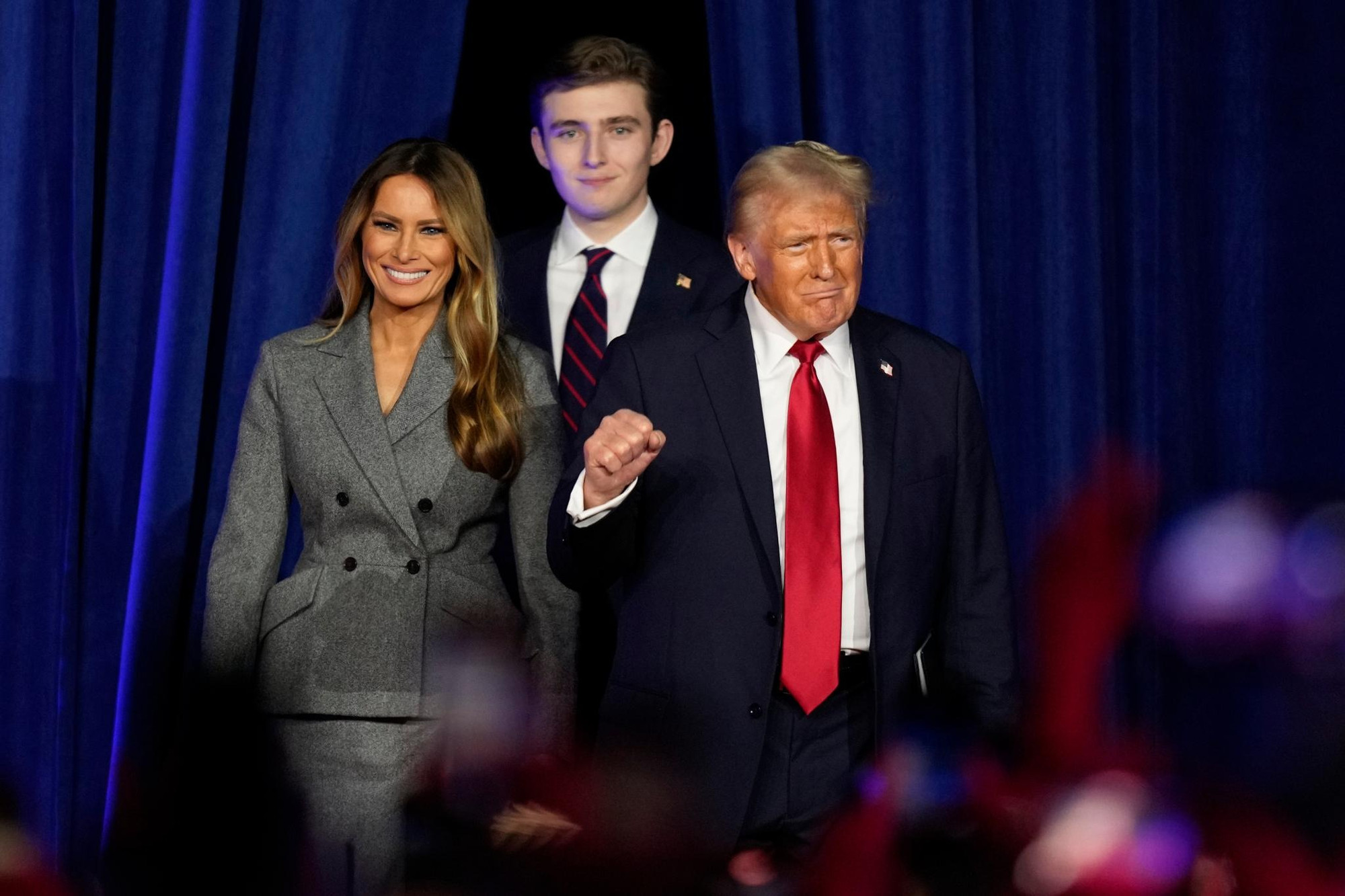
From the outset, Melania Trump rejected the expectation that the First Lady must function as a political surrogate or a social-media combatant. Instead, she embraced restraint. In a culture addicted to constant commentary, her silence was not absence—it was discipline. She understood that dignity does not require amplification, and that symbolism can speak louder than slogans.
Her approach stood in sharp contrast to a growing trend of overt political activism associated with the role. Rather than leveraging the position to advance partisan causes, Melania emphasized decorum, protocol, and representation. At state dinners, international summits, and ceremonial events, she projected steadiness and respect for the office—qualities that once defined the position but had slowly eroded amid performative politics.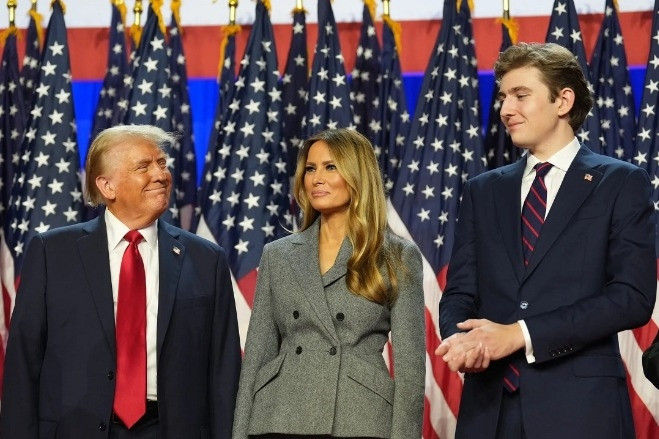
Critics often mistook her reserve for detachment. Yet those close to her tenure point to a deliberate choice: to preserve the apolitical spirit of the First Lady’s role while allowing the elected president to carry the political mandate. That distinction matters. The First Lady is not elected, and Melania Trump appeared keenly aware of that constitutional reality—an awareness increasingly rare in modern Washington.
Her “Be Best” initiative, frequently dismissed by detractors, reflected this same philosophy. Focused on child well-being, online behavior, and resilience, it avoided ideological trench warfare and aimed instead at universal concerns. It was intentionally modest, and perhaps that modesty is precisely why it failed to satisfy a media environment hungry for spectacle.
Melania Trump also brought a renewed emphasis on visual diplomacy. Whether hosting foreign leaders or representing the United States abroad, she understood the power of presentation—how posture, attire, and composure communicate national confidence. In international settings, where symbolism is currency, she often conveyed calm authority without uttering a word.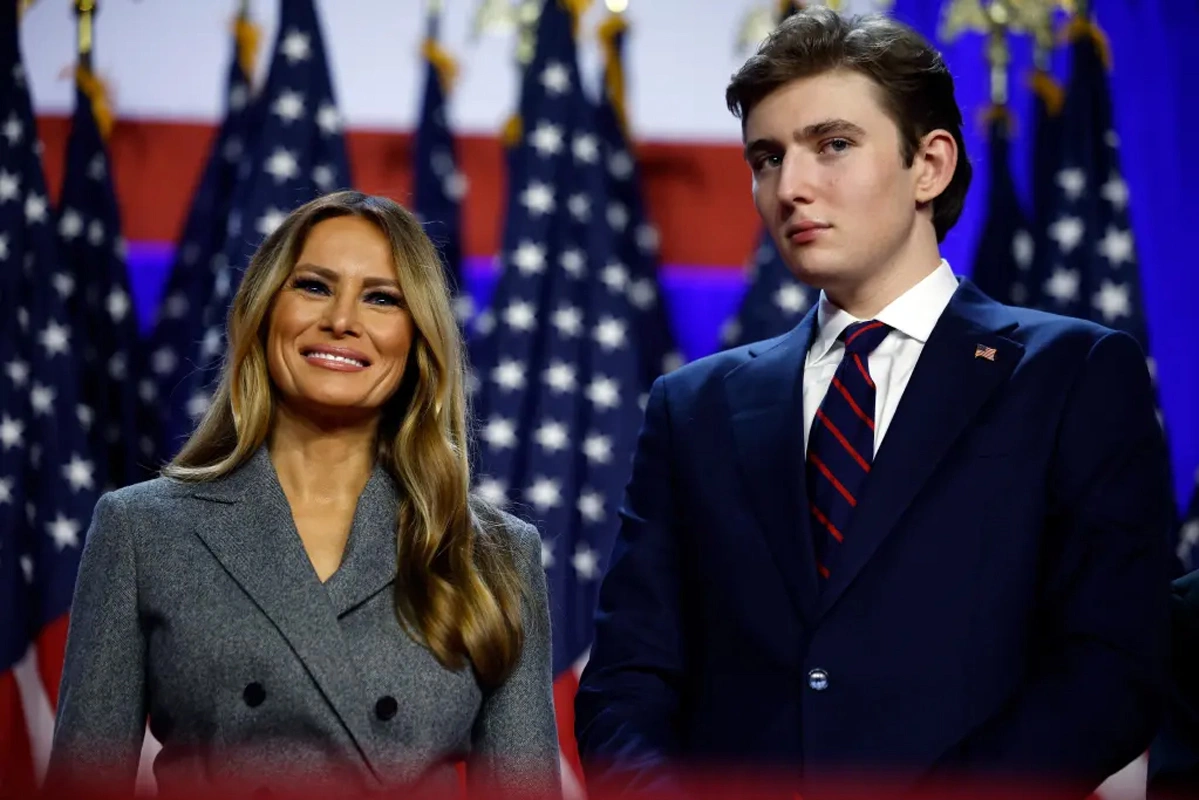
The media, largely uninterested in nuance, often framed her through a partisan lens—either as a prop or as a problem. What they rarely acknowledged was her consistency. She neither chased approval nor courted controversy. She remained steady while others shouted.
As time passes, the noise will fade. What will remain is a record of a First Lady who resisted the urge to politicize her platform, who prioritized grace over grievance, and who treated the role not as a megaphone but as a mantle. In hindsight, Melania Trump may be remembered not for what she said, but for what she refused to become.
And that restraint—quiet, unfashionable, and unfailingly dignified—may ultimately define her legacy.