A Symbolic Reversal at America’s Premier Performing Arts Institution
In a quiet but resonant act of restoration, the John F. Kennedy Center for the Performing Arts has removed the signage bearing former President Donald J. Trump’s name from its iconic marble facade. The operation, completed in mere eighty-seven seconds according to witnesses, marked the end of a brief yet deeply polarizing chapter in the center’s history. Workers wielding chisels dismantled the letters one by one, their rhythmic strikes echoing through the Potomac-side plaza like a verdict delivered without fanfare.
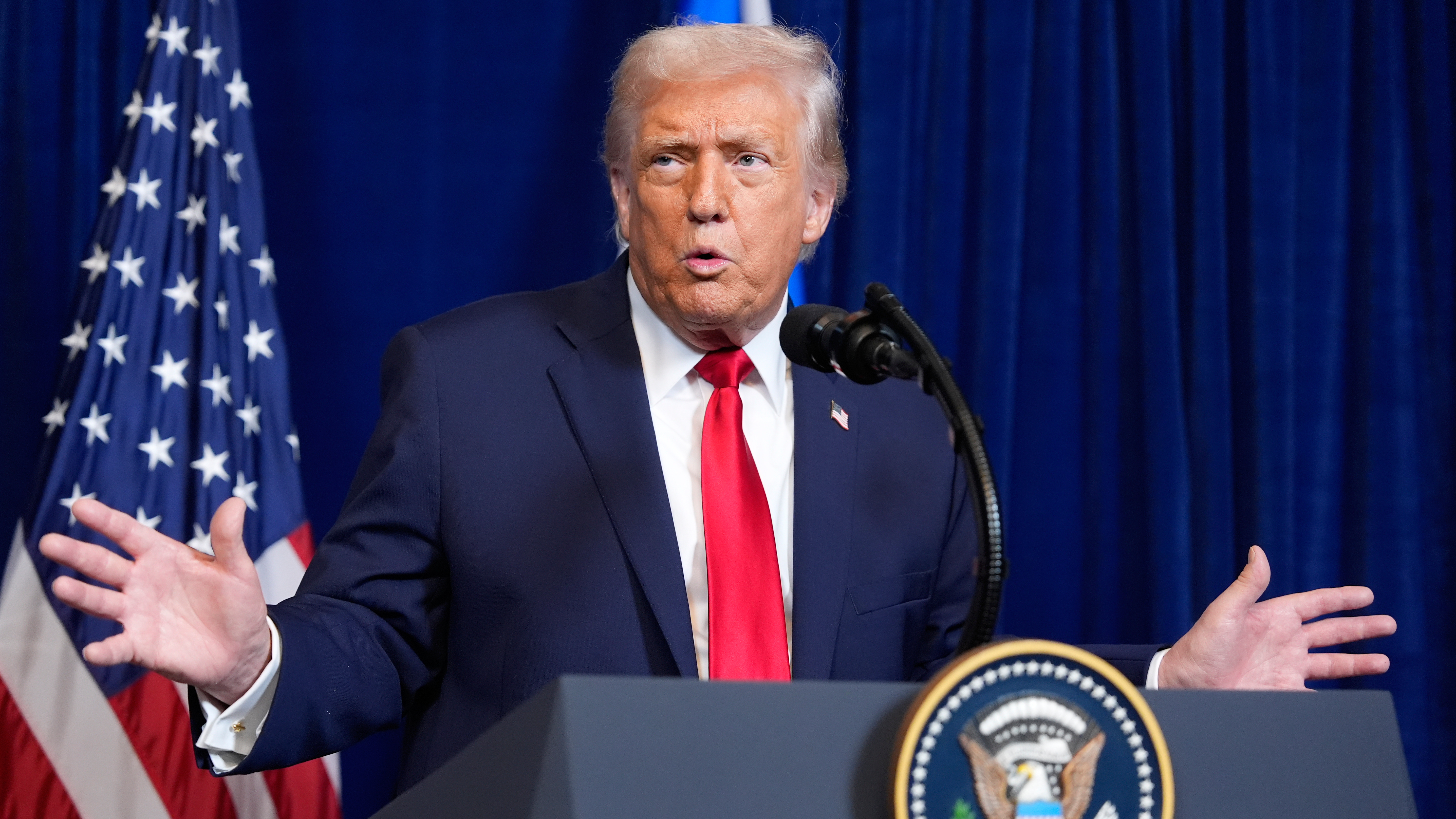
The change reverses a December 2025 decision by a Trump-appointed board of trustees to rechristen the institution the “Trump Kennedy Center” or variations thereof — a move that ignited immediate backlash from artists, lawmakers and members of the Kennedy family. What began as a swift installation of new signage amid cheers from supporters soon unraveled into widespread cancellations, lawsuits and public protests. Now, with the name stripped away, the center reverts symbolically to its original designation: a living memorial to President John F. Kennedy, established by Congress in 1964 following his assassination.
The Rapid Rise and Fall of a Controversial Rebranding
The saga traces back to early 2025, when President Trump, upon returning to office, restructured the Kennedy Center’s board by removing several appointees from the prior administration and installing loyalists, including himself as chairman. By December, the board voted unanimously to incorporate Trump’s name, citing his administration’s purported efforts to revitalize the aging facility. Workers affixed the new lettering to the building’s exterior almost immediately, a visual declaration that drew comparisons — favorable from allies, condemnatory from critics — to branding exercises at other properties associated with the former president.
Prominent figures in the arts world responded with swift defiance. Composer Philip Glass, soprano Renée Fleming, banjoist Béla Fleck and “Wicked” creator Stephen Schwartz were among those who canceled scheduled appearances, citing the renaming as incompatible with the institution’s legacy. Dance companies and jazz ensembles followed suit, turning what had been routine bookings into statements of principle. Protests gathered outside the building, with demonstrators decrying the alteration as an affront to the center’s nonpartisan tradition and its statutory role as Kennedy’s sole national memorial.
Legal challenges mounted almost as quickly. Representative Joyce Beatty, Democrat of Ohio and an ex officio trustee, filed suit arguing that federal law reserved naming authority to Congress alone. Kerry Kennedy, niece of the late president, publicly vowed to see the addition excised, even suggesting dramatic means if necessary. Scholars and former congressional historians reinforced the point: the 1964 legislation explicitly limited additional memorials or plaques in public areas, exceptions carved narrowly for donor acknowledgments rather than wholesale rebrandings.
Echoes of Division in Washington’s Cultural Landscape
The episode reflected broader tensions over legacy, power and institutional independence during Trump’s second term. Supporters hailed the change as recognition of perceived stewardship and a blow against entrenched elites; detractors viewed it as ego-driven overreach, emblematic of efforts to imprint personal branding on public spaces. The center itself became a microcosm of national fracture: programming continued amid boycotts, while black tape temporarily obscured old signage during the transitional rebranding confusion.
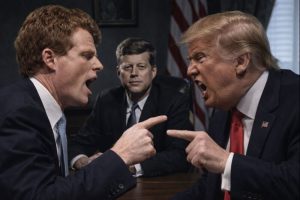
By late January 2026, momentum had shifted decisively. Ongoing litigation, congressional pressure and the sheer weight of artistic withdrawals appear to have compelled the reversal. The chiseling — executed efficiently and without ceremony — carried a certain poetic justice: no crowds cheered the removal, no speeches marked the occasion. Instead, the sound of metal on stone served as its own understated commentary on impermanence.
Restoring a Legacy Built on Dignity and Arts
The Kennedy Center now stands once more under its founding name, its facade cleansed of the recent addition. The golden bust of John F. Kennedy remains prominent in the grand foyer, a reminder of the institution’s origins as a tribute to a president who championed culture as vital to democratic life. Performers and audiences alike may now return without the shadow of recent controversy, though the memory of the interlude lingers as a cautionary tale about the intersection of politics and the arts.
In Washington, where symbols carry outsized meaning, the swift erasure of those eighty-seven seconds underscores a simple truth: some legacies endure through quiet persistence rather than imposed inscription. The center, purified of its temporary stain, resumes its role as a beacon for performance and reflection — unburdened, at least for now, by the clamor of one man’s name.