Trump Erupts at Grammys After Trevor Noah Joke Sparks Late-Night Meltdown
Donald Trump’s relationship with pop culture took another chaotic turn after the Grammy Awards, as the former president launched a late-night social media rant targeting host Trevor Noah and the show itself.
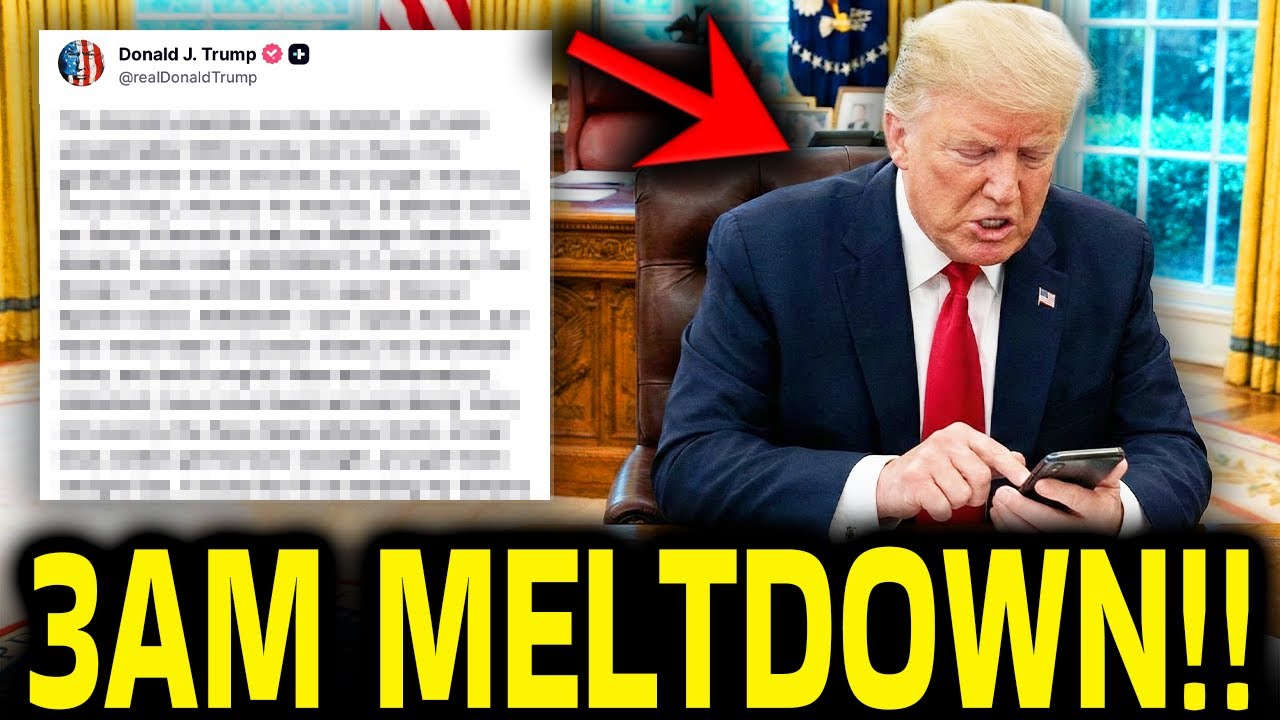
The outburst followed a series of on-stage jokes and pointed remarks from artists that referenced Trump, immigration enforcement, and his past associations—comments that clearly struck a nerve. By 1:00 a.m. Eastern Time, Trump was awake and posting angrily, threatening legal action and denouncing the Grammys as “unwatchable.”
The episode reinforced a familiar pattern: when criticized or mocked in high-profile cultural moments, Trump responds publicly, emotionally, and often in the middle of the night.
The Joke That Triggered Trump
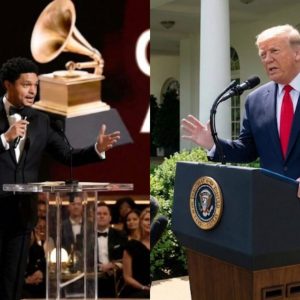
The flashpoint came during the Grammy Awards broadcast, when host Trevor Noah, in what he announced would be his final year hosting the ceremony, delivered a joke that quickly went viral.
While presenting Song of the Year, Noah quipped that winning the award was something artists wanted “almost as much as Trump wants Greenland,” adding a line referencing Epstein’s former private island in a clearly comedic context. The joke landed with laughter in the room—and fury elsewhere.
Within hours, Trump took to social media to respond.
Trump’s 1 A.M. Rant and Legal Threats
Posting just after 1:00 a.m., Trump condemned the Grammys and Noah in a lengthy message, calling the awards show “the worst” and “virtually unwatchable.” He claimed Noah had made “false and defamatory statements” and insisted that he had never been to Epstein’s island or “anywhere close.”
Trump went further, threatening to sue Noah personally, as well as CBS, stating that lawyers would soon be involved and promising “plenty of dollars” in damages.
The post ended with a strangely personal warning directed at the comedian—language that immediately drew attention online for its tone and timing.
Free Speech—Until It’s Comedy About Trump
The backlash highlighted a long-running contradiction critics often point out: Trump and his allies frequently defend comedians and commentators under the banner of free speech—until the jokes are aimed at him.
Trump has previously accused liberals of “canceling comedy” and suppressing speech. Yet in this case, he publicly called for legal action against a comedian for making jokes during an awards show.
Media analysts quickly noted that any lawsuit would almost certainly lead to legal discovery, depositions, and renewed scrutiny—something legal experts say public figures typically try to avoid.
MAGA World Joins the Meltdown
Trump was far from alone in his anger.
Several MAGA-aligned figures, including White House communications staff and prominent conservative commentators, took to social media to attack Noah and dismiss the Grammys as “irrelevant” and “low-rated.”
White House Communications Director Steven Chung issued a sharply worded response, labeling Noah a “giant loser” and mocking his past tenure on The Daily Show. Other Trump allies echoed similar language, accusing the Grammys of political grandstanding.
At the same time, some Trump supporters paradoxically insisted the awards show no longer mattered—despite closely following and responding to nearly every joke made during the broadcast.
Nicki Minaj Joke Adds Fuel to the Fire
Noah also drew attention for joking about Nicki Minaj, who has recently appeared in Trump-friendly spaces and has been praised by MAGA figures.
During his monologue, Noah joked that Minaj was “still at the White House” discussing policy with Trump, then launched into a mock impression imagining an awkward exchange between the two.
That segment prompted further backlash from Trump allies, with conservative figures rushing to defend Minaj while attacking Noah’s credibility and intelligence.
Artists Use the Grammys to Speak Out
Beyond Noah’s jokes, multiple artists used their acceptance speeches and wardrobe choices to make political statements—many of them critical of Trump-era immigration policies.
-
Bad Bunny declared, “We are humans. We are Americans,” while denouncing ICE-related rhetoric.
-
Billie Eilish urged audiences to keep “fighting, speaking up, and protesting,” emphasizing civic engagement.
-
Justin Bieber and Hailey Bieber were among several celebrities seen wearing “ICE Out” pins.
These moments contributed to what observers described as a broader cultural rebuke—one that appeared to deeply irritate Trump and his allies.
Allegations Resurface Amid the Fallout
In commentary following Trump’s reaction, progressive media figures and commentators referenced recently unsealed court materials and affidavits connected to the broader Epstein case. These documents include various claims and allegations involving powerful individuals, which Trump has consistently denied.
It is important to note that these allegations remain contested and have not been adjudicated in court. Trump has repeatedly stated that he severed ties with Epstein years ago and denies any wrongdoing.
Nonetheless, critics argue that Trump’s aggressive reaction to jokes referencing Epstein has only intensified public curiosity and scrutiny.
A Familiar Pattern
Political analysts say the Grammys episode fits a long-established pattern in Trump’s public behavior: intense sensitivity to ridicule, especially from entertainers and comedians.
From late-night television hosts to award-show monologues, Trump has frequently responded to satire with personal attacks, legal threats, or sweeping condemnations of entire institutions.
Polling experts note that while Trump retains a loyal base, his broader approval ratings have shown volatility—particularly among independent voters who often view these late-night rants as undisciplined or unbecoming.
Culture War Meets Celebrity Spotlight
The Grammys controversy underscores how deeply intertwined American politics and celebrity culture have become. Award shows once known primarily for music are now flashpoints in broader ideological battles.
For Trump, the incident appears to have been another reminder that even outside formal politics, he remains a dominant—and divisive—figure in the national conversation.
And once again, a joke delivered on a brightly lit stage ended up provoking a response delivered in the dark, hours later, from a familiar social media account.