The Clintons Agree to Testify in Epstein Inquiry, Reigniting a Debate Over Accountability and Transparency
WASHINGTON — After months of resistance, Bill Clinton and Hillary Clinton have agreed to testify before the House Oversight Committee in its investigation into the late financier Jeffrey Epstein, according to statements from their attorneys and committee officials. The decision, announced as lawmakers moved toward a vote to hold the former president and former secretary of state in contempt of Congress, has reopened a politically fraught chapter in Washington — and intensified scrutiny of how power, privilege and accountability intersect in the aftermath of the Epstein case.
The agreement follows weeks of escalating pressure from the House Oversight Committee, whose leaders had argued that earlier subpoenas were lawful and enforceable. Lawyers for the Clintons had previously maintained the opposite, calling the demands procedurally defective. With the contempt vote approaching, the standoff broke.
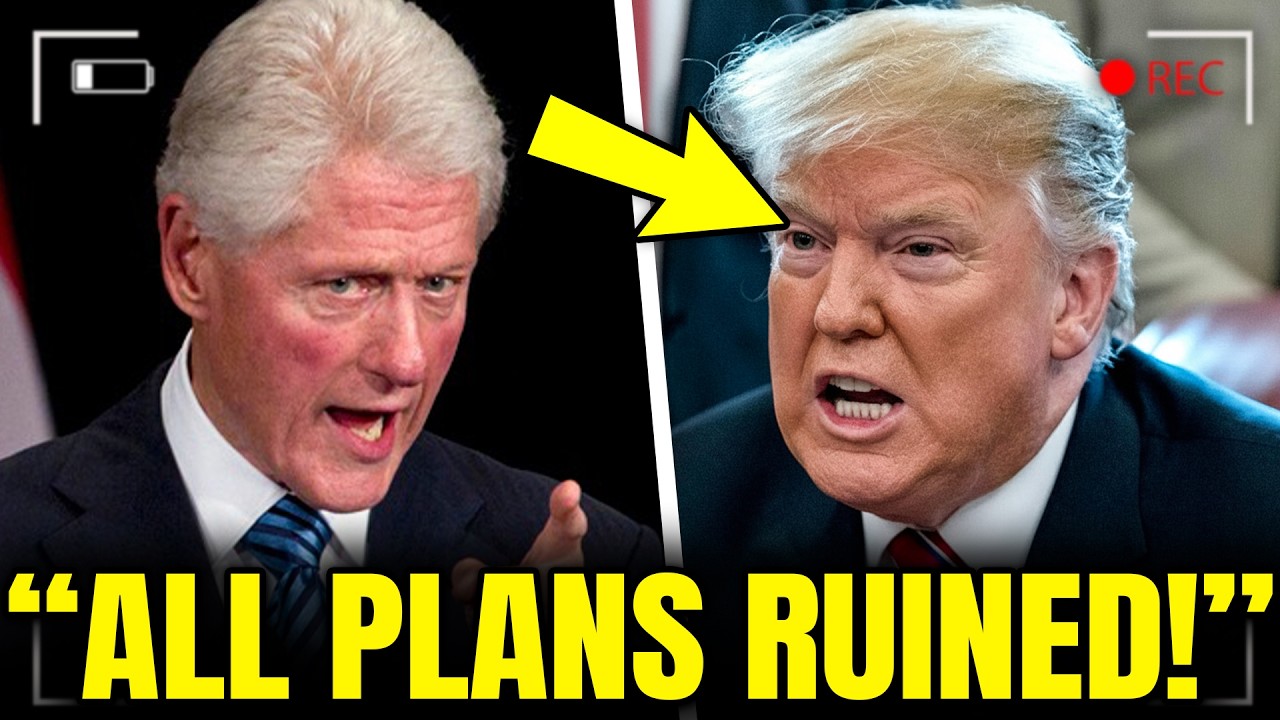
In a statement shared by a former aide to President Clinton, the Clintons said they would testify and “look forward to setting a precedent that applies to everyone,” a line that resonated with critics who have long argued that the Epstein matter has been marked by selective disclosure and uneven scrutiny.
A late pivot under pressure
The timing of the Clintons’ decision is central to the political reaction. Congressional contempt is a rare but serious step, one that can trigger legal consequences and reputational damage. By agreeing to appear, the Clintons avoided that immediate risk while committing — at least in principle — to public questioning about their contacts with Epstein.
President Clinton has acknowledged that he flew on Epstein’s private jet on several occasions in the early 2000s, a fact established by flight logs that have been publicly reported for years. He has repeatedly denied knowledge of Epstein’s crimes and has said he cut ties long before Epstein’s 2008 conviction. Hillary Clinton has said she had no direct relationship with Epstein.
The Oversight Committee has not specified the format of the testimony beyond indicating that depositions are expected. Committee members said they intend to ask what the Clintons knew about Epstein, when they knew it, and how they interacted with him socially or professionally.
Transparency — and its limits
The Clintons’ agreement comes amid renewed public attention to the government’s handling of Epstein-related records. Recent releases by the Department of Justice have included large volumes of documents, some heavily redacted to protect victims’ privacy and ongoing investigative equities. Survivors’ advocates have praised the focus on privacy while also criticizing inconsistencies that, they argue, can obscure accountability.
Legal experts emphasize a basic but often misunderstood point: appearing in investigative files or being named in testimony does not establish criminal wrongdoing. In complex investigations involving wide social networks, names can appear for many reasons — travel, events, correspondence — without evidence of illegal conduct. Determining culpability requires corroborated facts and due process, not volume of references.
That distinction has not calmed the political crosscurrents. For Democrats, the Clintons’ willingness to testify is framed as a challenge to others who have faced questions about Epstein but have not been compelled to appear. For Republicans, it is evidence that congressional oversight can force compliance even from the most powerful figures.

Trump responds — and redirects
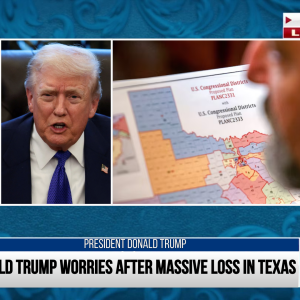
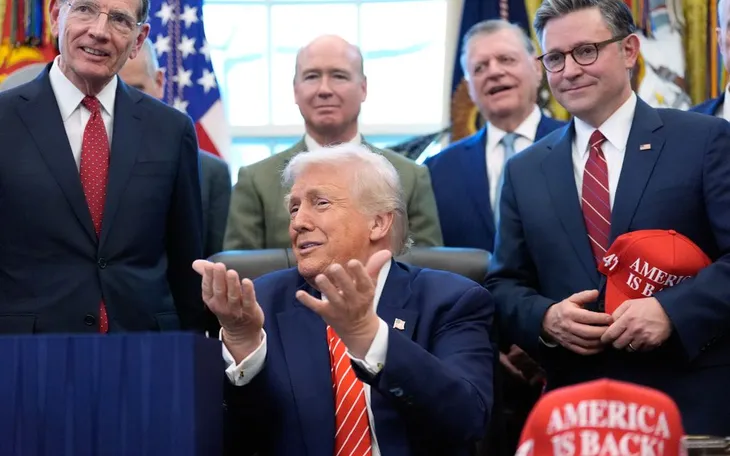
The agreement has also drawn a response from Donald Trump, who has alternated between dismissing the Oversight Committee’s focus and portraying himself as the subject of unfair scrutiny. Speaking to reporters, Mr. Trump offered guarded praise for Hillary Clinton’s abilities before pivoting to grievances about past investigations into his own conduct.
Mr. Trump has said that he severed ties with Epstein years ago and has denied any wrongdoing. Photographs and social interactions between the two men in the 1990s and early 2000s have been widely published, but no criminal charges have been brought against Mr. Trump related to Epstein. As with other public figures named in reporting about Epstein’s social circle, the legal standard remains proof, not proximity.
Why this moment matters
The Clinton testimony, if it proceeds publicly, will test whether Congress can extract substantive answers from elite witnesses without turning hearings into spectacle. Oversight Committee leaders say they want facts, not theater. Skeptics note that high-profile hearings often produce more heat than light.
Still, the moment carries symbolic weight. Epstein’s 2019 death in federal custody foreclosed a trial and left victims without the courtroom reckoning many sought. Since then, investigations have shifted toward institutional failures and the conduct of those who enabled or ignored Epstein’s abuse. Each appearance by a powerful figure is seen by survivors as a step — however incomplete — toward acknowledgment.
“This is about accountability,” said a former federal prosecutor who has followed the case. “Not everyone who knew Epstein committed a crime. But the public has a right to know who knew what, and how systems failed.”
The road ahead
What happens next depends on the scope and tone of the questioning, and on whether other figures are called. Committee members have signaled that additional witnesses may follow. The Justice Department has said it will continue to release records consistent with law and privacy obligations.
For now, the Clintons’ agreement resets a long-running standoff and places them squarely before Congress. Whether it advances clarity or deepens polarization will become clear only after testimony begins.
One lesson, however, is already apparent: years after Epstein’s crimes came to light, the struggle to balance transparency, accountability and fairness remains unresolved — and intensely contested.