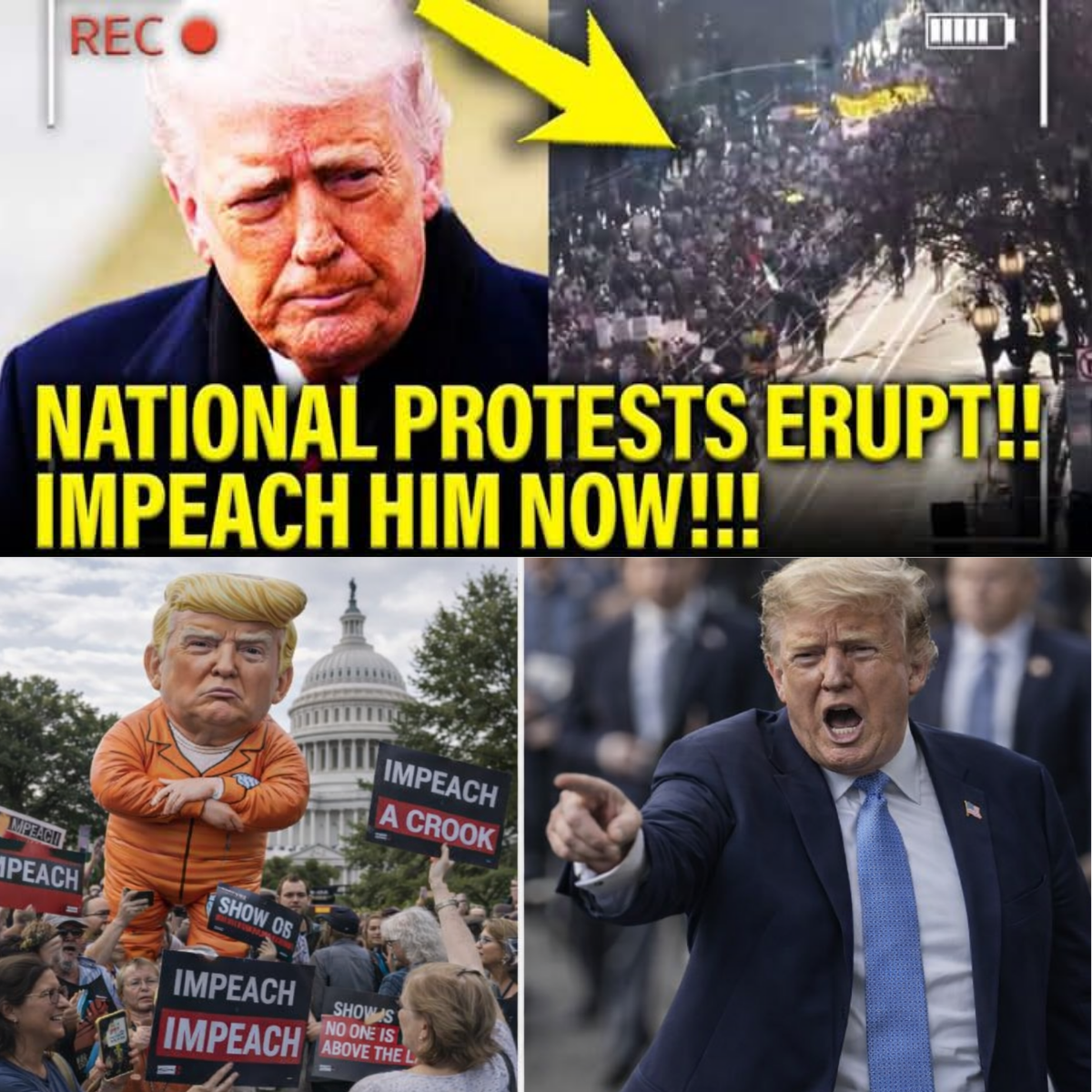
In cities from coast to coast, large crowds have gathered in recent days to voice deep frustration with President Donald J. Trump’s administration, with many demonstrators explicitly calling for his impeachment and removal from office. The rallies, which have drawn thousands in major urban centers including Washington, D.C., Los Angeles, Minneapolis, and San Francisco, reflect mounting anger over immigration enforcement policies, reported clashes involving federal agents, and broader concerns about executive overreach. What began as localized demonstrations against specific actions by Immigration and Customs Enforcement (ICE) has evolved into a broader expression of discontent, with chants of accountability echoing through streets and online platforms amplifying the unrest.
The Spark: Immigration Enforcement and Deadly Encounters
The current wave of protests traces much of its momentum to recent operations by ICE and related federal agencies. In Minnesota, a fatal shooting during an immigration-related enforcement action earlier this month has become a focal point of outrage. Demonstrators have highlighted the incident as emblematic of what they describe as aggressive and unchecked tactics under Homeland Security Secretary Kristi Noem and border czar Tom Homan. Reports indicate that the administration has since begun withdrawing hundreds of immigration officers from the state following agreements with local officials, a move some view as a partial concession amid the pressure.
Critics argue that these enforcement efforts, part of a broader deportation initiative promised during the 2024 campaign, have crossed into excessive territory, leading to community fear and confrontations. Protesters in multiple locations have carried signs reading “No One Is Above the Law” and “Impeach Trump Again,” drawing parallels to previous constitutional challenges faced by the president during his first term.
Trump’s Response and Reported White House Tensions
President Trump has addressed the unrest in public statements and social media posts, characterizing the demonstrations as the work of “radical left mobs” and emphasizing that federal intervention in local protests would occur only if requested by state authorities. In one notable declaration, he instructed the Department of Homeland Security to refrain from involvement in certain cities “unless and until they ask us for help,” a stance that has drawn both praise from supporters and criticism from those who see it as abdicating responsibility.
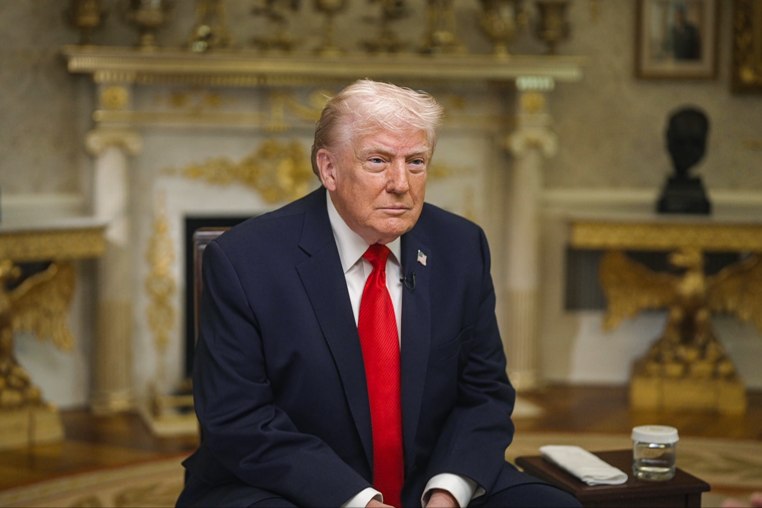
Insiders and media reports have described heightened tensions within the White House, with aides reportedly navigating a barrage of criticism from both sides of the political divide. While the president has maintained a defiant posture—often framing the protests as politically motivated attacks—some observers note a shift in tone in recent interviews, including suggestions of a “softer touch” in immigration operations. Such comments come against a backdrop of declining approval ratings tied to the deportation campaign and economic pressures, as indicated in various polls.
The Impeachment Question in a Divided Congress
Talk of impeachment has resurfaced prominently, though the path remains fraught with obstacles. House Democrats have grappled with the issue since early in the term, with rogue resolutions introduced but lacking broad party support. Betting markets and political analysts place the odds of a successful third impeachment low in the current congressional configuration, particularly with Republicans holding slim majorities in key chambers ahead of the 2026 midterms.
President Trump himself has repeatedly warned Republican allies that a loss of House control in November could lead to renewed impeachment efforts, stating in private gatherings that Democrats “will find a reason to impeach me.” Advocacy groups such as Citizens’ Impeachment and Free Speech For People have mobilized petitions and days of action, gathering significant signatures and organizing events to pressure lawmakers. Yet constitutional experts emphasize that impeachment requires not only a House majority to bring charges but a two-thirds Senate vote for conviction—a high bar in the present polarized environment.
Clashes Online and the Broader Political Landscape
The protests have spilled over into digital spaces, where hashtags and viral videos document confrontations, speeches, and crowd sizes. Supporters of the administration have countered online, accusing demonstrators of exaggeration and defending the enforcement measures as necessary for national security. Meanwhile, the discourse has highlighted deepening divisions, with some MAGA loyalists dismissing the rallies as orchestrated, while critics portray them as a grassroots revolt against perceived abuses of power.
As the administration navigates these challenges—compounded by ongoing debates over election integrity, federal funding cliffs, and international relations—the nationwide demonstrations serve as a vivid reminder of the intense scrutiny facing the president. Whether these events mark a turning point or a temporary flare-up remains uncertain, but they underscore the persistent fault lines in American politics more than a year into Trump’s second term.