Melania Trump Lawsuit and Residency Questions: What We Know So Far
Speculation surrounding the private lives of public figures often spreads faster than verified facts. In recent weeks, renewed attention has focused on Melania Trump, her reported residency, and a legal dispute involving journalist Michael Wolff. The controversy has triggered debate across political media, social platforms, and legal circles.
This article breaks down the verified information, the legal context, and what remains allegation versus documented fact.

The Core Question: Where Does Melania Trump Live?
At the center of the current discussion is a seemingly simple question: where does Melania Trump primarily reside?
Public records and prior reporting indicate that Melania Trump and Donald Trump have maintained multiple residences over the years, including properties in Florida and New York. High-profile families often divide their time between several homes for personal, political, and business reasons.
However, recent commentary has suggested that Melania may spend significant time in New York rather than at Mar-a-Lago in Florida. These claims have not been confirmed by court rulings or official government documentation. At this stage, they remain assertions raised in media discussions and legal filings.
It is important to distinguish between speculation and legally established fact. No court has issued a determination declaring separate living arrangements.
The Lawsuit Involving Michael Wolff
The residency question gained renewed attention following a legal dispute involving journalist Michael Wolff. Wolff is known for writing multiple books about Donald Trump, including the bestselling Fire and Fury, which sparked widespread controversy upon release.
In the latest dispute, Wolff reportedly filed a lawsuit connected to statements and potential defamation claims. While details continue to develop, legal observers note that lawsuits of this nature often revolve around free speech protections, defamation standards, and jurisdictional issues.
New York courts, for example, have relatively strong anti-SLAPP protections (laws designed to prevent strategic lawsuits intended to silence critics). Legal analysts suggest that jurisdiction can play a significant role in how such disputes unfold.
As of now, the case has not produced a final ruling resolving the broader claims about residency or personal matters.

The Epstein References and Why Caution Matters
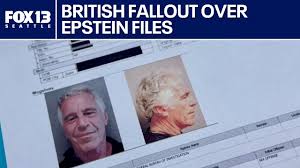
The controversy has also included references to Jeffrey Epstein. Epstein, who died in 2019 while awaiting trial, had a documented social network that included numerous prominent individuals across politics, business, and entertainment.
However, being socially connected or photographed with Epstein does not in itself establish wrongdoing. Courts require evidence, and legal responsibility must be determined through formal proceedings.
To date, no court has found Melania Trump liable for criminal conduct related to Epstein. It is essential to avoid repeating allegations as fact unless supported by verified legal findings.
Media Narratives vs. Legal Standards
The Melania Trump residency debate highlights a broader issue in modern political reporting: the gap between narrative framing and legal proof.
Commentators often analyze body language, public appearances, or film portrayals as evidence of deeper realities. Some have cited a recent documentary portrayal of Melania Trump as suggestive of her personal preferences or geographic ties. However, documentaries are curated productions and do not serve as legal documents.
In defamation law, statements must meet strict criteria to be considered false and harmful. Courts typically evaluate:
-
Whether a claim was presented as fact
-
Whether it can be proven true or false
-
Whether it caused reputational damage
-
Whether actual malice was involved (for public figures)
Because Melania Trump is a public figure, legal standards are especially high.
Multiple Residences Are Not Unusual
Another key factor is the practical reality of high-profile political families. The Trumps have long owned properties in Florida, New York, and previously Washington, D.C. Maintaining more than one primary residence is common among wealthy families and political leaders.
During Donald Trump’s presidency, Melania Trump remained in New York for several months after the inauguration so their son could finish the school year. That decision was widely reported at the time and demonstrates that location decisions may reflect family priorities rather than marital status.
Therefore, the existence of time spent in New York does not automatically confirm separation or marital discord.
Political Context and Timing
Observers note that the renewed focus on Melania Trump’s residency emerges during a politically charged environment. As Donald Trump remains a dominant figure in national politics, media attention frequently expands beyond policy into personal matters.
Legal disputes involving journalists often generate headlines because they intersect with questions of press freedom, political influence, and public accountability.
It is also common for high-profile figures to contest jurisdiction when lawsuits are filed, as legal outcomes can vary significantly depending on state law.
What Has Been Proven — and What Has Not
To summarize clearly:
What is confirmed:
-
Melania and Donald Trump own or have owned residences in multiple states.
-
Michael Wolff has written extensively and critically about Donald Trump.
-
Legal disputes have arisen regarding statements connected to Trump and related figures.
What is not legally established:
-
A court ruling confirming permanent separate living arrangements.
-
Any criminal wrongdoing by Melania Trump related to Epstein.
-
Definitive proof of marital separation.
Until courts rule or official records clarify these matters, much of the discussion remains interpretive commentary rather than verified fact.
The Broader Implications
The situation illustrates how quickly personal narratives can become political talking points. In today’s media environment, documentaries, podcasts, and commentary shows often amplify speculative elements.
For readers and viewers, the key is distinguishing between:
-
Opinion
-
Investigative reporting
-
Legal findings
-
Confirmed documentation
The Melania Trump lawsuit and residency debate continues to unfold. Future court proceedings may clarify jurisdictional issues or address specific claims more directly.
For now, the most responsible approach is to rely on documented filings, official statements, and court rulings rather than extrapolations.
Final Thoughts
Public figures live under extraordinary scrutiny. While transparency and accountability are essential in a democracy, so too is adherence to legal standards and factual verification.
As the legal process moves forward, observers should expect additional filings, possible jurisdictional arguments, and perhaps more public commentary. Whether the case significantly alters public perception remains to be seen.
What is clear is that in politically charged climates, even personal questions like “Where does she live?” can evolve into national headlines — but answers must ultimately come from evidence, not assumption.