EXCLUSIVE: Hegseth Accused of Diverting $60 Billion in Taxpayer Funds for Illegal Purposes
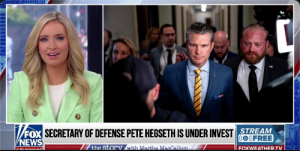
Defense Secretary Pete Hegseth is facing explosive allegations of illegally diverting taxpayer dollars after whistleblowers revealed that nearly $60 billion in Pentagon spending remains completely unaccounted for—with evidence suggesting the money was funneled into covert operations, political pet projects, and personal perks.
The allegations, detailed in internal documents and a scathing letter from ten Senate Democrats, paint a picture of a defense secretary operating outside congressional oversight while hiding behind national security classifications.
The Missing Billions
At the center of the scandal is $150 billion appropriated through the Republican reconciliation bill of July 2025. While the Pentagon submitted a classified spending plan for $90 billion—ostensibly for missile defense—Congress has never received any accounting for the remaining $60 billion.
“This is unprecedented,” said Sen. Jeff Merkley (D-OR). “Even during the Iraq War, defense spending plans weren’t fully classified. This raises serious questions about whether funds are being diverted to unintended—potentially illegal—purposes.”
Paying Troops During Shutdown?
Sources tell this news organization that investigators are examining whether Hegseth used hidden funds to pay troop salaries during last year’s lengthy government shutdown—a move that would technically violate appropriations law.
Even more troubling, the Pentagon quietly issued $1,776 “Warrior Dividend” bonus payments to roughly 1.4 million service members in December. While popular with troops, the payments appear to have been funded through the classified reconciliation pool rather than properly appropriated accounts.
Shell Companies and Beltway Bandits
A former Pentagon financial official alleges that Hegseth has been funneling massive sole-source contracts through the Small Business Administration’s 8(a) program—designed to help disadvantaged businesses—to reward political allies and bypass competitive bidding.
Hegseth boasted about “taking a sledgehammer” to the 8(a) program, calling it a breeding ground for “DEI race-based contracting.” Yet internal documents reveal the Pentagon has been quietly issuing $100 million sole-source contracts through the program “almost every day.”
“In many instances, these socially disadvantaged businesses don’t even do work,” Hegseth admitted. “They take a 10%, 20%, sometimes 50% fee off the top and then pass the contract off to giant consulting firms.”
What Hegseth failed to disclose is that many of these contracts originated from his own Pentagon. Investigators are now examining whether senior officials have personally benefited.
DEI Purges at Taxpayer Expense
Meanwhile, Hegseth has been waging a public war against diversity programs—at significant cost. The Congressional Budget Office confirmed the administration could spend upwards of $125 million simply attempting to rename the Department of Defense.
Critics note the irony. “He’s holding press conferences about renaming buildings while refusing to tell Congress where $60 billion went,” one Democratic aide said. “That’s not accountability. That’s a cover-up.”
Pattern of Secrecy
The spending controversy is part of a broader pattern. The Pentagon has adopted new restrictions on communication with Congress and slashed the Operational Test and Evaluation office by 75%—eliminating independent oversight of weapons systems.
Lawmakers from both parties have expressed alarm. Sen. Roger Wicker (R-MS) repeatedly pressed Pentagon nominees to commit to congressional intent. Yet the Pentagon missed its August 2025 deadline to submit a spending plan and has offered “no explanation” for why the entire $90 billion portion was classified.
Criminal Referrals Possible
Legal experts say the allegations could constitute multiple federal violations. “If taxpayer funds are being diverted for unauthorized purposes—whether paying troops during a shutdown or funneling money through shell companies—that’s a potential violation of the Antideficiency Act,” said a former Justice Department official. “Criminal referrals would be warranted.”
The senators’ letter gave Hegseth a February 20 deadline to respond. That deadline passed with no substantive answer from the Pentagon.
A Defense Department spokesperson said only that “the department does not comment on member discussions on Capitol Hill.”
What’s Next
Multiple Inspectors General are now reportedly examining aspects of the Pentagon’s spending. House Democrats are promising immediate subpoenas if they retake the majority.
“Transparency is not optional; it is the foundation of accountability,” the senators wrote. “Congress cannot forfeit its constitutional role in overseeing the defense budget.”
For now, $60 billion remains in the shadows—and Pete Hegseth faces growing accusations that America’s defense secretary has been running America’s largest slush fund.