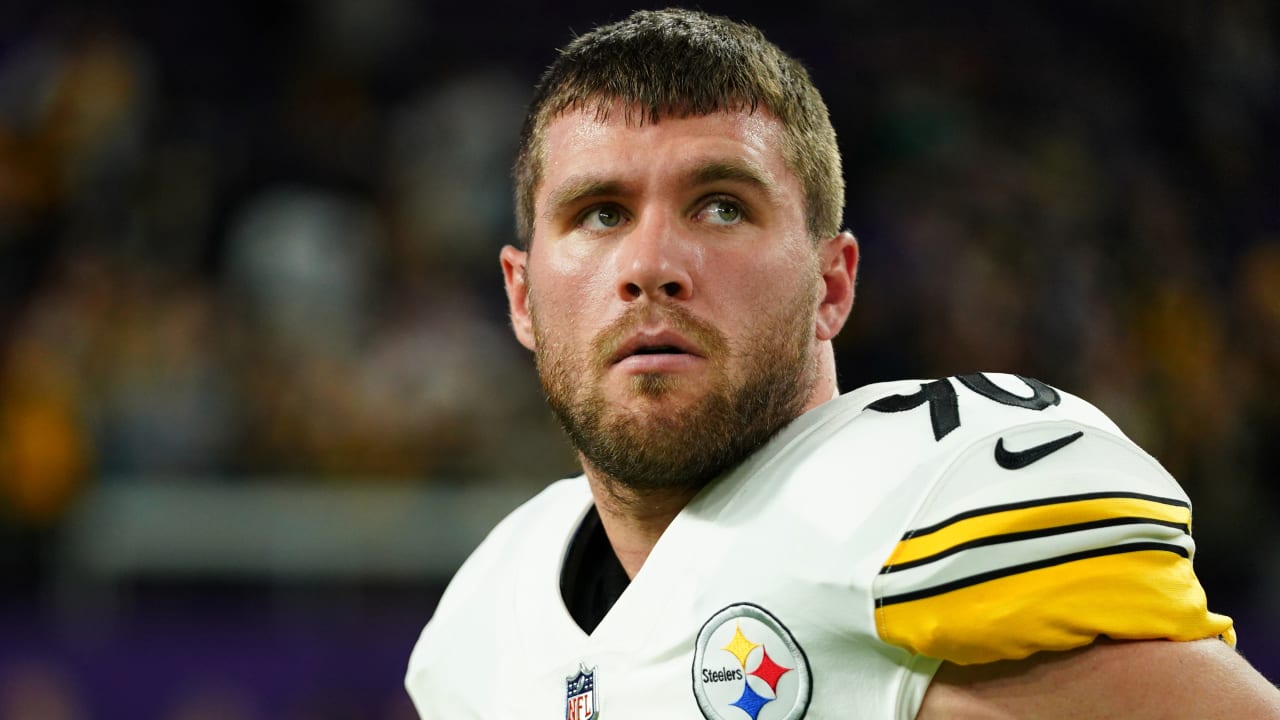
The NFL community was shaken to its core this week after the tragic passing of former running back Rudi Johnson in Florida, an event that has left fans, players, and families grappling with grief. Among the first voices to respond was Pittsburgh Steelers superstar T.J. Watt, who issued a heartfelt statement expressing his deepest condolences to Johnson’s loved ones while urging the league to organize a solemn, league-wide memorial service in his honor.
“This is not just the loss of an individual, but a wake-up call for the entire football community,” Watt said. His words, resonating with clarity and compassion, have sparked a surge of sympathy and solidarity across the United States, prompting a national conversation about remembrance, unity, and the fragile humanity that underpins the often brutal world of professional football.
A Legacy Cut Short
Rudi Johnson was more than just an athlete. Known for his grit, explosive running style, and ability to turn small openings into game-changing plays, he built a reputation as one of the most dependable players of his era. Beyond the field, however, Johnson was also celebrated for his quiet generosity, mentoring younger players and engaging with fans in ways that left lasting impressions.
His sudden death in Florida has left a void that stretches far beyond statistics and highlight reels. For many, the tragedy has become a symbol of the fragility of life—even among those who appear invincible under the stadium lights.
The news spread rapidly on social media, with hashtags like #RudiStrong and #RememberRudi trending nationwide within hours. Fans shared old clips of his best moments, stories of chance encounters, and photos that highlighted his enduring smile.
Watt, one of the NFL’s most respected defensive leaders, spoke publicly about Johnson’s passing with raw emotion. Instead of focusing solely on condolences, he issued a challenge to the NFL itself: to honor Johnson in a formal, league-wide memorial service.
“This is a loss that belongs to all of us,” Watt declared. “Rudi Johnson gave his heart to this game. He deserves more than silence. He deserves our collective respect and remembrance. This tragedy should remind us that every player, every family, every fan is part of one football community. When one of us hurts, all of us hurt.”
Watt’s plea struck a chord, particularly given his reputation as a team-first leader who rarely steps into controversies. His words were widely interpreted not only as a tribute to Johnson but also as a broader call for the NFL to re-examine how it recognizes and honors its former players.
An Outpouring of Support
Almost immediately after Watt’s statement, other players across the league echoed his sentiment.
-
Patrick Mahomes tweeted, “Rudi was a legend, and his loss is felt by all of us. Count me in for honoring him the right way.”
-
Von Miller shared an Instagram story with Johnson’s photo, writing, “Gone too soon. Let’s do this for him.”
-
Dozens of former teammates posted tributes, recalling Johnson as the kind of player who would go out of his way to lift up others.
The wave of support has put the NFL in the spotlight, with fans now asking whether Commissioner Roger Goodell and league officials will heed Watt’s call and establish a memorial service that brings together all 32 teams.
Fans Demand Action
Outside of player circles, ordinary fans have become a driving force in amplifying Watt’s message. On platforms like X (formerly Twitter) and Reddit, supporters organized petitions urging the league to set aside a day to honor Johnson’s legacy.
One fan wrote: “We mourn together after tragedies, but the NFL has a chance to show us it’s more than just a business. Honoring Rudi with a memorial is the least they can do.”
Another noted: “T.J. Watt is right. We cheer for these athletes every week, but they give their lives to this sport. Their memories deserve more than a passing headline.”
The groundswell of emotion has placed mounting pressure on the NFL, which has previously faced criticism for what some see as inconsistent recognition of past players once their careers end.

A Larger Conversation: Accountability and Care
Watt’s statement didn’t just focus on remembrance—it also subtly hinted at the deeper issues within professional football. The repeated use of the term “wake-up call” has been interpreted as a nudge for the NFL to reflect on how it handles not only the legacies of its players but also their well-being after retirement.
Former players often speak about the lack of comprehensive support once their careers are over. Injuries, financial struggles, and mental health issues continue to haunt many. Johnson himself had spoken in past interviews about the physical toll his body endured during his playing years.
By tying his condolences to a broader message, Watt may have reignited a long-simmering debate about the league’s responsibility toward its athletes—both during and after their time in the spotlight.
Media Reaction
National outlets quickly picked up Watt’s comments, with ESPN calling it a “rallying cry for remembrance” and Sports Illustrated framing it as “a watershed moment in how the NFL treats its past heroes.”
Talk shows debated the matter throughout the day, with some praising Watt’s leadership and others questioning whether such memorials should become a formal expectation for every player lost.
One commentator summed it up bluntly: “Watt didn’t just call for a memorial. He called for accountability. That’s a big deal in today’s NFL.”
A Community United in Grief
In Florida, where Johnson passed away, vigils have already begun. Local fans, many of whom had never met Johnson personally, gathered to light candles and wear jerseys bearing his name. Children held handmade signs reading “Thank you, Rudi” while older fans wiped away tears recalling his unforgettable games.
The sense of unity spreading across the NFL landscape has drawn comparisons to past moments of collective grief, such as the deaths of Sean Taylor and Demaryius Thomas. Each time, the league was forced to reckon not only with the fragility of life but also with its duty to honor those who built its legacy.
What Comes Next
As of now, the NFL has not officially announced plans for a league-wide memorial, but insiders suggest discussions are underway. According to multiple reports, several team owners and the players’ union are already considering proposals that would include:
-
A pregame moment of silence across all stadiums next week.
-
A memorial fund established in Johnson’s name to support youth football programs.
-
A televised tribute featuring highlights of his career and testimonials from teammates.
If such plans move forward, it will mark one of the rare occasions where the league collectively pauses to reflect, reminding everyone that beyond the glitz of game day lies a shared humanity.
T.J. Watt: More Than a Player
For Watt, this moment has further cemented his role as not just a defensive powerhouse but also a voice of conscience within the NFL. His willingness to step forward during tragedy reflects the leadership qualities that have long defined his career.
“He’s not just a competitor—he’s a human being who understands the bigger picture,” one teammate said. “When T.J. speaks, the league listens.”
Conclusion: A Wake-Up Call for the NFL
The death of Rudi Johnson has left the football world in mourning, but the response led by T.J. Watt has turned that grief into a movement. By demanding that the NFL recognize Johnson with a solemn memorial, Watt has given fans and players alike a focal point for their sorrow, while sparking deeper conversations about unity, respect, and responsibility.
Whether the league chooses to act remains to be seen. But one thing is certain: Johnson’s memory, amplified by Watt’s heartfelt call, has reminded the nation that behind every jersey number is a human life, deserving of dignity and remembrance.
As the lights shine again this Sunday, the question will linger: Will the NFL rise to the moment and honor Rudi Johnson not just as a player, but as a lasting symbol of the football family’s shared humanity?