🚨Epstein’s BROTHER Just Gave Trump THE WORST CHRISTMAS GIFT
WASHINGTON — The release of long-awaited records related to the disgraced financier and convicted sex offender Jeffrey Epstein was intended to bring long-sought transparency. Instead, it has ignited a new round of controversy, as lawmakers, legal experts and even Epstein’s own family question whether the federal government has complied with the law — or selectively obscured politically sensitive details.

At the center of the dispute is the Justice Department’s recent disclosure of hundreds of pages of documents connected to Epstein’s criminal network. Though mandated by statute, much of the material was released with extensive redactions. Nearly 700 pages were entirely blacked out, and several photographs — including one showing Epstein alongside Donald Trump — briefly appeared online before being removed and later restored.
The episode has drawn bipartisan scrutiny on Capitol Hill. Lawmakers from both parties say the disclosures fall short of what Congress required, and some are now weighing extraordinary oversight measures.
Representatives Thomas Massie, a Republican, and Ro Khanna, a Democrat, announced plans to pursue an “inherent contempt” vote against Attorney General Pam Bondi if the department does not comply fully with the law. Such a move, rarely invoked in modern times, could theoretically allow Congress to detain an executive branch official until compliance is achieved.
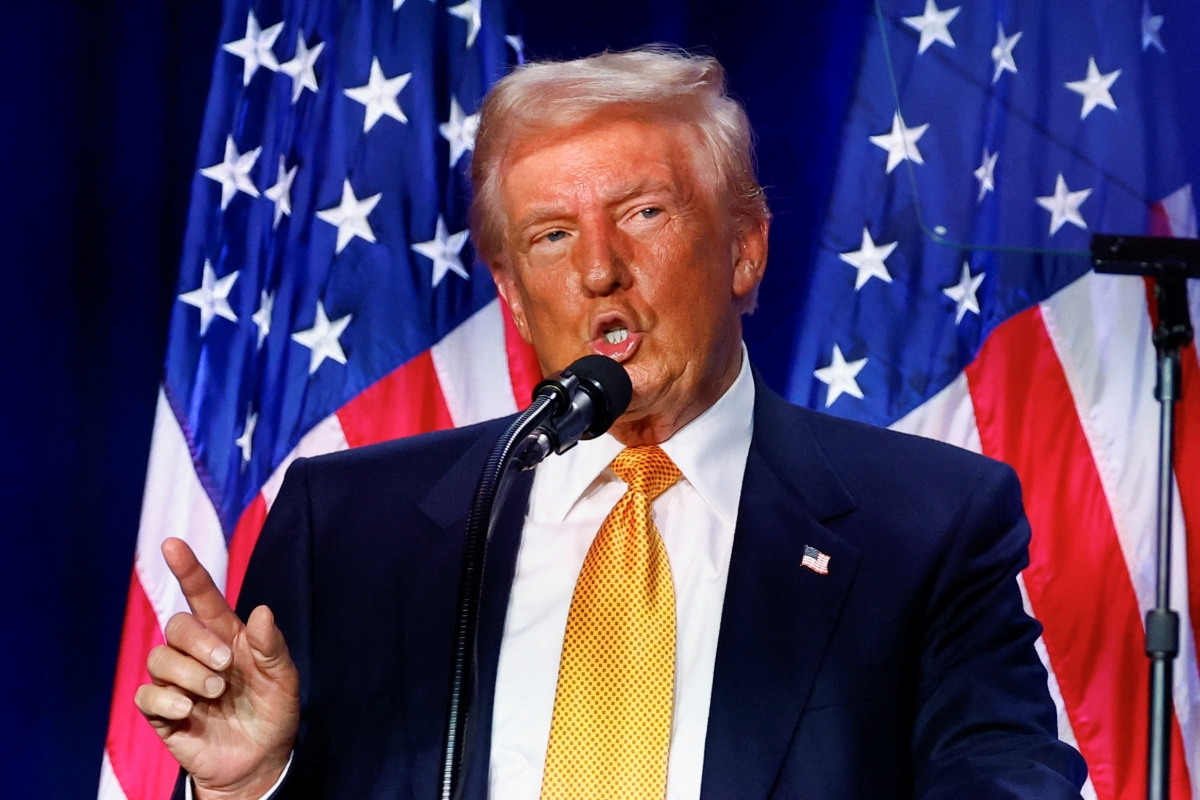
Justice Department officials have pushed back, insisting the redactions are necessary to protect victims and sensitive information. In an interview with NBC News, Deputy Attorney General Todd Blanche said the department was “doing everything we’re supposed to be doing,” emphasizing that federal law also requires safeguarding victims’ identities.
Still, the explanations have not satisfied critics, particularly after Mark Epstein publicly alleged that the administration is sanitizing the files before their release. Speaking by phone on the cable network NewsNation, Mr. Epstein claimed that documents were being processed at a secure federal facility in Winchester, Va., where names of Republican figures were allegedly being removed.
Mr. Epstein did not provide evidence to substantiate his claim, which the Justice Department declined to address directly. But his remarks have intensified suspicion among transparency advocates, who point to the FBI’s Central Records Complex in Winchester — a highly secure archive used to store and process vast quantities of sensitive records — as a plausible site for large-scale document handling.
The controversy has been further fueled by President Trump’s sudden shift in posture. After months of resistance, he recently signed the Epstein Transparency Act into law, authorizing the release of the documents. The reversal has prompted speculation about whether political pressure or legal vulnerability drove the decision.
Historians and legal scholars note that the situation bears echoes of past presidential scandals. During Watergate, President Richard Nixon released heavily redacted transcripts of Oval Office recordings rather than the tapes themselves — a strategy that ultimately deepened public mistrust and accelerated congressional action.
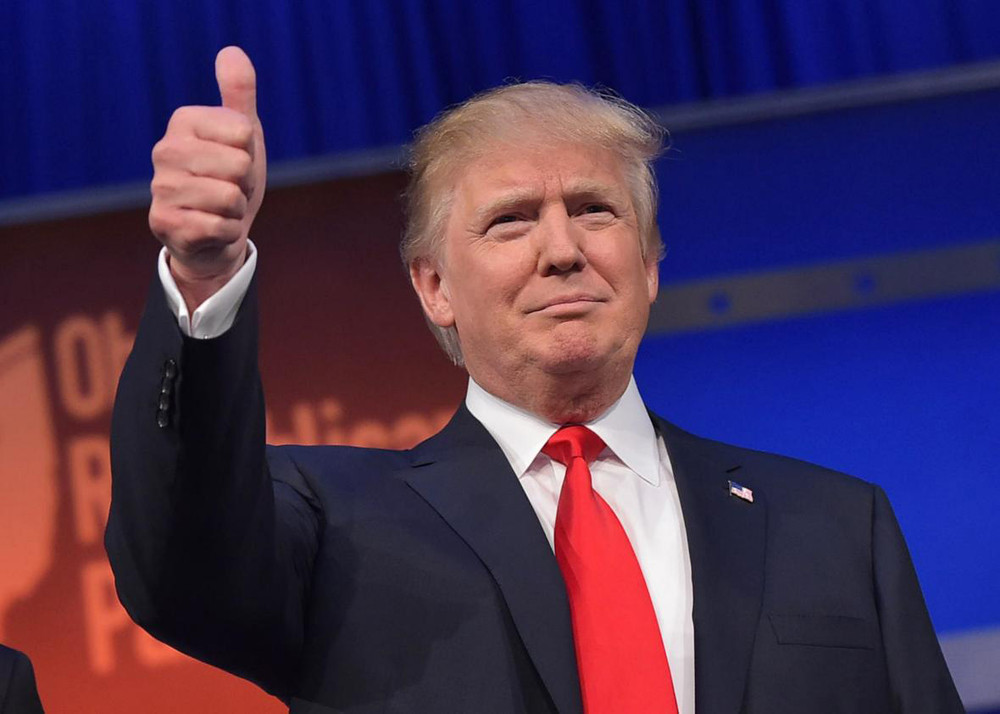
“There’s a long history of redactions backfiring,” said one former federal prosecutor, speaking on condition of anonymity to avoid political repercussions. “When the public senses that information is being selectively withheld, it tends to raise more questions than it answers.”
Photographs showing Mr. Trump and Mr. Epstein together have circulated publicly for years, taken during social events in the 1990s. While no evidence has emerged that Mr. Trump was involved in Epstein’s crimes, critics argue that removing or obscuring references to him — if that occurred — would undermine confidence in the review process.
Democratic lawmakers are now considering litigation to compel the full release of the files, while others caution against rushing to punitive measures before the review process is complete.
For victims’ advocates, the focus remains on accountability. “Transparency is not about politics,” said one advocate for survivors of sexual abuse. “It’s about understanding how this network operated and who enabled it.”
As Congress debates its next steps and the Justice Department continues its review, the central question persists — one that has echoed through decades of American political scandal: What did powerful figures know, and when did they know it?
For now, the Epstein files have delivered not closure, but another chapter in a saga that continues to test public trust in institutions meant to uphold the law.