“The Tape Tells a Different Story”: Congress Confronts ICE Claims as Cases of Citizens, Veterans, and Military Families Emerge
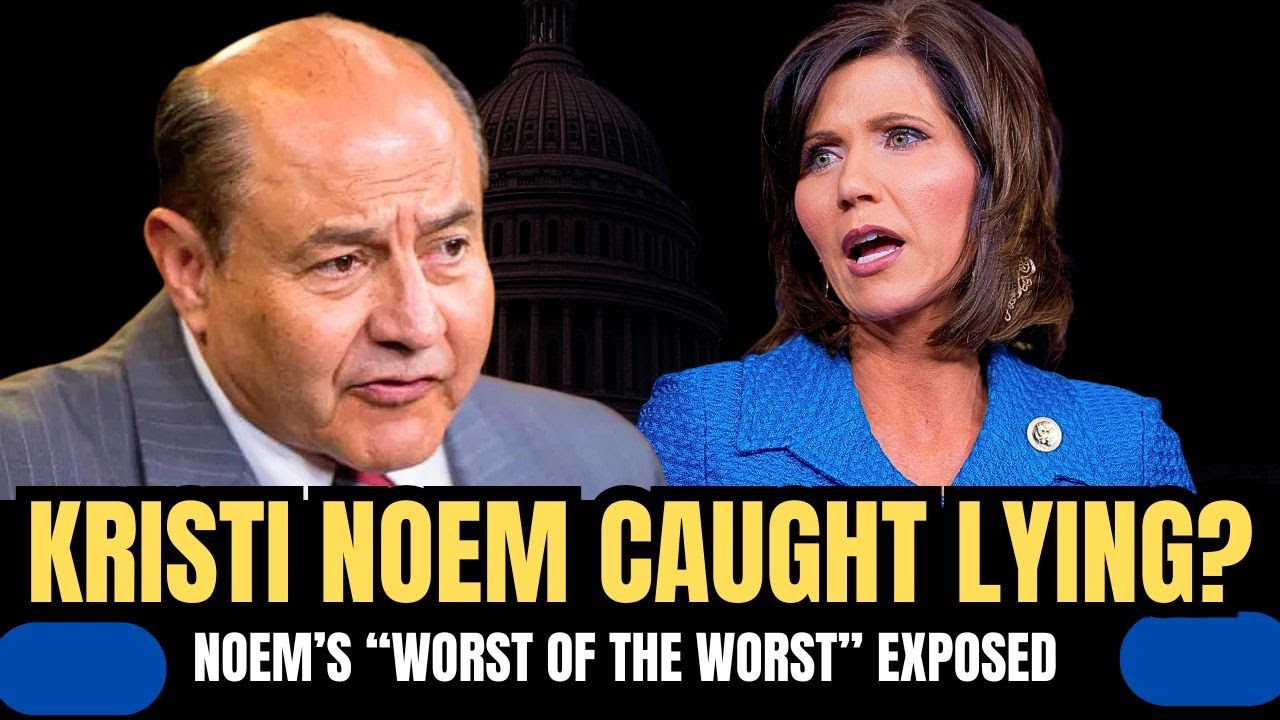
For months, the Trump administration has advanced a clear and forceful message about immigration enforcement. ICE, officials insist, is focused on “the worst of the worst” — violent criminals who pose a direct threat to public safety. But during a recent congressional hearing, that narrative began to unravel under the weight of specific cases, video evidence, and sworn testimony, raising urgent questions about due process, discretion, and the limits of state power.
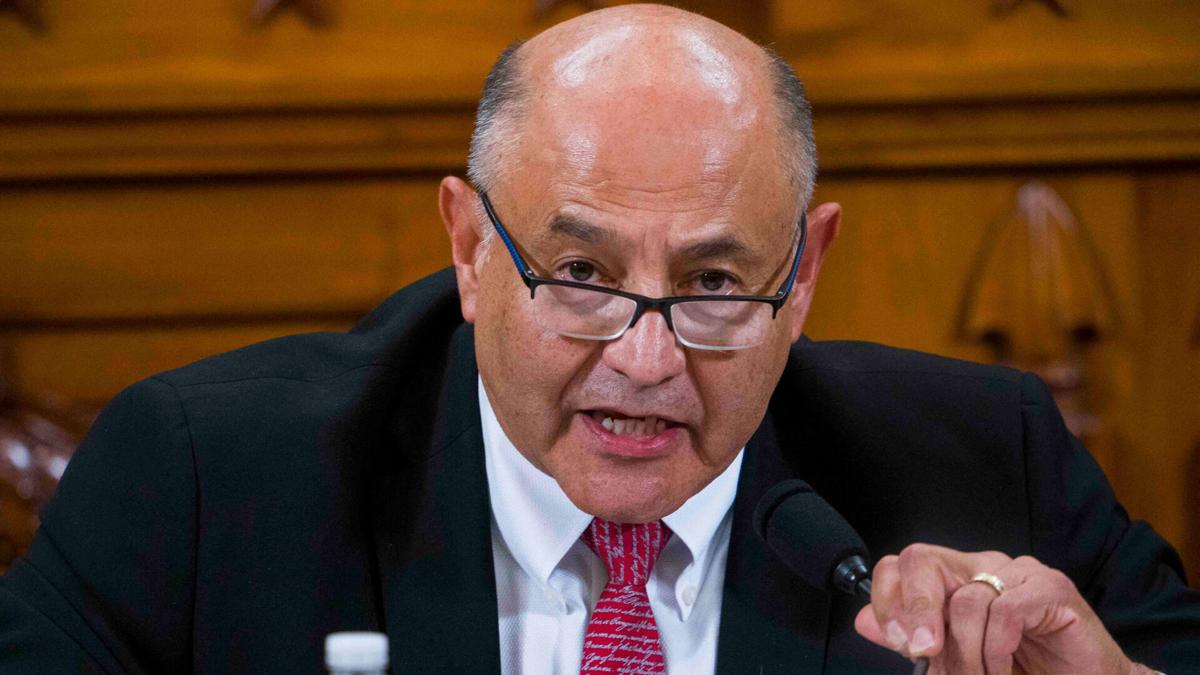
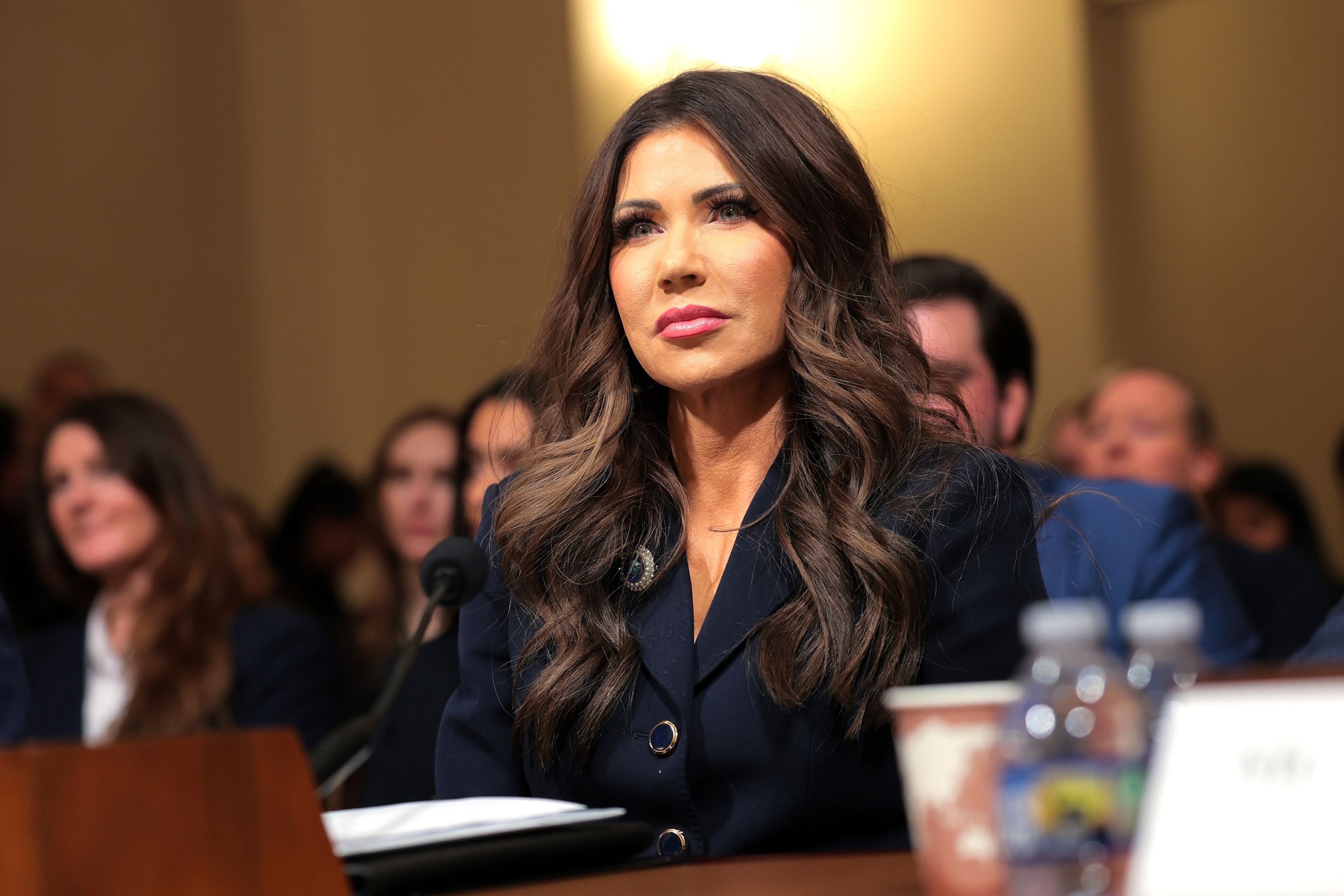
The confrontation came when Representative Lou Correa of California challenged Homeland Security Secretary Kristi Noem with a series of documented incidents that sharply contradicted the administration’s public claims. According to data cited during the hearing, roughly 70 percent of those arrested in recent ICE operations have no criminal record. The individuals highlighted were not gang members or violent offenders, but lawful permanent residents, undocumented immigrants with deep community ties, U.S. citizens, military veterans, and the parents of active-duty Marines.
One of the most striking cases was that of Donna Hughes Brown, a 48-year green card holder who has lived in the United States for decades. Brown, an Irish citizen, is the mother of a U.S. Marine and the sister of a retired Army colonel. She has been held in ICE detention since July after attempting to return from Ireland. Her offense: writing two bad checks totaling less than $80 more than ten years ago. Her husband, Jim Brown — a minister who voted for President Trump — told members of Congress that he supported the administration believing it would focus on criminals, not families like his own.
Another case involved Narciso Barranco, an undocumented immigrant who has lived in the United States for 30 years without so much as a traffic citation. Barranco, a landscaper, is the father of three Marines, including two currently on active duty. Video footage played during the hearing showed masked federal agents pinning him to the ground and repeatedly striking him before placing him into an unmarked vehicle. While the Department of Homeland Security claimed Barranco assaulted officers with a weed whacker, the video reviewed by journalists did not show him striking anyone. His son, a retired Marine, sat behind Correa as the footage was shown.
The hearing also revealed the case of George Rhee, a 25-year-old U.S. citizen and Army veteran who served in Iraq. Rhee was stopped at an immigration checkpoint, subjected to tear gas, pepper spray, and physical force, and detained for 72 hours without charges. According to testimony, he was not even given the opportunity to wash off the chemical agents used against him. For critics, the detention of an American citizen without charges crossed what should be an inviolable constitutional line.
What made the moment particularly powerful was not rhetorical outrage, but evidence. Correa did not rely on hypotheticals or partisan framing. He presented names, videos, dates, and family members — some of them present in the hearing room. The administration’s justification, repeated for months, could not easily withstand the record now entered into Congress.
At its core, the controversy is not solely about immigration policy, but about the legal principles that govern enforcement. U.S. law requires discretion, proportionality, and due process. Even undocumented immigrants retain constitutional protections, and U.S. citizenship is meant to be an absolute safeguard against arbitrary detention. When citizens are jailed without charges, lawful residents are held over minor, decades-old offenses, and force is applied amid conflicting evidence, critics argue that enforcement has crossed into systemic abuse.
The military-family dimension added another layer of tension. The administration frequently invokes patriotism and support for the armed forces, yet the cases highlighted involved parents who raised Marines and veterans who served in combat. For those families, service and sacrifice appeared to offer no protection. That contradiction, lawmakers argued, represents not just a policy failure but a profound breach of trust.
Congressional oversight exists precisely for moments like this. It is designed to test executive power against facts, law, and constitutional limits. As the hearing made clear, once enforcement agencies are allowed to redefine “public safety” in ways driven by optics or political pressure, the issue extends beyond immigration. It becomes a question of whether rights are conditional, whether citizenship is secure, and whether any community can be confident that the law will protect rather than punish them.
The tape, as Correa and others emphasized, tells a different story than the slogans. And as long as that gap remains unresolved, the debate over immigration enforcement will continue to be not just about borders, but about the integrity of American democracy itself.