By XAMXAM
A Surge of Lawmakers Revives Impeachment Debate — but Not the Chaos Headlines Suggest
Claims that the **U.S. Senate “erupted in chaos” as 140 lawmakers from both parties demanded an immediate impeachment vote against Donald Trump appear to be online exaggerations rather than a reflection of confirmed events on Capitol Hill. There is no verified reporting from major news outlets that the Senate experienced violent disorder, bipartisan impeachment demands, or protester occupations as described in social-media posts and viral videos. That said, impeachment discussions and related congressional dynamics are very real and politically significant in 2026.
Impeachment Activity in the House of Representatives
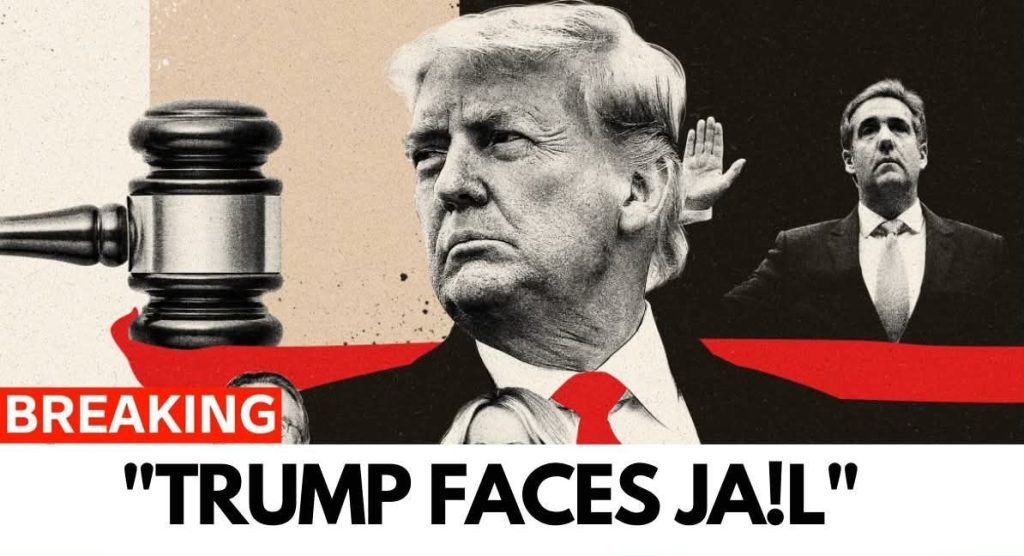
What is documented is movement in the House regarding impeachment efforts. In December 2025, 140 members of the U.S. House of Representatives voted to advance a resolution related to impeachment articles introduced by Representative Al Green, reflecting increased support compared with earlier votes on similar measures. This resolution accuses the president of abuses of power and incitement of violence, among other claims.
That vote was procedural in nature and part of a broader push by some Democrats to hold the president accountable on constitutional grounds. It does not represent an impeachment conviction, a Senate vote, or anything that would immediately remove a president from office.
Impeachment Process Is Complex and Multi-Stage
Under the U.S. Constitution, impeachment is a two-stage process:
-
The House of Representatives must approve articles of impeachment by a simple majority.
-
The Senate then conducts a trial, and a two-thirds majority is required for conviction and removal.
Although 140 House members have signaled support for advancing articles — a notable level of backing — this still falls short of an official impeachment vote on the House floor, and the Senate has not convened any such trial. The Senate also remains controlled by Republicans, making conviction unlikely absent significant cross-party endorsements.
The Context: War Powers, Venezuela, and Congressional Discontent
Part of the broader debate driving these impeachment discussions stems from controversy over the Trump administration’s unilateral use of military authority, particularly in relation to Venezuela. U.S. lawmakers from both parties have raised constitutional concerns about military actions undertaken without explicit congressional authorization. Some Democrats and a small number of Republicans have pushed war powers resolutions in both chambers in response to those actions.
These disputes reflect longstanding institutional friction between the executive branch and Congress over war powers — a tension embedded in the 1973 War Powers Resolution, which requires the president to seek congressional authorization for sustained military engagements.
No Bipartisan Impeachment Coup
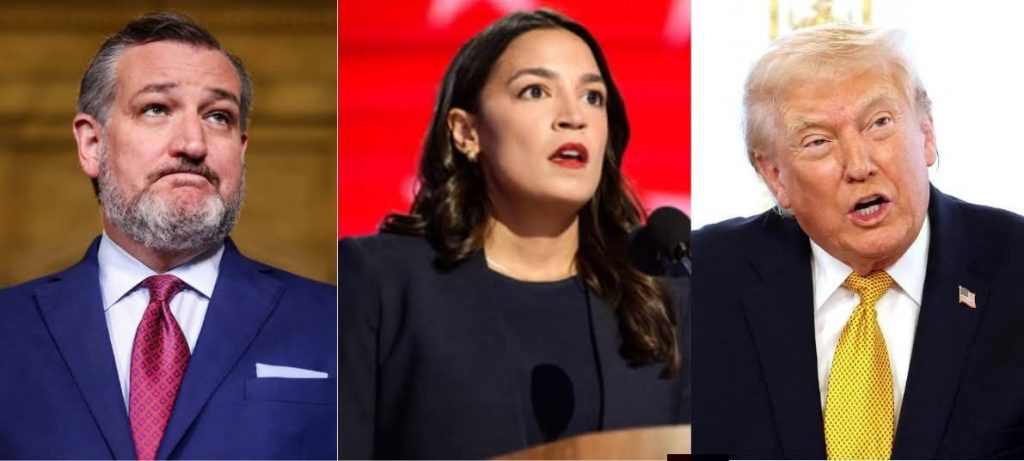
The depiction of “progressive firebrands” teaming with conservative stalwarts in a sudden, bipartisan impeachment revolt is not supported by verified reporting. While individual legislators — including some Republicans — have expressed frustration or constitutional concerns about specific executive actions, this has not translated into a broad, formalized, Senate-level push to impeach the president.
Social media accounts and unverified posts amplify a narrative of chaos and cross-party alliance that does not align with how impeachment mechanics work in practice. Impeachment is driven by formal resolutions, committee deliberations, and recorded votes — not spontaneous floor upheavals or unconfirmed petitions.
Political Firestorm vs. Institutional Reality
It is true that impeachment remains a live political issue in 2026. The House vote advancing articles signals activist momentum among some lawmakers who believe the president has overstepped constitutional limits. At the same time, the broader legislative milieu is deeply divided:
-
Republicans control the Senate and hold a narrow House majority, complicating efforts to secure the necessary votes for impeachment and conviction.
-
War powers and executive authority are ongoing flashpoints, leading to legislative action that may constrain presidential military decisions without invoking impeachment.
-
Public opinion and midterm elections figure heavily into lawmakers’ calculations about whether pursuing impeachment would help or hurt their political standing.
These are institutional processes unfolding openly within the formal structures of Congress, not clandestine “deep-state purges” or extralegal revolts.
Why Misinformation Spreads
Claims of “chaos” and “bipartisan revolt” around impeachment are typical of a broader trend in online political discourse, where emotionally charged narratives spread rapidly regardless of factual grounding. Viral headlines often conflate:
-
grassroots support for accountability actions,
-
internal party disagreements over policy,
-
and formal procedural votes,
into a dramatic storyline detached from confirmed events.
Responsible analysis must distinguish verified legislative activity from amplified online speculation. In this case, impeachment discussions are real — but they remain bound by constitutional procedures and confirmed legislative actions, not the dramatic events portrayed in unverified social media narratives.