WASHINGTON — A federal judge in Washington has signaled that the dispute over deportation flights to El Salvador is no longer a procedural quarrel about paperwork and timing. It is, in his view, an inquiry into whether senior government officials deliberately brushed aside a court order — and whether the Justice Department’s sweeping claims of privilege are being used to keep key facts from public view.
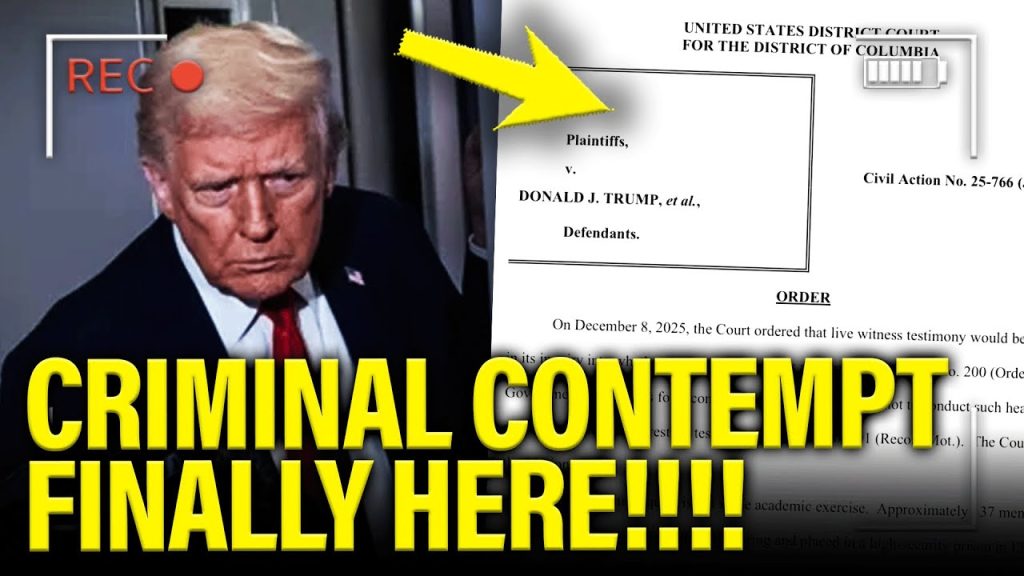
Chief Judge James E. Boasberg of the U.S. District Court for the District of Columbia has intensified a contempt inquiry tied to a set of March deportations of Venezuelan men who were flown to a high-security prison in El Salvador. The case has become one of the most direct clashes of the year between the judiciary and the Trump administration, pitting a judge’s authority to enforce his orders against an executive branch insisting it acted lawfully — and warning that further probing threatens core separation-of-powers principles.
At the center of the judge’s inquiry is a simple question with extraordinary implications: when Boasberg ordered the administration to halt removals — including a directive delivered from the bench to turn planes around — did officials knowingly proceed anyway?
Boasberg has said the record to date is not enough to answer that. In recent filings, Homeland Security Secretary Kristi Noem has acknowledged that she made the decision not to return the planes after receiving “privileged legal advice” from the Department of Homeland Security’s acting general counsel and, through him, “senior leadership” at the Justice Department. Boasberg called her declaration “cursory,” saying it did not provide enough detail for him to determine whether her actions amounted to a willful violation of his order.
He has also sought live testimony from two Justice Department lawyers: Erez Reuveni, a former government attorney who has emerged as a whistleblower figure in the case, and Drew Ensign, a senior official in the department’s civil division. Boasberg set dates for their testimony in mid-December, framing the hearings as necessary to resolve whether a contempt referral is warranted.
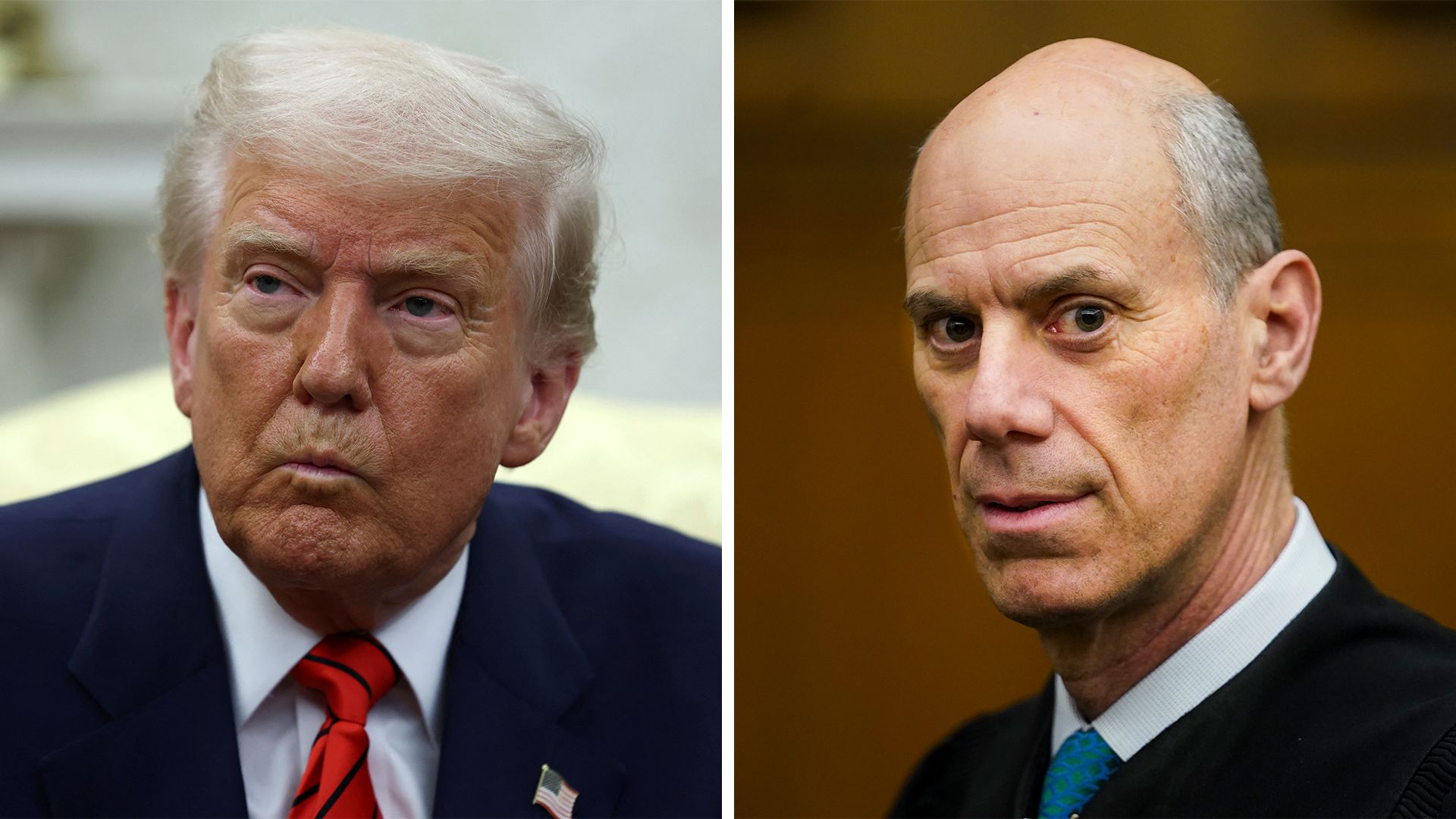
The administration has fought back aggressively. In filings and public statements, Justice Department officials have argued that Boasberg’s contempt inquiry is improper and that the judge should be blocked — even removed from the case — by the federal appeals court. Attorney General Pam Bondi has characterized the inquiry as “lawless judicial activism,” and the department has asked the U.S. Court of Appeals for the D.C. Circuit to halt the proceedings.
A three-judge panel has temporarily paused the contempt proceedings while it considers the Justice Department’s request, an unusual intervention that underscores the high-stakes nature of the conflict.
The legal argument now hinges on more than whether an oral directive carries the same force as a written order — though the administration has leaned heavily on that distinction. It also turns on privilege: the government’s claim that attorney-client privilege, work-product doctrine, and executive privilege prevent it from providing a fuller account of internal deliberations surrounding the flights
Boasberg has indicated skepticism, noting that privilege assertions are not self-enforcing and that courts can require specificity. He has also pointed to a long-recognized limitation in American law: the “crime-fraud” exception, which can defeat privilege claims when communications are used to further unlawful conduct — a particularly relevant principle, he suggested, if the inquiry is into potential criminal contempt of court.

The case’s political resonance is impossible to miss. Republicans have attacked Boasberg and President Trump has publicly called for his impeachment, while critics of the administration argue that the flights represent an extreme expansion of executive power — removing people from U.S. soil and placing them into foreign custody with limited opportunity to challenge the government’s claims.
The Supreme Court has also loomed over the dispute. According to reporting on the case, the Court later found that the deported men were denied adequate legal rights — a ruling that, while not resolving every procedural question in Boasberg’s courtroom, has sharpened the underlying due-process stakes that fueled his initial intervention.
For now, the contempt inquiry has become a kind of constitutional stress test: Can a federal judge compel testimony about how the executive branch handled a time-sensitive deportation operation? Or can the administration successfully argue that the inquiry itself crosses a line — chilling internal legal advice and threatening the presidency’s ability to act?
If the hearings proceed, the testimony could provide the clearest public account yet of what officials knew, when they knew it, and how they interpreted — or chose not to interpret — a judge’s command. If the hearings remain blocked, Boasberg may still attempt to make findings based on the existing record, setting up a new round of appeals and, potentially, a defining precedent about what it means for a court order to be “ignored” in an era of hardball governance.