Dan Goldman Blasts Jim Jordan Over Secret Jack Smith Deposition
WASHINGTON — When Representative Dan Goldman emerged from a closed-door deposition this week, his frustration was unmistakable. The testimony he had just heard, he said, should not have taken place in secret. The witness, Jack Smith, was not an obscure official or a minor player, but the special counsel whose investigations into Donald Trump have been the subject of years of partisan attacks. Yet the hearing had been conducted entirely out of public view, under the authority of Judiciary Committee Chairman Jim Jordan.
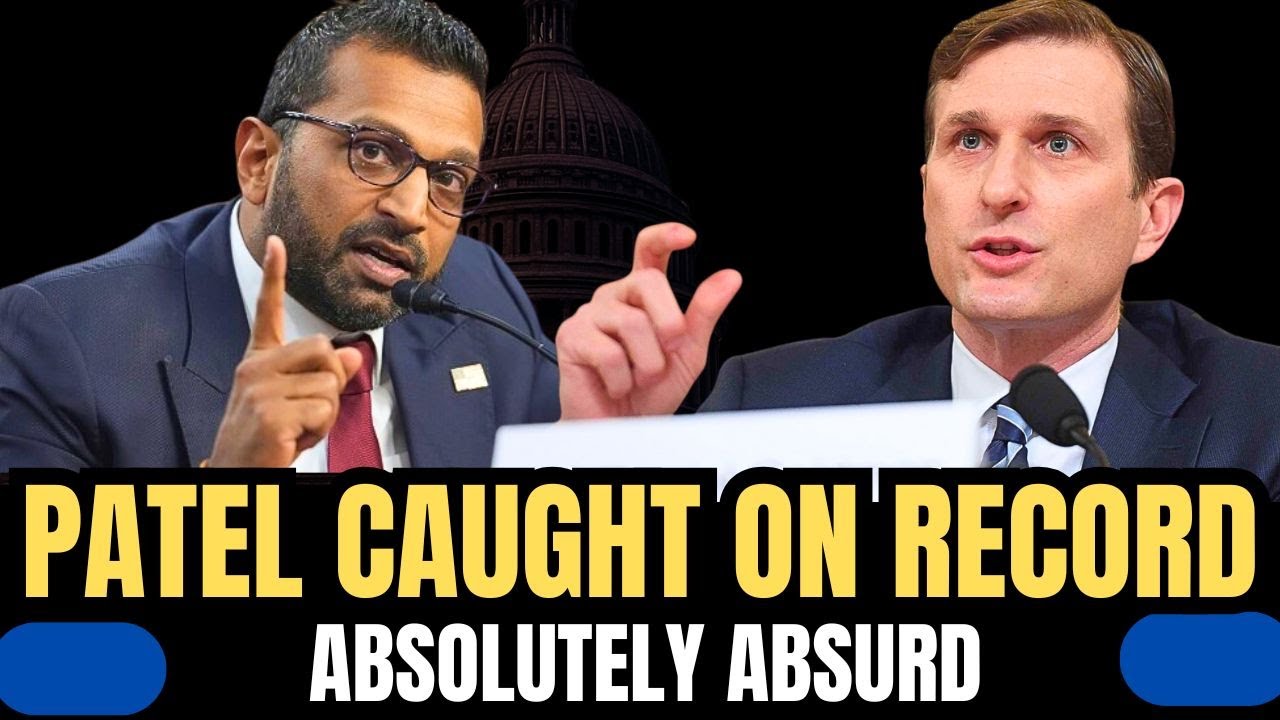
Mr. Goldman called the decision “absolutely absurd.” In his view, the secrecy surrounding the deposition undermined the very premise of congressional oversight. If Republicans genuinely believe that Mr. Smith engaged in misconduct, he argued, the American people should hear the testimony themselves — not through selectively released excerpts or partisan summaries.
The dispute highlights a growing conflict on Capitol Hill over who controls politically sensitive information and how it is presented to the public. Closed-door hearings are not unusual in Congress, particularly when classified material is involved. But special counsels have historically testified publicly when their work becomes a focal point of national controversy. In this case, the accusations against Mr. Smith — that he acted with political bias or abused his authority — have been broadcast repeatedly by Mr. Trump and his allies. The evidence to support or refute those claims, however, remains largely inaccessible.
According to Mr. Goldman, Mr. Smith spent much of the deposition directly addressing those allegations. He denied that political considerations played any role in his decisions and described investigations that were evidence-driven, methodical and consistent with prosecutorial norms. Mr. Goldman said the special counsel made clear that the indictments produced by his office were detailed and trial-ready, and that they would likely have resulted in convictions had they been adjudicated before Mr. Trump returned to office.
That assertion cuts to the heart of the controversy. Mr. Trump has long portrayed the prosecutions as partisan “witch hunts,” while Democrats argue that the cases stalled or collapsed not because of legal weakness, but because of timing, court delays and ultimately the election. Mr. Goldman went further, saying that the only reason Mr. Trump did not face trial was the intervention of the courts and his subsequent return to the presidency.
The secrecy of the deposition, Mr. Goldman warned, creates a more immediate danger: selective disclosure. When testimony is hidden, the majority party controls which lines are released, when they are released and in what context. A phrase lifted from hours of questioning can be framed as incriminating, even if the full exchange tells a different story. Oversight, Mr. Goldman suggested, risks becoming narrative construction rather than fact-finding.
He also pointed to another unresolved issue: the continued suppression of the second volume of the special counsel’s report. That portion, he said, has not been released not because of any action by Mr. Smith, but because a federal judge in Florida has declined to authorize its publication for nearly a year. Without it, Congress and the public lack access to findings that could clarify Mr. Trump’s conduct and the rationale behind charging decisions.
Equally striking was Mr. Goldman’s claim that, upon returning to office, Mr. Trump’s Justice Department swiftly dismissed cases against several of his co-defendants — decisions that Mr. Goldman said had no basis in the evidence or the law. If accurate, such actions would raise serious questions about political interference, undercutting Republican assertions that their inquiry is motivated by a desire to uphold impartial justice.
The broader context makes the episode unusual. In modern history, Mr. Smith is the only special counsel whose testimony has not been aired publicly and whose full report has not been provided to Congress. To Democrats, that pattern looks intentional: an effort to discredit a prosecutor while keeping the factual record out of view. To Republicans, the closed-door format is framed as a legitimate investigative step. But even some former congressional staff members say the approach carries risks, fueling suspicion rather than clarity.
At stake is more than a single deposition. The episode reflects a deeper struggle over transparency and trust at a moment when confidence in institutions is already fragile. Congressional oversight is meant to expose facts, not to ration them. When hearings are hidden and records withheld, lawmakers surrender the opportunity to let the public judge credibility for itself.
Mr. Goldman has called for a public hearing, arguing that Americans deserve to see Mr. Smith testify openly, observe his demeanor and evaluate his answers without intermediaries. Whether that demand is met remains uncertain. But the controversy underscores a familiar truth in Washington: in an era of polarized politics, secrecy often speaks louder than accusations — and invites more questions than it resolves.