WASHINGTON — What unfolded during a House committee hearing this week went well beyond the familiar rhythms of partisan sparring. In a lengthy and unusually blunt statement, Representative Bennie Thompson of Mississippi accused the secretary of homeland security, Kristi Noem, of violating the law, misusing public funds and systematically evading congressional oversight. He concluded with a demand rarely made so directly: that she resign.
The exchange underscored a deeper struggle over the boundaries of executive power and the mechanisms designed to restrain it. At issue was not a single policy dispute but an accumulation of allegations — ranging from improper contracting and misuse of taxpayer resources to unlawful enforcement actions and obstruction of congressional review — that Thompson said had made the Department of Homeland Security less effective and the country less safe.
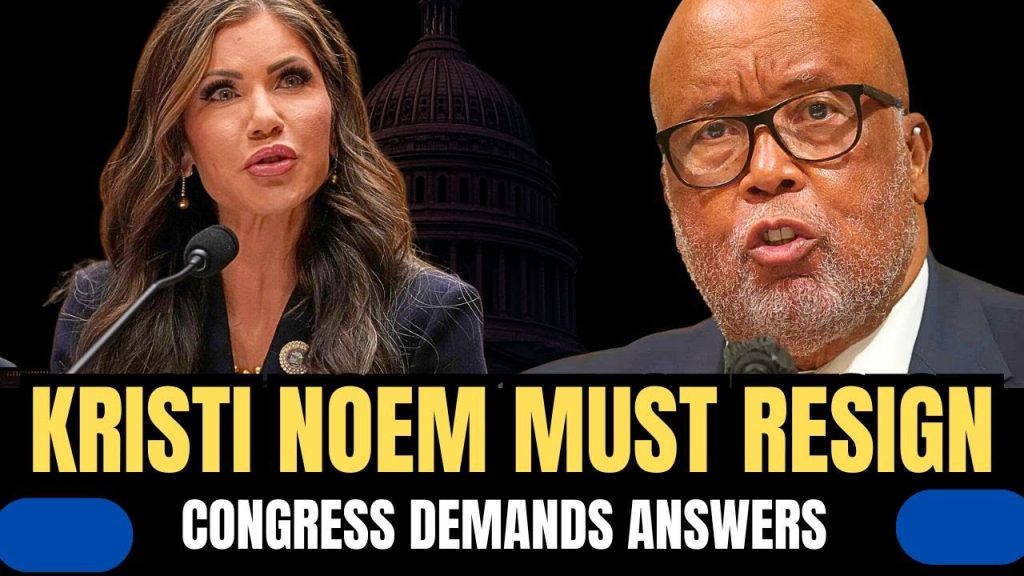
At the center of Thompson’s remarks was oversight itself, a constitutional function often overshadowed by legislation and elections. Congress, he reminded the room, does not merely create agencies like DHS; it is charged with monitoring how they operate. That responsibility, he argued, has been repeatedly undermined.
Thompson criticized the absence of the F.B.I. director from the hearing and noted that committee members received the secretary’s testimony only shortly before proceedings began, a departure from long-standing practice. He also pointed to what he described as a pattern: unanswered letters, delayed document production and infrequent appearances by senior DHS officials before Congress.
Those procedural concerns, Thompson argued, were inseparable from substantive ones. He accused the department of diverting funds appropriated for counterterrorism, cybersecurity and disaster preparedness toward self-promotional contracts and luxury travel. In his telling, money meant to protect churches, synagogues, hospitals and infrastructure had instead been spent on private jets and contracts benefiting political allies.
Such claims, if substantiated, would raise questions not merely of judgment but of stewardship. Federal agencies are bound by law to use appropriated funds for the purposes Congress specifies. Deviations are not simply policy disagreements; they can constitute violations of federal spending rules.
Even more consequential were Thompson’s allegations about enforcement practices. He accused DHS under Noem’s leadership of disregarding court orders, retaliating against whistleblowers and engaging in detentions and deportations that violated due process — including cases involving U.S. citizens. He cited reports of aggressive tactics used against civilians, clergy and veterans, arguing that constitutional protections had been treated as obstacles rather than obligations.
“You cannot enforce the law by breaking the law,” Thompson said, framing the issue as one of legitimacy rather than ideology.
The secretary did not respond directly during Thompson’s statement, which was delivered as part of his opening remarks. The Department of Homeland Security has previously denied allegations of unlawful conduct, saying its actions are necessary to enforce immigration laws and protect national security. Supporters of the administration argue that critics are conflating aggressive enforcement with illegality and using oversight hearings for political theater.
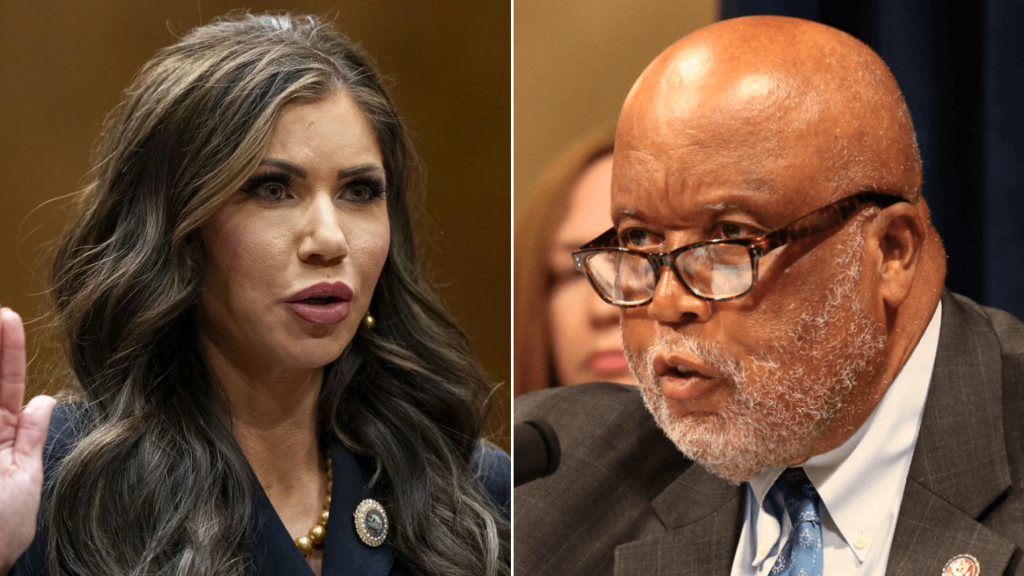
But Thompson’s critique extended beyond any single enforcement decision. He argued that leadership choices reverberate downward, placing frontline officers at legal risk and eroding public trust. When communities believe enforcement agencies operate without accountability, cooperation declines, tensions rise and security outcomes worsen.
That dynamic, Thompson suggested, represents a paradox: policies pursued in the name of safety can ultimately undermine it.
The hearing also highlighted a broader institutional concern. Oversight, while less visible than elections or court rulings, is one of the primary ways democracies correct themselves. When cabinet officials resist it — by limiting access, withholding information or minimizing appearances — the system’s ability to detect and correct abuses weakens.
Calls for resignation are rare in congressional hearings precisely because they signal a breakdown in confidence that cannot be resolved through incremental reform or clarification. Thompson’s demand reflected his conclusion that the problems he described were structural and ongoing, not isolated or inadvertent.
Whether that assessment gains traction beyond the hearing room remains uncertain. History suggests that resignation demands often depend less on rhetoric than on corroboration — inspector general reports, court findings or sustained public pressure.
Still, the episode marked a notable escalation. It reframed the debate over DHS leadership from one about policy priorities to one about constitutional limits. In that sense, the hearing was less about Kristi Noem as an individual than about how power is exercised within one of the federal government’s most expansive agencies.
For the public, the implications are direct. DHS touches immigration, aviation, cybersecurity, disaster response and counterterrorism. How it operates — and how closely it is monitored — affects daily life in ways both visible and unseen.
As Thompson concluded, accountability does not enforce itself. It depends on institutions willing to assert their authority and a public attentive enough to insist that they do. Whether this moment leads to consequences or fades into the background may help determine how durable those safeguards remain.