For nearly three months, the Philadelphia Eagles’ offense has been a riddle without an answer — a talented group stuck in neutral, unable to generate the consistency or explosiveness that once defined it. Each week brought the same questions about structure, identity, and leadership. And while offensive coordinator Kevin Patullo absorbed the bulk of the criticism, head coach Nick Sirianni remained largely hands-off, allowing his second year coordinator to run the show. Until now. According to reporting from ESPN’s Tim McManus, Sirianni has officially stepped deeper into the offense, signaling the most meaningful internal shift the team has made all season.
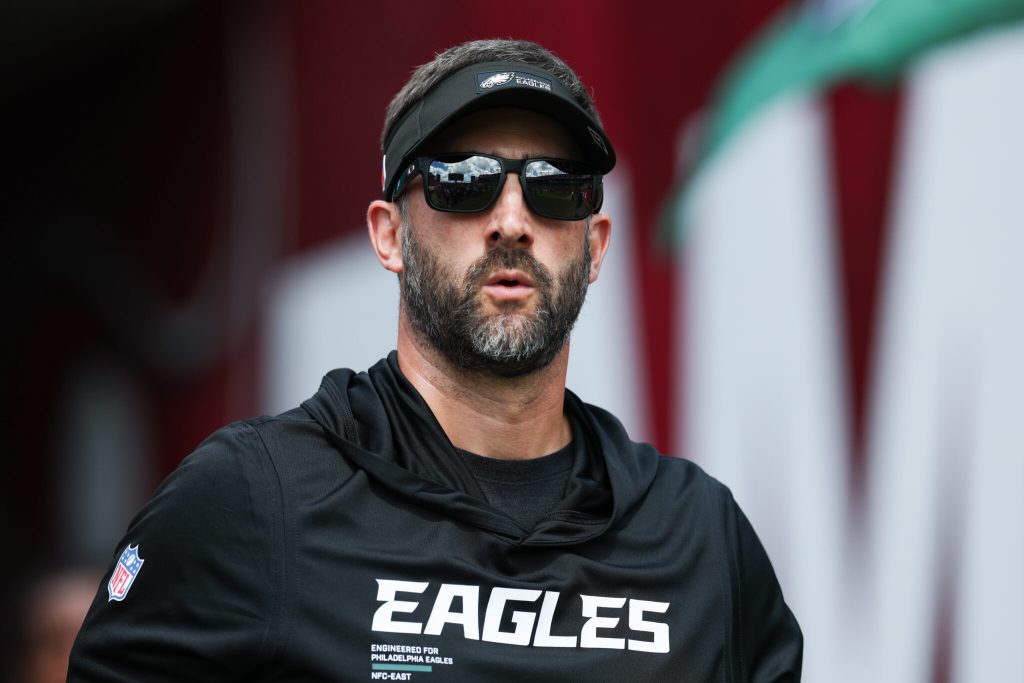
The change has not come subtly. Sources described Sirianni as “vocal” in offensive meetings, taking the lead in presenting plans, addressing players at the top of sessions, and shaping the weekly vision before ceding control to Patullo. It is not a complete takeover, but it is a clear recalibration — a head coach inserting himself into a unit that has not looked right since September. For a team that has averaged just 15.5 points per game over its last four contests, this intervention feels less like a creative tweak and more like an urgent course correction.
Sirianni’s history makes this moment particularly compelling. Despite being an offensive-minded coach who built his reputation as a meticulous game-planner, he has never been a full-time play caller. During his tenure as offensive coordinator in Indianapolis, that responsibility rested with head coach Frank Reich. Sirianni designed concepts, scripted sequences, and informed strategy — but the act of dialing plays in real time remained out of his hands. As a result, fans have long debated whether Sirianni should assume more control or whether Patullo deserved the space to evolve. Through the season’s first three months, Sirianni chose the latter. The team’s performance has now forced a reassessment.
The statistical evidence for change is overwhelming. The Eagles rank 24th in total offense, 23rd in passing, 22nd in rushing, and 19th in scoring — a dramatic drop for a team that fielded one of the league’s best offenses during its 2022 Super Bowl run and remained potent throughout 2023 and 2024. Drives have stalled, spacing has disappeared, and rhythm has become elusive. Philadelphia has often appeared disjointed, with route concepts lacking synergy and the run game suffering from inconsistent structure. The issues are technical, philosophical, and emotional — and Sirianni’s deeper involvement seeks to address all three.

Internally, this move carries delicate implications. Patullo remains the offensive coordinator and retains control of meetings once Sirianni steps back, but the dynamic has shifted. Patullo is no longer crafting the offense entirely from scratch; he is now executing Sirianni’s overarching vision, aligning concepts more tightly with the head coach’s standards. While some might interpret this as undermining the coordinator, the reality is the adjustment was inevitable. The offense needed recalibration. And Sirianni, as the man responsible for the team’s identity, could not continue watching the unit drift.
Players have not publicly criticized the current structure, but the lack of cohesion on the field has been evident. Communication has been inconsistent. Situational play-calling has wavered. And the sense of purpose that once energized this group has seemed muted. Sirianni’s increased presence aims to restore that clarity, offering a voice, a direction, and perhaps a hard reset that many inside and outside the organization felt was overdue.
The timing of the shift could not be more consequential. The Eagles remain in the playoff hunt, but their margin for error has narrowed. With the Los Angeles Chargers approaching in Week 14, the team faces a rare opportunity: the chance to reassert itself against a defense vulnerable enough to offer a spark, but disciplined enough to expose any lingering flaws. If Sirianni’s influence sharpens the game plan and reestablishes confidence, Philadelphia could build momentum at a critical moment. But if the offensive struggles persist, the questions surrounding leadership — and the long-term structure of the staff — will only grow louder.
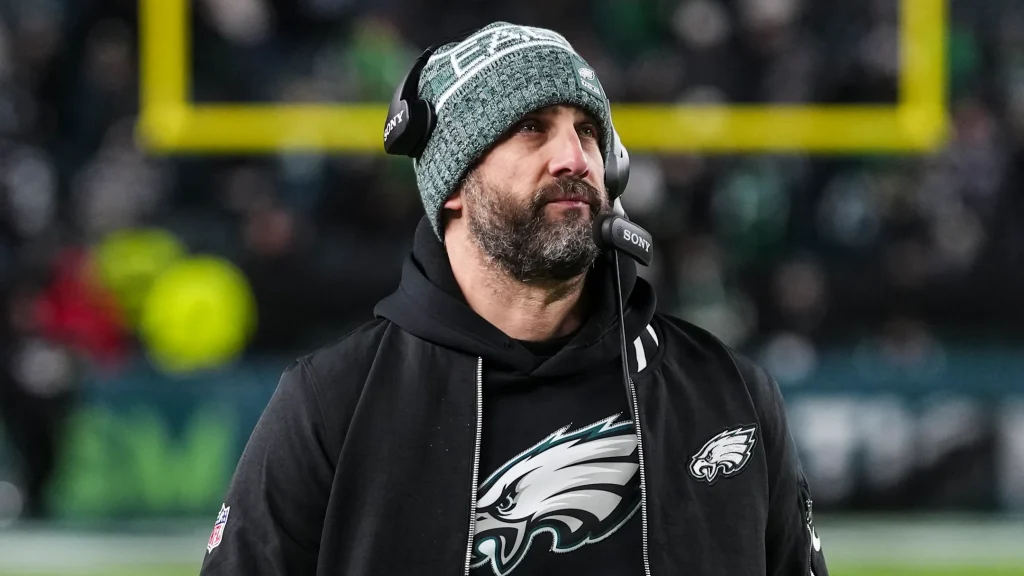
For now, Sirianni’s decision reflects accountability and urgency. It is a recognition that the offense cannot continue as constructed, and that the head coach must be more than a manager — he must be an architect. Whether this shift becomes a turning point or merely another footnote in a turbulent season will reveal itself in the weeks ahead. But after nearly three months of waiting, Eagles fans finally received a tangible sign that change has begun.