When the San Francisco 49ers entered the 2025 season, wide receiver depth was one of the biggest question marks hovering over the roster. Brandon Aiyuk’s situation was unraveling, Jauan Jennings was recovering from injury, and rookie Ricky Pearsall had yet to establish himself as an immediate contributor. So when general manager John Lynch signed veteran Demarcus Robinson to a two-year, $9.5 million contract, the move was widely viewed as a calculated risk — one that could either stabilize the receiver room or expose the team’s desperation.
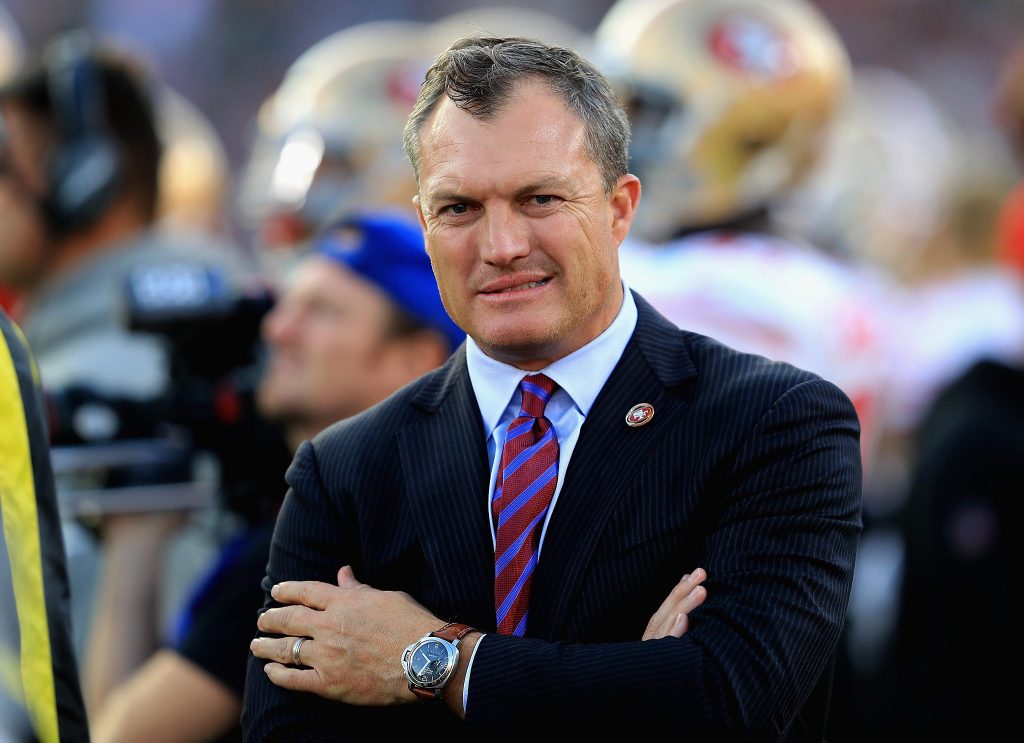
Three months into the season, that gamble hasn’t paid off. In fact, it has become one of the most disappointing offseason decisions Lynch has made during his tenure.
Robinson’s signing carried baggage from the start. Lynch knew the receiver was likely to miss the first three games of the season due to a 2024 DUI suspension, yet the 49ers still believed his upside was worth the wait. Robinson had just produced a career year with the Los Angeles Rams, recording 505 receiving yards and seven touchdowns while emerging as a steady red-zone target. The expectation was that he could replicate — or even expand — that production in San Francisco’s more structured, quarterback-friendly offense.
But instead of becoming a reliable third option for Brock Purdy, Robinson has struggled to carve out any meaningful role.
Through 10 games, he has totaled just 13 catches on 25 targets for 163 yards. His longest reception — a 31-yard gain — stands out only because the rest of his stat line lacks impact. He has yet to score a touchdown, has seen his snap count steadily decrease, and has been rotated in and out of the lineup with Kendrick Bourne, who also hasn’t emerged as a stable contributor.
For an offense that expected Robinson to be a dependable possession receiver and occasional mismatch weapon, the results have been disappointing.
Meanwhile, other options around Robinson have surged ahead. Jauan Jennings, after returning from injury, quickly re-established himself as Purdy’s most trusted wideout. Their chemistry — forged over Purdy’s first three seasons — has become one of the offense’s few consistent elements. Jennings remains the go-to target on third down and in contested-catch situations, a role many believed Robinson might share.
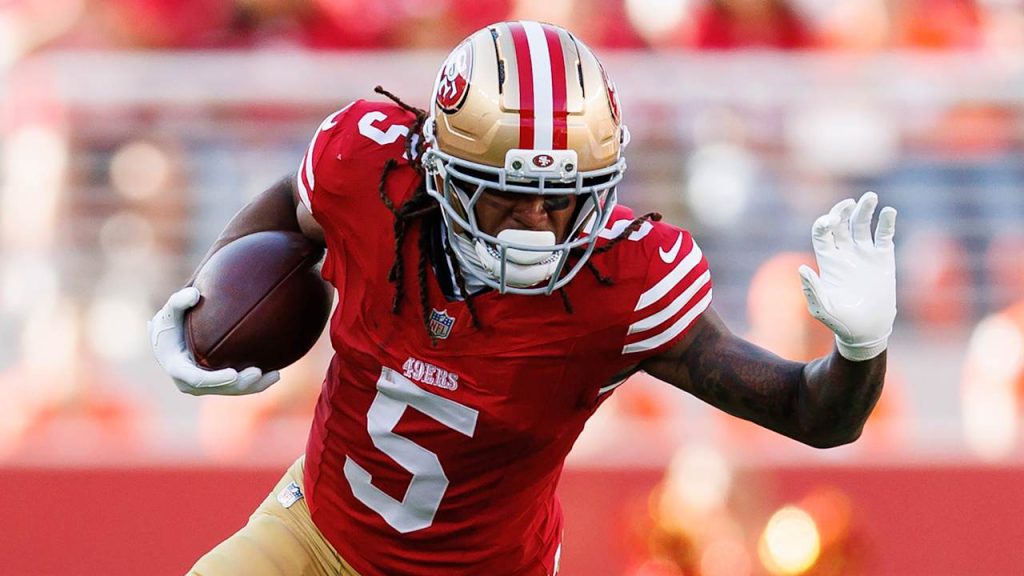
Ricky Pearsall, though not yet fully back to form after his knee injury, still carries more long-term value to the team given his versatility and draft pedigree. Even minimal flashes from Pearsall are enough to suggest he’ll remain part of the offensive future, unlike Robinson, whose fit has become increasingly uncertain.
The offensive structure hasn’t helped Robinson either. This season, the 49ers have leaned heavily on Christian McCaffrey’s multifunctional talents and George Kittle’s reliability underneath and in the seam. With San Francisco ranking near the bottom of the league in explosive passing plays, Purdy has gravitated toward familiarity — not experimentation. As a result, Robinson’s opportunities have shrunk even further.
And yet, the situation isn’t entirely closed. There remains a possibility — however small — that Robinson could become useful again should defenses begin aggressively bracketing Jennings or shading McCaffrey. In theory, that would create openings for a physical veteran like Robinson. But relying on hypothetical game-flow scenarios isn’t what the 49ers envisioned when they guaranteed him significant money for 2025 and 2026.
The gamble Lynch made wasn’t reckless; it was strategic. San Francisco needed insurance at wide receiver, and Robinson’s résumé suggested he could be exactly that. But through the first two-thirds of the season, the outcome has been unmistakable: the signing has fallen far short of expectations.
The 49ers will continue to push through the remainder of the year with their offensive core — McCaffrey, Kittle, Jennings and Pearsall — while hoping Robinson can provide something meaningful down the stretch. But as things stand now, Lynch’s offseason decision has become a rare misstep for a front office known for its calculated, efficient roster moves.
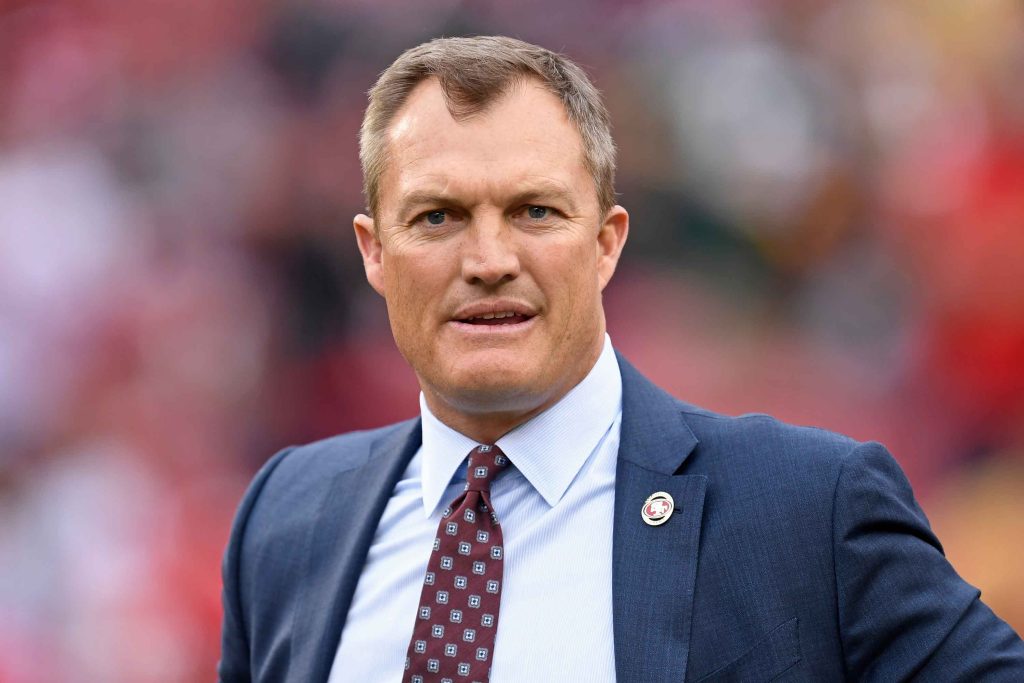
And with an increasingly uncertain future at the receiver position heading into 2026, the spotlight on this gamble — and its fallout — is only growing sharper.