The Detroit Lions marched into Week 15 knowing their season was entering a crossroads. A once-promising campaign had been battered by injuries, especially in the secondary, leaving the team scrambling for answers as the postseason race tightened. On Wednesday, general manager Brad Holmes delivered those answers — not with one splashy headline move, but with a cold, calculated roster shakeup that sent a clear message: Detroit is done patching holes. They’re rebuilding a backbone. The Lions claimed veteran safety Jalen Mills off waivers from the Houston Texans and waived tight end Hayden Rucci in a corresponding move, marking their second tight end departure in 48 hours.
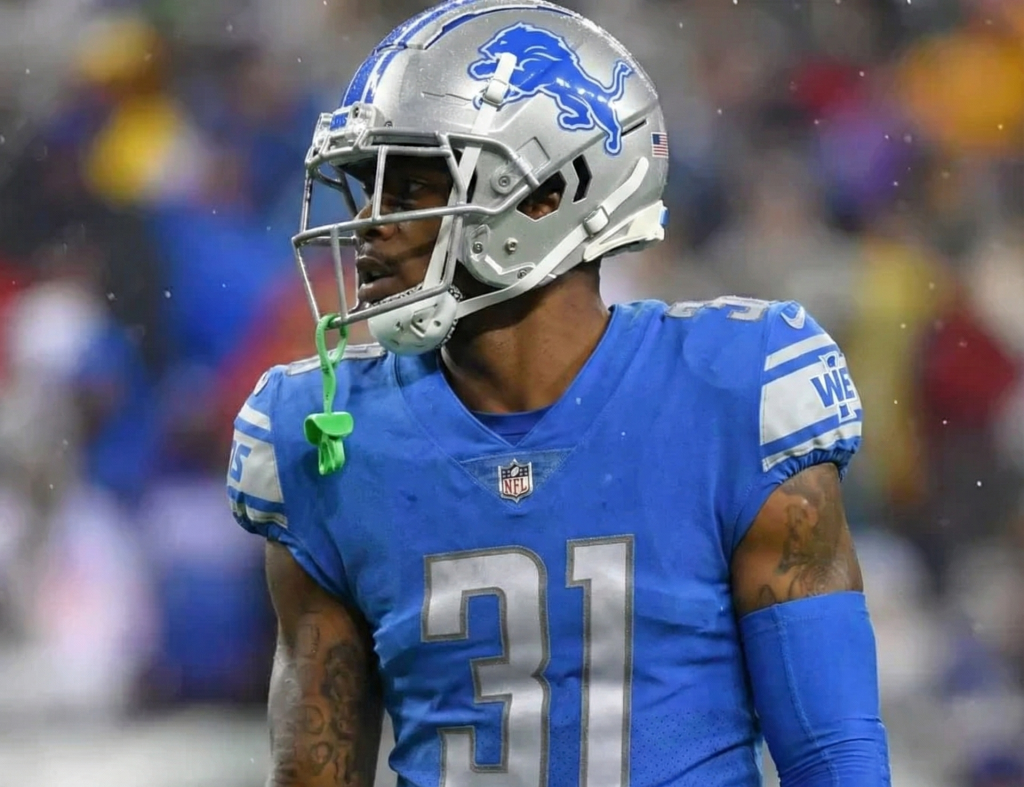
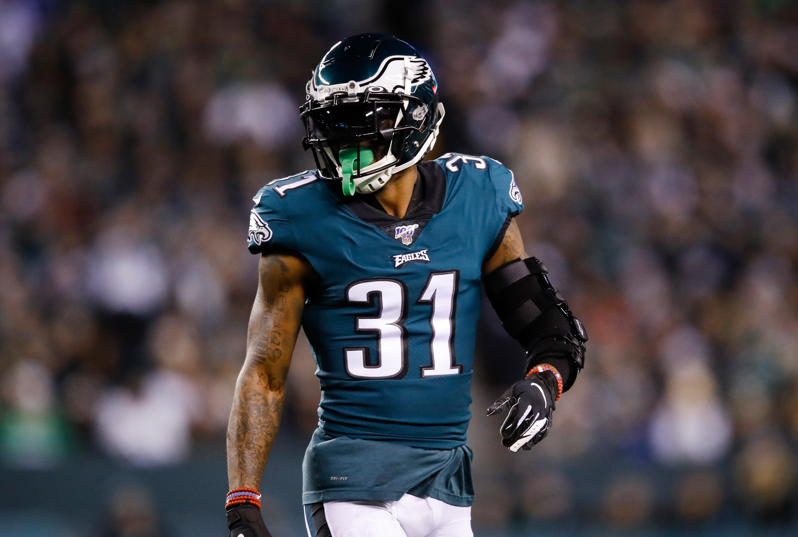
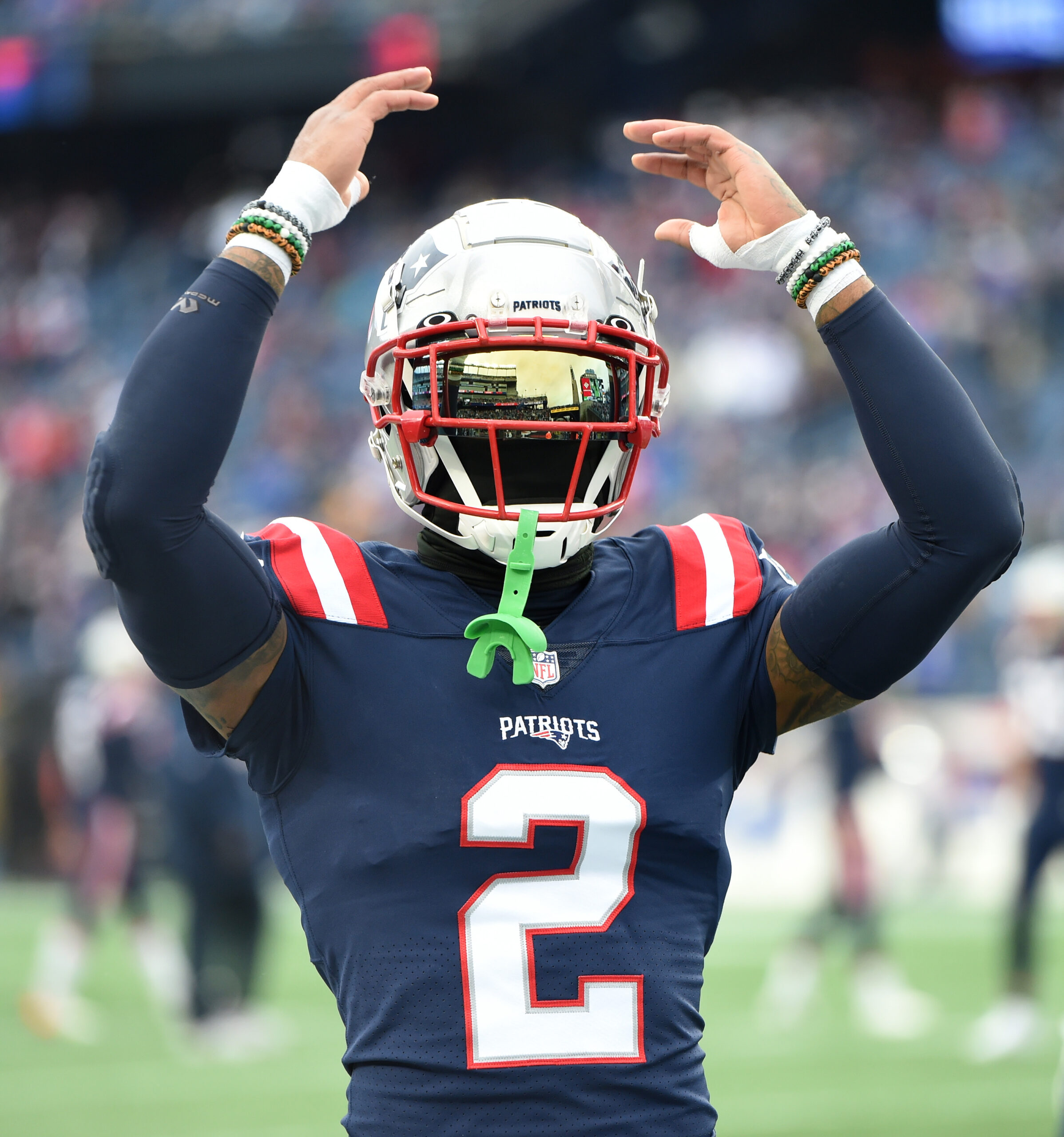
Mills represents the kind of battle-tested reinforcement Detroit desperately needed. A seventh-round gem out of LSU in 2016, he carved out a rugged NFL identity by shifting seamlessly from cornerback to safety during his time with the Philadelphia Eagles. That versatility became the signature of his career, allowing him to survive roster churn in New England, keep grinding through a stint with the Giants and Jets, and land a contract with Houston this offseason. Though used sparingly — just 48 defensive snaps in four games — his experience, toughness, and ability to fill multiple roles made him an immediate fit for a Lions defense gasping for stability.
His arrival gives defensive coordinator Kelvin Sheppard a much-needed veteran voice in a secondary gutted by injuries. The season-ending Achilles tear suffered by Pro Bowl safety Brian Branch left Detroit’s back end exposed. Kerby Joseph continues battling a draining knee issue. Rookie contributors have been stretched beyond their limits, while opponents have begun attacking Detroit deep and often. Sheppard has spent the last month assembling a rotation out of spare parts, but Mills brings the kind of experience that allows the scheme to breathe again.
Inside the building, the significance of the signing wasn’t lost. “We’ve been forced to adjust on the fly all year, but you can’t fake veteran presence,” one team assistant said privately. “Mills gives us someone who’s played every position back there. That matters in December.” His words echoed a sentiment felt across the locker room: Detroit doesn’t need flash — they need order, communication, and players who’ve survived late-season wars before.
Mills isn’t the only reinforcement. The Lions re-signed nickel corner Arthur Maulet earlier in the week, a move that now allows Avonte Maddox — another former Eagle familiar with hybrid roles — to slide into full-time safety duties if needed. And on Monday, Detroit added Damontae Kazee to the practice squad, giving the team a trio of veteran defensive backs who can rotate, adjust personnel groupings, and give Sheppard the flexibility he’s lacked for most of the season. With three crucial games left, the Lions are constructing a safety net in every sense of the phrase.
But Detroit’s roster shuffle wasn’t limited to defense. The decision to waive Hayden Rucci — one day after cutting Ross Dwelley — sent waves of confusion through the fanbase. With Rucci gone, Anthony Firkser stands as the lone tight end on the 53-man roster. The move seemed baffling on paper, but Detroit has contingency plans already in motion. Dan Skipper has been lining up as a blocking tight end in heavy packages, and there’s growing optimism that Shane Zylstra may return from injured reserve this week. If activated, Zylstra, Firkser, and Skipper could form a functional, if thin, tight end trio heading down the stretch.
The moves may not be glamorous, but they reveal a disciplined and intentional approach. Holmes is choosing versatility over volume, flexibility over placeholders, veterans over untested depth. Mills and Kazee bring communication. Maulet brings grit. Maddox brings adaptability. Together, they form a patchwork that finally feels durable enough to withstand a December playoff push. Meanwhile, on offense, Detroit is trusting scheme and structure to cover for the lack of traditional tight end depth.
The Lions know they aren’t just trying to survive games — they’re trying to survive the month. The NFC playoff picture is a blender, and every week carries seismic implications. Detroit’s margin for error is razor thin, but with a reconstructed secondary, a veteran-laden safety rotation, and a coaching staff accustomed to adaptation, they’ve given themselves a fighting chance.
As December rolls forward, the Lions’ season may come down to these moves — not the loud ones, but the strategic ones. The ones that add stability. The ones that keep a team together when injuries threaten to pull it apart. And for Detroit, this roster shakeup could be the moment that defines whether their season stalls… or surges into January on the strength of resilience and reinvention.