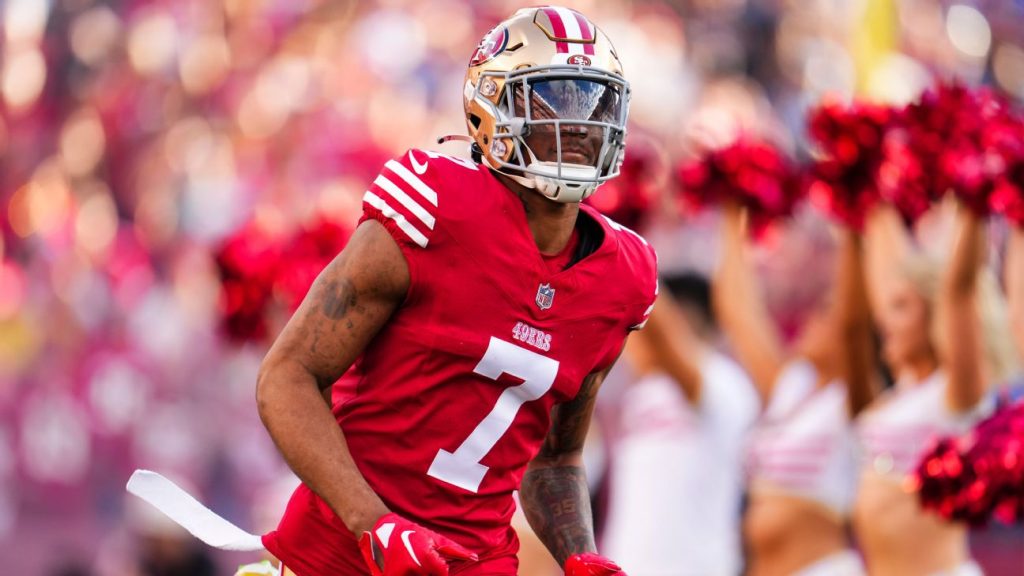
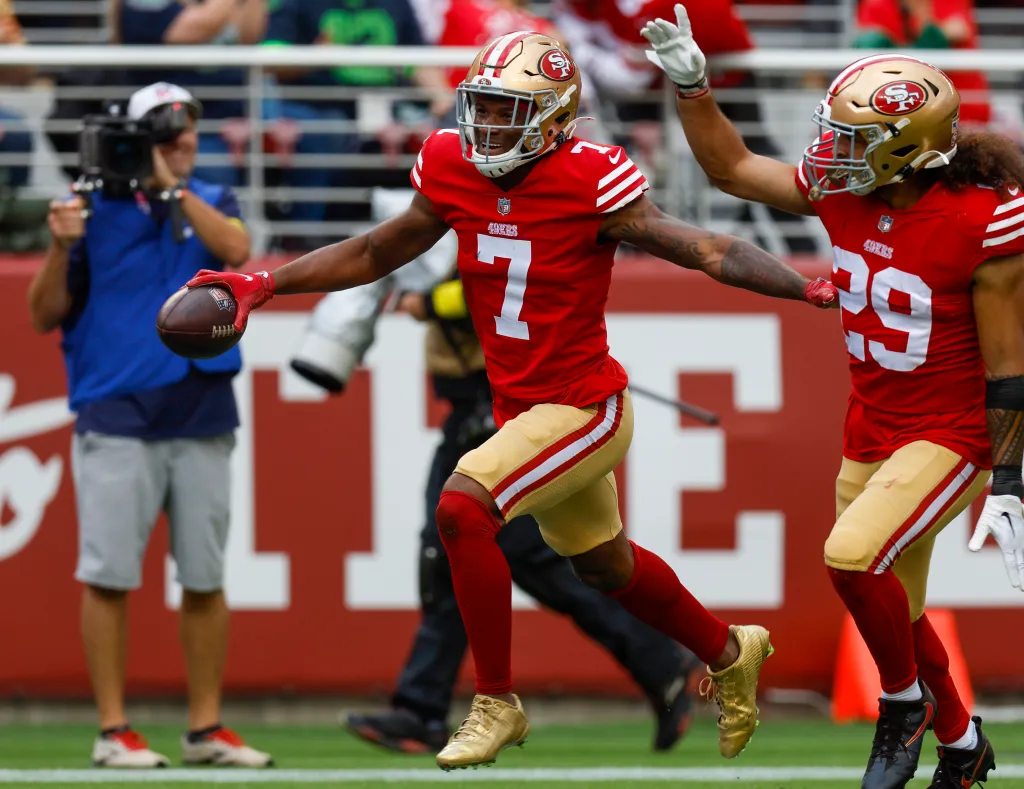
When the 2025 NFL schedule was released, Charvarius Ward had one date circled with purpose. Week 16 wasn’t just another game on the calendar — it was a return, a reunion, and a moment of quiet validation. Facing the San Francisco 49ers, the team where he grew into an elite cornerback and earned second-team All-Pro honors in 2023, represented something deeply personal. But football rarely follows the script players imagine. Instead of a homecoming, Ward now finds himself confronting the most frightening chapter of his career — one that may extend far beyond the 2025 season.
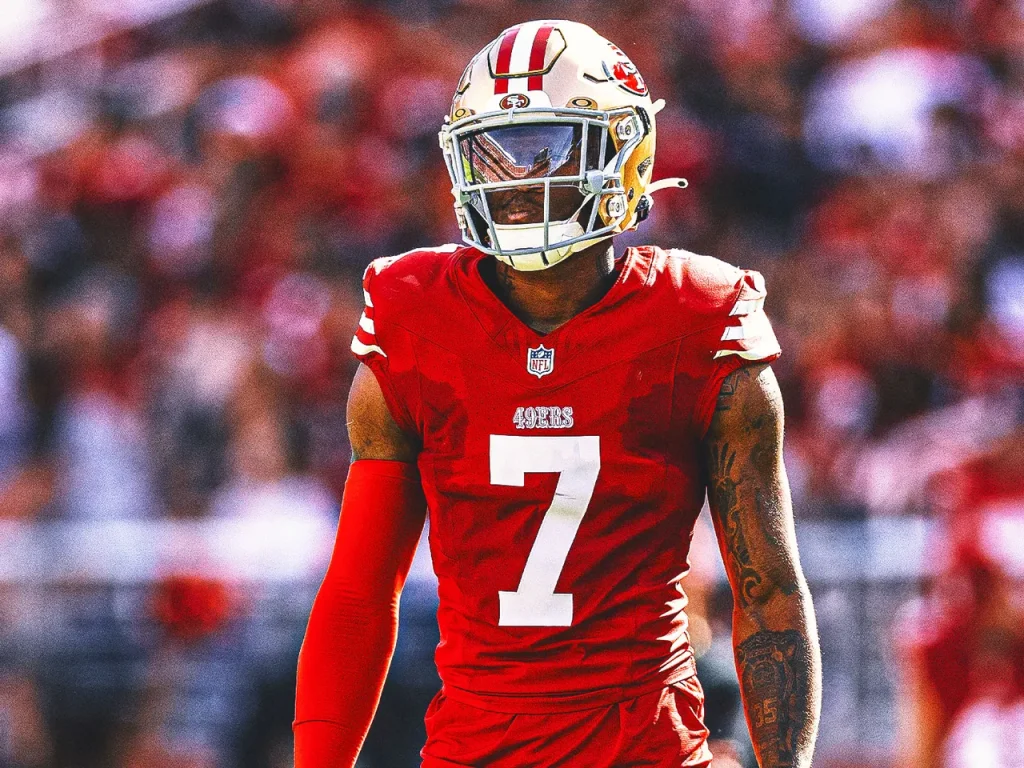
Ward has been placed on injured reserve after suffering his third concussion of the season, a development that all but ends his year with the Indianapolis Colts and casts a heavy shadow over his NFL future. He appeared in just seven games after signing with Indianapolis this offseason, a move driven by both financial opportunity and deeply personal family considerations. What was supposed to be a fresh start has instead become a sobering reckoning, forcing both Ward and the league to confront uncomfortable questions about health, longevity, and life after football.
This isn’t merely a loss for the Colts’ defense — it’s a potential inflection point for one of the league’s most respected veteran cornerbacks. At 29 years old, Ward has already logged years of physical, high-level football, often tasked with shadowing top receivers and embracing the punishment that comes with it. His physicality, instincts, and leadership made him invaluable in San Francisco and a coveted presence in Indianapolis. But concussions don’t accumulate like sore ankles or strained hamstrings. They compound — medically, mentally, and emotionally.
After his second concussion in Week 6, Ward offered a chillingly honest glimpse into what that reality feels like for a veteran player. “I was kind of doubting if I was gonna play football again because it was like that scary,” Ward said at the time. “It was that scary… because I was thinking about my life outside of football, too.” Those words, once unsettling, now feel prophetic. A third concussion in a single season doesn’t just trigger protocol — it triggers long-term conversations that no player ever wants to have.
For Indianapolis, Ward’s absence is another blow in a season unraveling at the seams. The Colts have been battered by injuries at critical positions. Star corner Sauce Gardner has missed extended time, stripping the secondary of its identity. Quarterback Daniel Jones, who had begun to settle into the offense, suffered a season-ending Achilles tear in Week 14. Momentum that once existed has been replaced by attrition, and Ward’s injury only deepens the sense of a year slipping away.
Yet Ward’s impact was never about stat sheets alone. He brought professionalism, accountability, and credibility to a young locker room. Teammates leaned on his voice. Coaches trusted his instincts. Losing him isn’t just about coverage assignments — it’s about leadership vacuum, especially in the defensive backfield where communication and confidence are everything. His shutdown may stabilize the roster medically, but it leaves an emotional void that can’t be easily replaced.
From a broader NFL perspective, Ward’s situation underscores an increasingly unavoidable truth: concussion management has evolved, but the stakes have never been higher. Teams are more cautious. Protocols are stricter. And players are more aware than ever of what repeated head trauma can mean for their futures. The league has made progress, but cases like Ward’s remind everyone that no amount of rule changes can eliminate risk entirely — especially for veterans who have already absorbed years of contact.
What happens next is deeply personal. Ward’s focus now shifts to recovery — not just clearing protocols, but ensuring long-term neurological health. Whether he attempts a return in 2026 will depend on medical evaluations, family discussions, and a level of self-honesty that can be harder than any rehab session. The Colts will support him. The league will monitor him. But ultimately, the decision will be his — and his alone.
For 49ers fans, there’s an added layer of emotion. Ward wasn’t just a former player — he was a pillar of one of San Francisco’s best defenses in years. Seeing his career reach this crossroads is sobering, regardless of uniform. Careers end in many ways: some quietly, some violently, some too soon. What matters now is not whether Ward ever takes another snap, but that he emerges healthy enough to live fully beyond football.
Because seasons fade. Teams reload. But life after the game — that’s the chapter that truly defines everything that came before.