The Detroit Lions entered Week 14 fully aware that their margin for error had evaporated. At 8–5 and sitting just outside the NFC playoff field, Dan Campbell’s team knew the final stretch of the regular season would require precision, discipline, and — perhaps most importantly — a little help from elsewhere in the league. What they could not have anticipated, however, was that one of the most consequential developments in their postseason pursuit might arrive from the AFC, in the form of a devastating injury to Indianapolis Colts quarterback Daniel Jones.
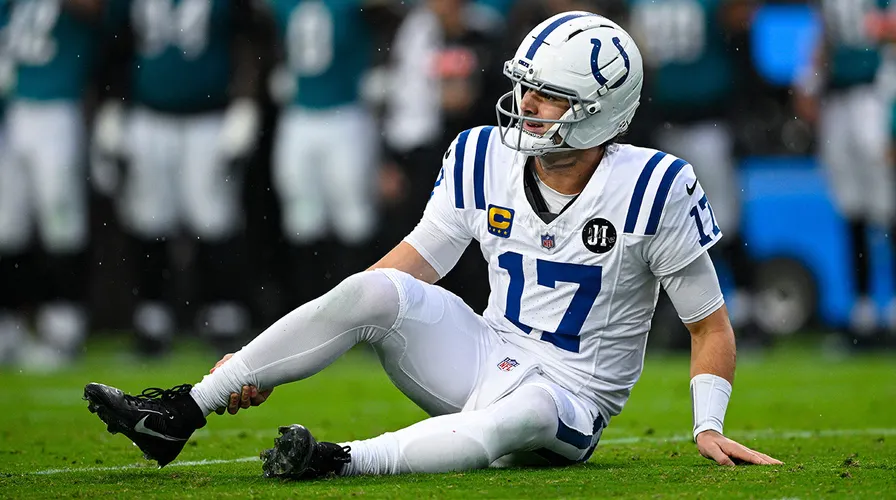
Jones, who had already been working his way back from a fractured fibula, exited Indianapolis’ critical matchup against the Jacksonville Jaguars after a non-contact injury to the opposite leg. His immediate reaction — slamming his helmet and collapsing back to the ground — spoke to the severity of the moment. Later updates confirmed the worst fears: an Achilles injury on the other leg, abruptly ending his season and altering the competitive landscape for multiple playoff contenders, including Detroit.
The Colts, sitting firmly in the AFC postseason race, now face the unenviable task of playing their next two games — against the Seattle Seahawks and the San Francisco 49ers — without their starting quarterback. For most NFL observers, this development is notable on its own. But for the Lions, who need losses from teams above them to stay within striking distance of a Wild Card berth, Jones’ absence takes on amplified significance.
The Seahawks (9–3) and 49ers (9–4) both sit ahead of Detroit in the NFC standings, making their upcoming matchups with Indianapolis quietly pivotal. A healthy Daniel Jones would have given the Colts a fighting chance against two of the conference’s most talented defenses. Without him, Indianapolis enters those contests at a steep disadvantage, and any result that tightens the NFC playoff race becomes less certain.
Detroit’s path forward was already narrow. The general expectation inside the league is that Campbell’s squad must win at least three of their final four games — and possibly run the table — to qualify. The Lions’ remaining schedule includes a critical road matchup against the Los Angeles Rams, followed by conference tests that leave little room for setbacks. Every external variable, then, becomes a piece of the broader postseason puzzle.

Jones’ injury, while unfortunate, could materially impact that puzzle. A Colts upset over Seattle or San Francisco would have been a gift to Detroit. Now, those odds shrink dramatically, placing even greater pressure on the Lions to control the only thing still fully in their grasp: their own performance.
Meanwhile, inside Detroit’s facility, the team continues navigating its own late-season storylines. Taylor Decker’s recent reflections on career longevity offered a window into the emotional and personal dynamics veteran players face as they approach the later stages of their careers. During the offseason, Decker sought advice from former teammate Zach Ertz, whose words left a lasting impact. Ertz reminded him that football is not an obligation but a choice — one rooted in passion, not necessity.
The message resonated deeply with Decker, particularly as family members express concern for his long-term health. His comments highlight an often unseen aspect of life in the NFL: the tension between personal well-being and the identity players forge over decades. For the Lions, Decker’s leadership remains instrumental, especially during a high-pressure stretch where stability along the offensive line will be crucial.
Detroit’s upcoming meeting with the Los Angeles Rams only heightens the stakes. The Rams, still contending within the NFC playoff picture, represent another obstacle the Lions must navigate cleanly if they hope to capitalize on opportunities created elsewhere in the league. A loss against Los Angeles would not mathematically eliminate Detroit, but it would place immense strain on their closing stretch and reduce their margin for error to nearly zero.
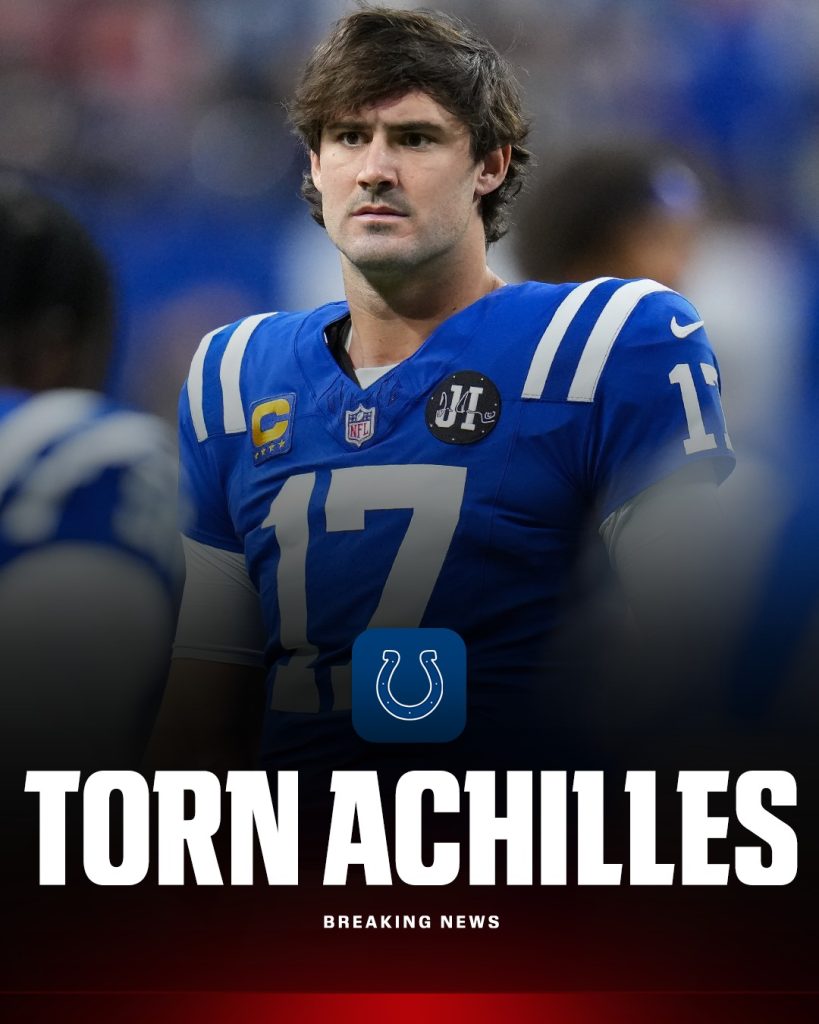
As the Lions prepare for their final four games, the NFC playoff race continues to evolve — sometimes through predictable outcomes, sometimes through moments as unexpected and impactful as Jones’ season-ending injury. Detroit cannot rely on external results, but they remain part of an interconnected web that can either open doors or reinforce barriers.
For now, one thing is clear: the Lions’ postseason fate will be shaped by more than their own performance. The ripple effect of Daniel Jones’ injury is yet another reminder of how swiftly the NFL landscape can shift, and how every game — even those outside the conference — carries consequences that reverberate across the league.
Detroit still controls its destiny. But the road may have just changed, in ways no one saw coming.