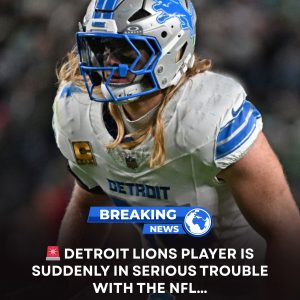
The Detroit Lions’ primetime victory over the Dallas Cowboys delivered fireworks on the field, but one of the night’s most unexpected storylines unfolded long after the final whistle. What began as a heated debate over a controversial officiating decision turned into a viral moment of cultural tension when linebacker Alex Anzalone accused a fan of making a racist remark toward him on social media. The post ignited a nationwide conversation about where competitive criticism ends—and where personal, identity-targeted attacks begin. And in typical Lions fashion, it unfolded with a mix of intensity, defiance, and unexpected humor.
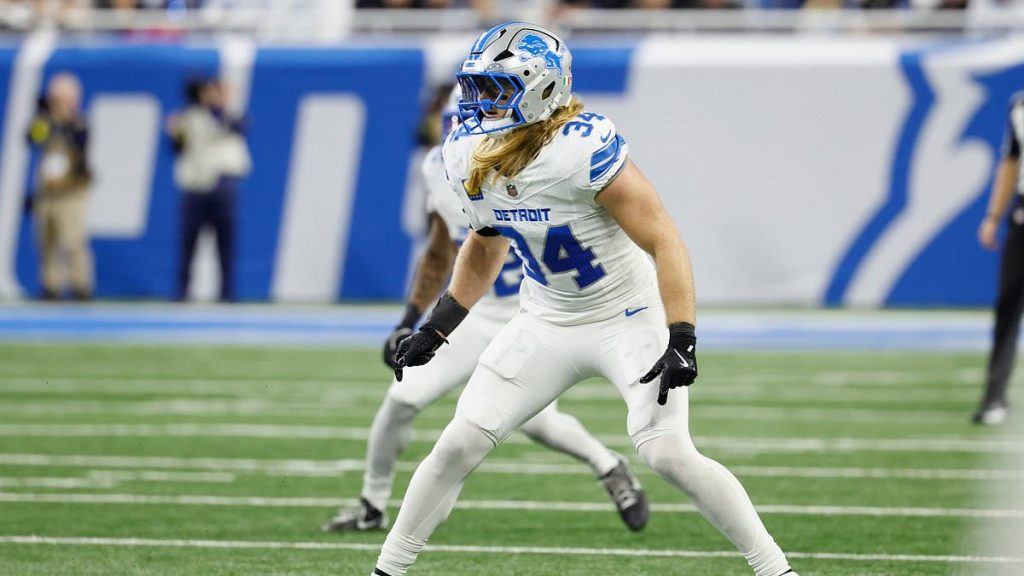
The incident stemmed from a pivotal third-and-three play in the fourth quarter. Dallas quarterback Dak Prescott targeted tight end Jake Ferguson near the goal line, with Anzalone trailing him in coverage. A flag flew immediately, and nearly everyone inside Ford Field assumed it would be called on the linebacker for defensive contact. But in a twist that stunned viewers and sparked instant controversy, the officials ruled Ferguson guilty of offensive pass interference. Cowboys fans erupted in disbelief. Analysts debated the mechanics. Clips circulated across every platform within minutes, with slow-motion breakdowns scrutinizing every inch of the route.
Among the loudest critics was a social media user who blasted the call and, in doing so, mocked Anzalone’s last name by calling him “Calzone”—a jab many initially interpreted as simple wordplay. But to Anzalone, who is of Italian descent, the remark crossed a line. He fired back publicly with a pointed question that immediately reframed the conversation: “We just gonna let the racist comment slide?” His response halted the online banter, forcing fans and critics alike to reconsider how casual insults often carry cultural implications that players rarely address in real time.
In the hours that followed, the exchange took an unexpected turn. When another user replied, “Might be the first time I’ve seen Anzo care about racism,” the linebacker clapped back with a joke that sent timelines into chaos: “Not true, I posted a black square.” The comment—dry, self-aware, and intentionally provocative—straddled the line between sarcasm and sincerity. Fans erupted with laughter. Others debated whether the moment revealed something deeper about how athletes navigate social pressure. But nearly everyone agreed: Anzalone’s trolling game had just entered NFL folklore. One user summed up the reaction perfectly: “Was not familiar with Anzalone’s X trolling game but I’m here for it.”
Yet beneath the humor lies
We just gonna let the racist comment slide? https://t.co/kgvbLgToxB
— Alex Anzalone (@AlexAnzalone34) December 5, 2025
a more complicated question about the environment surrounding professional athletes. While players expect criticism—especially after contentious officiating moments—personal attacks tied to ethnicity or heritage land differently. The Lions linebacker’s decision to call it out publicly highlighted how even seemingly harmless jokes can feel targeted when framed around identity. His willingness to respond, rather than let it slide, resonated with players around the league who often remain silent to avoid distraction. In this case, Anzalone’s candor created a rare moment where fans saw the human being behind the helmet, navigating both the scrutiny of the game and the cultural baggage that comes with being a public figure.
On the field, however, the controversy did little to slow Detroit’s momentum. Following the disputed pass interference call, the Cowboys were forced to settle for a field goal rather than tie the game. The Lions then stormed down the field on the next possession, delivering a decisive touchdown that sealed a 44–30 victory and snapped Dallas’s three-game winning streak. At 8–5, Detroit strengthened its position in the NFC playoff race, using discipline, creativity, and late-game poise to overcome one of the conference’s most explosive offenses.
Anzalone’s performance—beyond the viral moment—was emblematic of the Lions’ defensive resilience. He played with intensity, communicated effectively in coverage, and helped stabilize a unit missing several key contributors. His competitive fire is part of what defines Detroit’s 2025 identity: gritty, unapologetic, and unbothered by outside noise, whether it comes from opposing sideline microphones or fan commentary spiraling across social platforms.
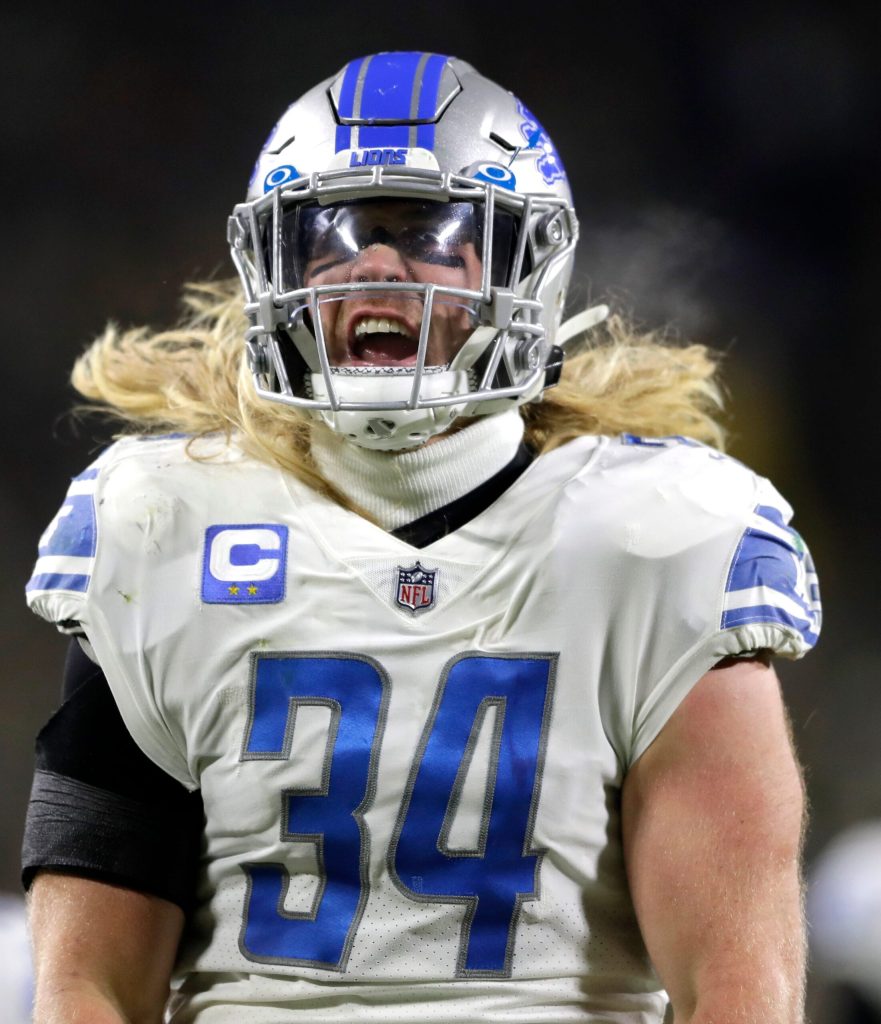
As the Lions turn their attention to a critical matchup with the Los Angeles Rams, the moment lingers—not because of the insult itself, but because of the conversation it sparked. The incident reminded fans that words matter, even in the heat of debate, and that athletes are not faceless chess pieces who absorb everything thrown at them. They laugh, they hurt, they respond. And occasionally, as Anzalone proved, they clap back with humor sharp enough to make the entire NFL pause.
Ultimately, the Lions delivered a statement on and off the field. The victory reaffirmed their postseason ambitions. Anzalone’s response reaffirmed his humanity. And the entire episode—messy, entertaining, revealing—showed once again why the intersection of sports, culture, and personality remains one of the most unpredictable forces in American life.