The Philadelphia Eagles made a move this week that drew little national attention but carried significant weight inside the NovaCare Complex, where injuries and uncertainty along the defensive front have created a precarious stretch heading into Week 14. Defensive end Titus Leo has returned to Philadelphia yet again, signing back with the organization following the release of cornerback Parry Nickerson. It marks the third time in just over a month that Leo has been brought into the building, a clear signal that the Eagles see value in his skill set and familiarity with the system as they brace for a physically demanding December.
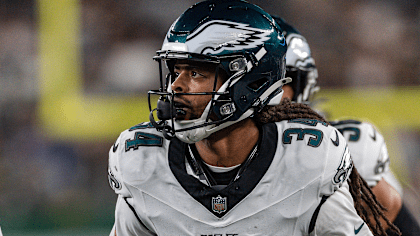
Leo’s journey has been one of persistence rather than spotlight. A sixth-round pick by the Indianapolis Colts in 2023, he entered the league as a two-time conference Defensive Player of the Year from Wagner College, earning FCS All-American honors for his explosive edge production. His NFL path since then has been itinerant — a handful of stops that included New England, Tennessee, Cleveland, and Philadelphia. His most substantial professional action came with the Patriots in 2024, when he appeared in four games and recorded four tackles and a pass breakup. Nothing flashy, but enough to suggest untapped potential for a team willing to develop him.
The timing of Leo’s return is far from accidental. Philadelphia’s defensive line, a position group historically built on depth and rotational strength, is now being held together with contingency plans. Jalen Carter has already been ruled out after undergoing a shoulder procedure earlier in the week, removing one of the Eagles’ most disruptive interior forces. Jaelan Phillips, who has been impactful since arriving in Philadelphia, remains limited due to a concussion, leaving questions at both the edge and interior spots. The Eagles needed reinforcement — someone who could step in immediately without an extensive learning curve.
Leo’s versatility gives the Eagles exactly that. While he isn’t projected to be a centerpiece, his high motor and nose for the ball fit well into a defense that relies on constant pressure and layered rotations. Coaches value his ability to set the edge, chase down mobile quarterbacks, and play with the type of aggression that complements the scheme. For a Monday night matchup against a Chargers offense that still has explosive elements, despite a disappointing season, Leo provides insurance in one of the most physically demanding roles on the field.
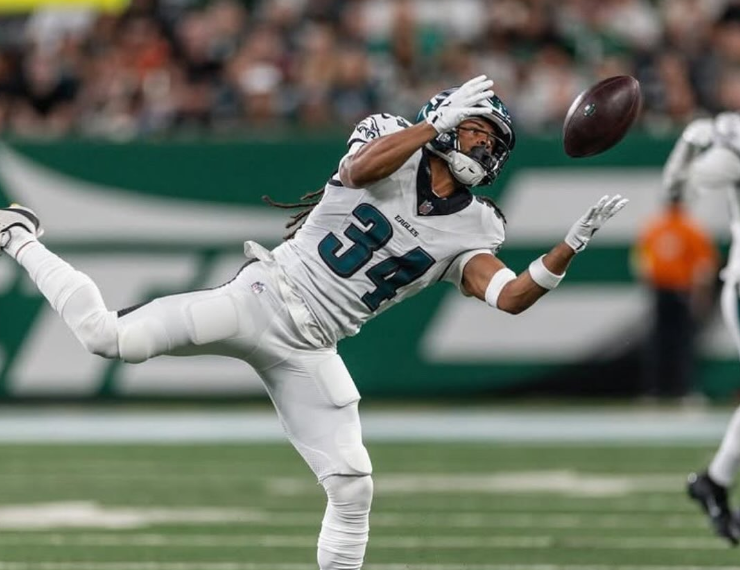
The cascading effect of these injuries also places greater responsibility on rookie defensive tackle Ty Robinson, who is expected to take on a larger role with Carter sidelined. Robinson has flashed potential in limited snaps but has yet to shoulder the workload of a full rotational assignment. With Phillips uncertain and Josh Sweat carrying the bulk of edge responsibilities, the Eagles’ defensive identity — a deep, punishing front — will depend heavily on role players performing above their usual expectations.
Leo’s arrival also underscores the organization’s broader philosophy: preparedness built on familiarity. Philadelphia has always valued players who can step in without delay, especially during the playoff push when practice time shortens and injuries accumulate. Leo has spent enough time in the building to understand terminology, alignments, and responsibilities, making him more useful in the short term than an external signing learning the system from scratch.
Beyond Leo, several other names may be called upon if the situation worsens. Patrick Johnson remains a trusted rotational piece with special teams value, while Ta’Quon Graham and Gabe Hall could be tasked with absorbing interior snaps depending on in-game scenarios. The Eagles have long believed in the importance of redundancy at the line of scrimmage, a belief tested more severely now than at any point this season.
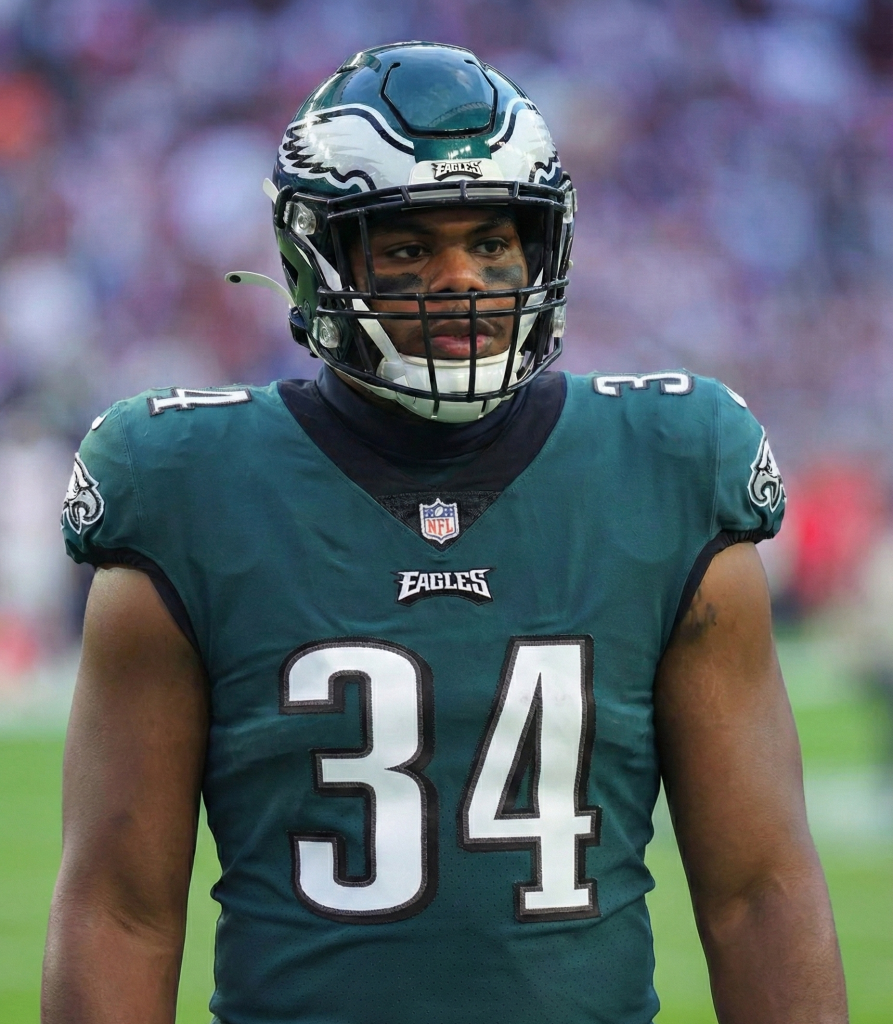
Philadelphia’s defensive line has carried the franchise’s identity for years, and even with injuries stacking up, the standard remains unchanged. The return of Titus Leo may not dominate headlines, but within the team facility, it represents a stabilizing move — a calculated reinforcement made with clear purpose. In a league where postseason opportunities hinge on depth and adaptability, the Eagles have added a player they trust, a player who understands the urgency of the moment, and a player whose contributions could arrive at exactly the right time.
And as the Eagles prepare for a critical Monday night test, one truth defines their mindset: in December, it often isn’t the stars who determine survival. It’s the next man up — and for Philadelphia, Titus Leo might be precisely that.