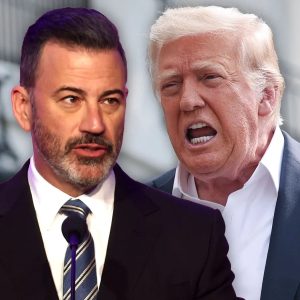
— Former special counsel Jack Smith, in a public hearing before the Republican-led House Judiciary Committee on Jan. 22, offered a resolute defense of his investigations into President Donald J. Trump, dismissing suggestions of political bias and emphasizing that threats and intimidation would not deter his pursuit of accountability.
Viral social media narratives framing the session as a “high-stakes showdown” where Mr. Smith declared he would “never be intimidated” by Mr. Trump or his threats — and accusing Republicans of blaming Jan. 6 on police — have amplified select moments from the hearing but often exaggerate its tone and content. No such direct, defiant proclamation about intimidation appears in the transcript, though Mr. Smith did address the broader context of threats against prosecutors.
During the more than four-hour oversight hearing, titled “Oversight of the Office of Special Counsel Jack Smith,” Mr. Smith reiterated that his probes into Mr. Trump’s handling of classified documents and efforts to overturn the 2020 election were grounded in evidence “beyond a reasonable doubt.” He confirmed he had “zero regrets” about the charges and would bring them again based on the same facts. “The attack that happened at the Capitol… does not happen without President Trump,” he said, underscoring Mr. Trump’s role as the “most culpable” figure in the alleged conspiracy.
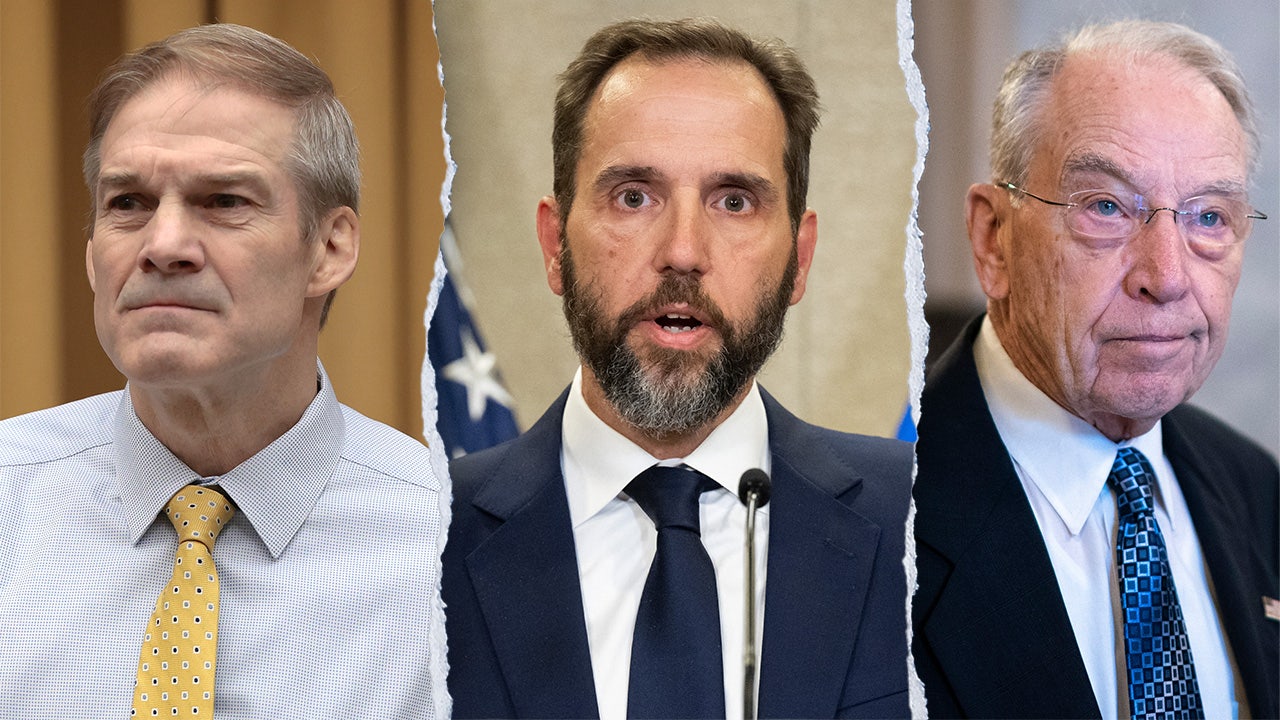
Republican members, including Chairman Jim Jordan of Ohio, pressed Mr. Smith on issues like subpoenas for congressional phone metadata, which they called an overreach or “spying.” Mr. Smith countered that these were standard investigative tools, approved by judges to build timelines and prevent obstruction, and involved only toll records, not content. Exchanges grew heated at times, with some Republicans raising voices and accusing Mr. Smith of partisanship, but the session did not devolve into the “unhinged” chaos described in online posts.
Mr. Smith addressed intimidation indirectly, noting the “scale of the threats” directed at him, his family and staff, including Mr. Trump’s repeated use of phrases like “deranged Jack Smith.” While he did not quantify the mentions (viral claims cite over 185 times on social media), he stressed that such rhetoric would not sway his commitment to the rule of law. “No person, Democrat or Republican, can be allowed to escape accountability for criminal acts,” he stated, framing his work as nonpartisan.
Democrats, including Ranking Member Hank Johnson of Georgia, praised Mr. Smith’s composure and used the hearing to highlight what they see as evidence of wrongdoing halted only by Mr. Trump’s return to office. Republicans focused on procedural criticisms, suggesting the probes were a “witch hunt” and questioning why more individuals weren’t charged.
No Republicans blamed Jan. 6 on police during the hearing, contrary to some online summaries. Mr. Smith himself emphasized the attack’s severity and Mr. Trump’s alleged role, without shifting responsibility.
The cases were dismissed by Attorney General Pam Bondi after Mr. Trump’s inauguration, citing policy against prosecuting a sitting president. Mr. Smith’s final report, released in redacted form, detailed the investigations but kept uncharged co-conspirators anonymous.
The White House dismissed the hearing as partisan theater, with Mr. Trump posting on Truth Social calling Mr. Smith a “deranged prosecutor.” Fact-checkers note that viral exaggerations of the testimony often repackage real moments for dramatic effect, fueling misinformation in a polarized environment.
The full transcript and video are available on the House Judiciary Committee website, providing context for the claims. As midterm elections loom, the session underscores enduring divides over accountability for Jan. 6 and the role of special counsels