By XAMXAM
WASHINGTON — Senator Mark Kelly emerged from a closed-door Pentagon briefing this week with a blunt assessment: instead of clarity, Congress was left with deeper doubts. At issue are U.S. military strikes on alleged drug-smuggling boats in the Caribbean and, more pointedly, a piece of video evidence that the Department of Defense has declined to show to all lawmakers — or to the public.
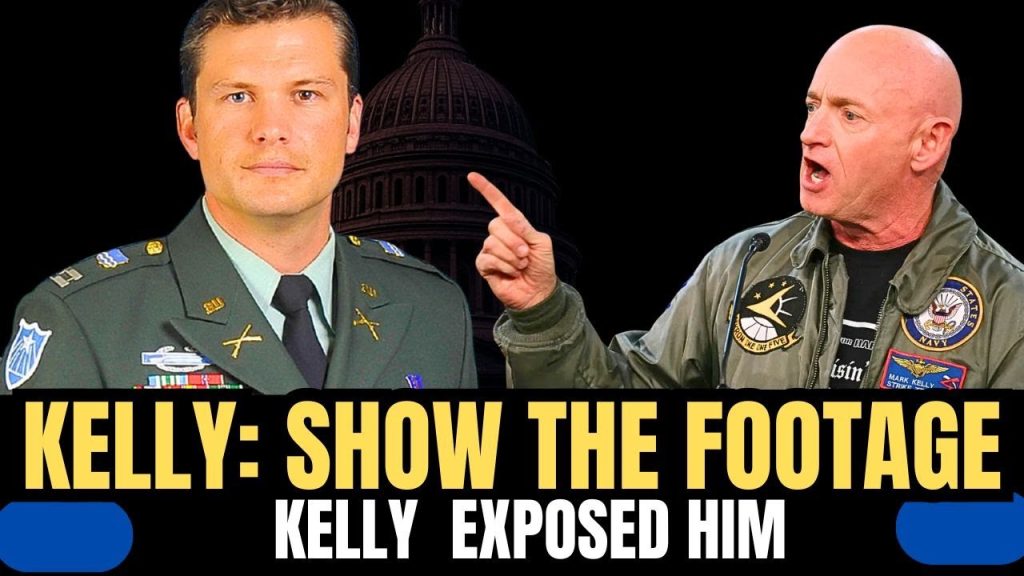
Kelly, a Democrat from Arizona and a former Navy combat pilot, described a briefing that felt less like oversight and more like stage management. Six officials, he said, consumed roughly two-thirds of the allotted time with prepared remarks, leaving about 20 minutes for questions among nearly 100 senators. Only a handful were able to speak before the session ended.
“I have more questions now than when I walked in,” Kelly said afterward, a remark that captured a growing frustration on Capitol Hill over how the Pentagon is handling scrutiny of the operation.
The core of Kelly’s concern is not merely procedural. It is constitutional. Congress, he emphasized, is not an audience for military briefings but a co-equal branch with the authority and responsibility to oversee the use of force. When lawmakers are shown selected materials while other evidence is withheld, that responsibility is weakened.
According to Kelly, the Defense Department has already released video clips it believes support its narrative of the strikes. But one specific video — which he and others say raises uncomfortable questions — has been restricted to limited viewing. Kelly said he was told he would be allowed to see it later, but only after repeated requests and under conditions that still exclude many of his colleagues.
“That tells me they have issues with what’s in that video,” he said. “If it were clean, there would be no reason not to show it.”
The administration’s defenders argue that classification rules and operational security justify a cautious approach. But Kelly and other critics counter that selective transparency can distort rather than protect the truth. Showing only favorable evidence, they say, risks turning oversight into a messaging exercise rather than a fact-finding one.
The legal stakes are high. Kelly argues that the strikes do not resemble a traditional, congressionally authorized military campaign. Instead, they look more like drug interdiction — a form of law enforcement that carries different legal obligations under U.S. and international law.
“When you’re talking about law enforcement, even at sea, there are rules about warning, surrender, and due process,” Kelly said. “This is not the same as going after al-Qaeda under an authorization for use of military force.”
That distinction matters because Congress has not passed a new authorization covering these operations. Without one, lawmakers say, the executive branch risks quietly expanding military authority into areas historically governed by civilian law.
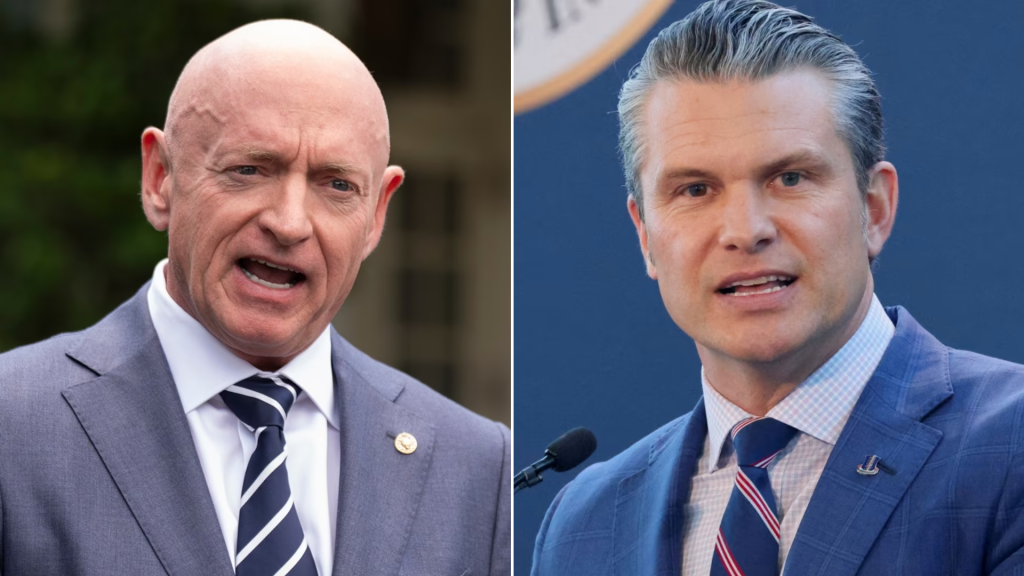
Cost is another flashpoint. Kelly noted that the operation is costing millions of dollars per day, drawing resources away from other priorities. While cocaine trafficking routes in the Caribbean are a real problem, he said, fentanyl — the drug responsible for the vast majority of overdose deaths in the United States — primarily enters through land ports of entry. Technology and staffing at those ports remain underfunded.
“This is a question of effectiveness as well as legality,” Kelly said. “Are we spending enormous sums on the right problem?”
Beyond budgets and statutes lies a broader concern about precedent. Kelly warned that when officials resist open hearings, ration information, and dismiss congressional questioning as political theater, it sends a chilling signal throughout government. Service members, civil servants, and lawmakers may conclude that asking hard questions carries professional risk.
History offers sobering lessons. From Vietnam to Iraq, secrecy justified in the name of national security often delayed accountability until after damage was done — to lives, to trust, and to America’s standing in the world. Oversight, Kelly argues, is not an attack on the military. It is a safeguard for those who serve, ensuring they are sent into harm’s way only for lawful and necessary missions.
Kelly is now calling for public hearings in which senior defense officials — including the secretary of defense, the chairman of the Joint Chiefs of Staff, and the admiral overseeing the operation — testify openly. He also wants the contested video released publicly, so Americans can judge for themselves.
“This is not about scoring points,” Kelly said. “It’s about whether we still believe that power has to explain itself in a democracy.”
The dispute over a single piece of footage has thus grown into a larger test of norms. If Congress cannot see the full record, its ability to authorize, fund, and restrain military action erodes. And if the public is shown only what leaders choose to reveal, trust becomes collateral damage.
For Kelly, the issue cuts to the heart of constitutional governance. Oversight is not optional, he insists, and transparency is not a favor. They are obligations. Whether the administration accepts that premise may determine not just the fate of one operation, but how future uses of force are judged — and checked — in the years to come.