By XAMXAM
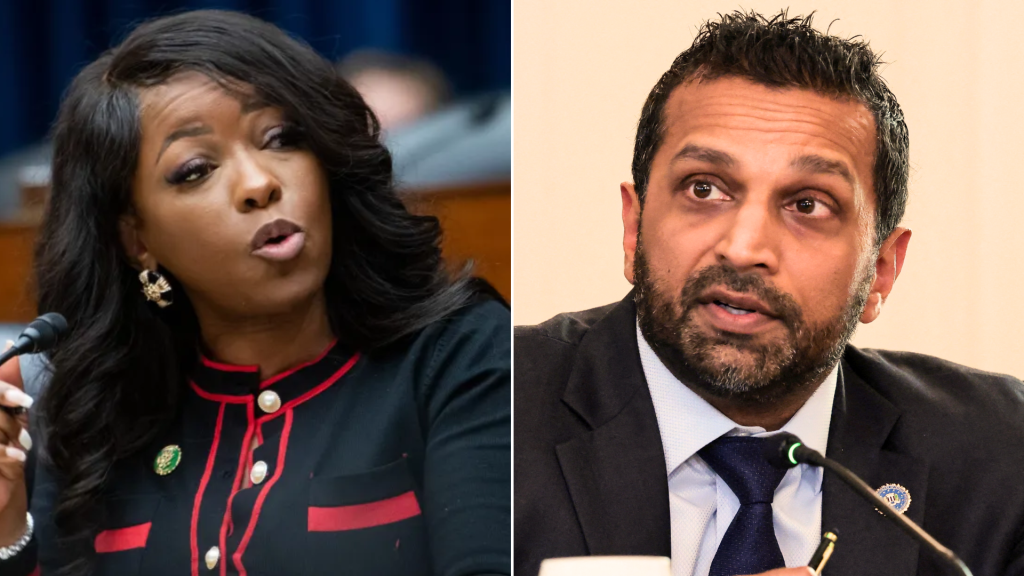
WASHINGTON — In a sharply worded congressional exchange that underscored the deepening political and institutional rifts surrounding federal law enforcement, Representative Jasmine Crockett of Texas delivered a blistering critique of FBI Director Kash Patel, questioning not only his qualifications but also his commitment to confronting white supremacist violence. Her remarks, delivered during a high-profile hearing, amounted to an extraordinary demand: that Patel resign for what she characterized as a dangerous failure of leadership.
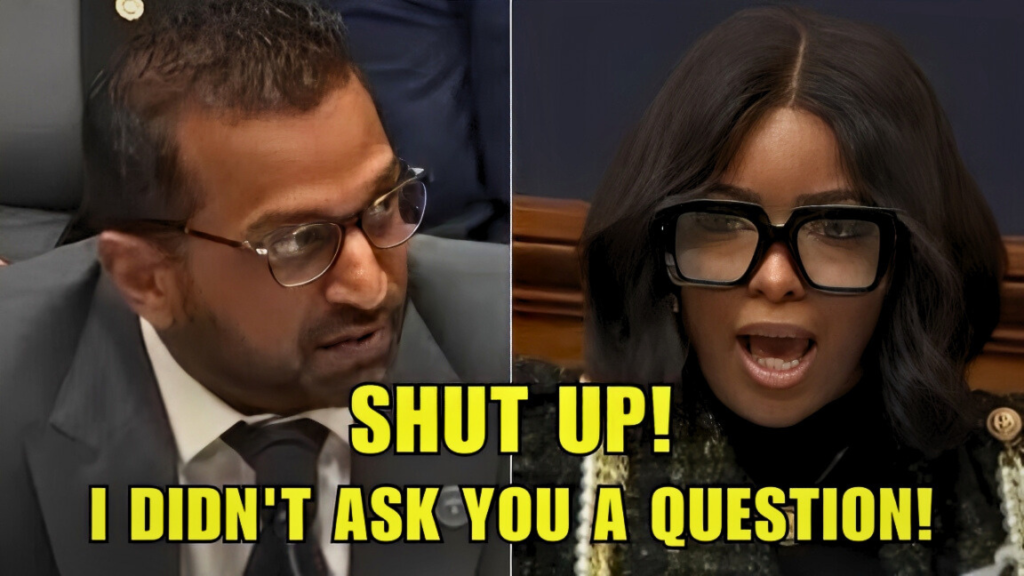
Ms. Crockett, a Democrat serving her second term, opened her remarks by attacking Mr. Patel’s professional background, noting that he is the first FBI director in the bureau’s history to assume the role without having previously served within the agency. That absence of institutional experience, she argued, has translated into poor judgment and misplaced priorities at a moment when domestic security threats remain acute.
“When I say that you are the least qualified FBI director in the history of the FBI, that is real,” Ms. Crockett said, cutting off attempts to respond. “And yet we are supposed to believe you are the greatest thing since sliced bread.”
But the core of her rebuke went far beyond résumé lines. Ms. Crockett accused Mr. Patel of downplaying right-wing extremism, which multiple federal assessments have identified as the leading source of domestic terror threats in the United States. For her, this was not an abstract policy disagreement but a matter of personal and communal safety.
“I don’t know who feels safe in this country except for white supremacists,” she said, adding that as a Black woman she had “no confidence” in the bureau under Mr. Patel’s leadership.
Her comments reflected a broader frustration among Democrats who argue that the FBI, under mounting political pressure, has softened its posture toward ideologically motivated violence from the far right while redirecting resources toward immigration enforcement and other priorities aligned with Republican messaging. Ms. Crockett cited testimony from Mr. Patel indicating that it could take more than a decade to fully staff the bureau, even as experienced personnel are dismissed or reassigned.
She also pointed to a growing pattern of threats against lawmakers themselves. During the hearing, Ms. Crockett entered into the record several reports detailing death threats made against Republican members of Congress who had defied party leadership in key votes. One lawmaker, she noted, had left Congress after anonymous callers threatened his wife, forcing her to sleep with a firearm nearby.
“How are we supposed to have confidence,” Ms. Crockett asked, “when the people making the laws can’t even feel protected?”
The exchange took on added gravity as Ms. Crockett criticized what she described as the FBI’s performative approach to high-profile cases — publicized arrests and celebratory social media posts — while failing to respond decisively to attacks on historically Black colleges and universities and other incidents of domestic terrorism. In her telling, the bureau appeared more focused on optics than outcomes.
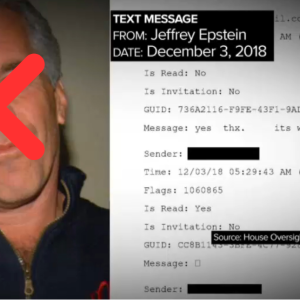
The hearing then pivoted, abruptly but consequentially, to another long-running source of institutional mistrust: the handling of the Jeffrey Epstein investigation. Lawmakers introduced documents suggesting that the federal government possessed tens of thousands of pages of files related to Epstein, far exceeding what has been publicly disclosed. Representative Thomas Massie of Kentucky pressed Mr. Patel on his previous testimony asserting that there was “no credible information” that Epstein trafficked victims to others.
According to Mr. Massie, FBI interview summaries from the Southern District of New York allegedly identify at least 20 powerful individuals — including financiers, politicians, and entertainers — whom victims say were involved. Mr. Patel was asked directly whether he had reviewed those documents or initiated investigations into any of the named figures.
The juxtaposition was striking. On one side, Ms. Crockett argued that the FBI was failing to confront white supremacist violence. On the other, lawmakers questioned whether the bureau was withholding information about elite criminal networks. Together, the critiques painted a picture of an agency under siege from both political polarization and eroding public confidence.
Mr. Patel did not offer extended responses during Ms. Crockett’s remarks, but his allies have argued that he is attempting to reform a bloated institution constrained by past legal agreements and politicized expectations. They contend that accusations of enabling extremism are themselves politically motivated.
Still, the intensity of Ms. Crockett’s remarks — and the applause they drew from progressive lawmakers and advocacy groups — suggests that calls for accountability are unlikely to fade. Whether or not Mr. Patel’s tenure survives the current storm, the hearing made one reality unmistakably clear: the debate over who the FBI protects, and whom it pursues, has become inseparable from the nation’s broader struggle over truth, trust, and the rule of law.