By XAMXAM
WASHINGTON — Representative Jasmine Crockett delivered a forceful rebuke this week after Attorney General Pam Bondi appeared on Fox News and issued what Crockett described as a thinly veiled threat of retribution against her for exercising her right to free speech. Speaking during a Judiciary Committee session, the Texas Democrat framed the dispute not as partisan theater, but as a serious test of whether the nation’s top law enforcement office is being used to intimidate political opponents.
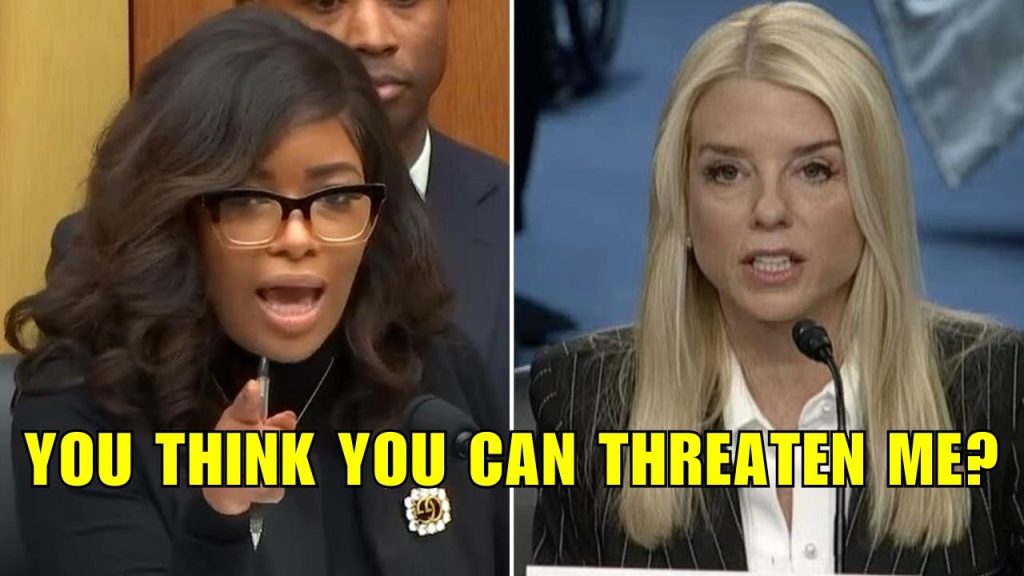
Crockett opened by pointing to a reality lawmakers across the political spectrum increasingly share: a surge in threats against members of Congress. She said both Democrats and Republicans now live under levels of harassment and death threats that “nobody should endure,” and argued that inflammatory rhetoric from powerful officials only accelerates that danger.
“To have the sitting attorney general go on television and single out a member of Congress is wrong,” Crockett said. “She is the highest law enforcement official in this country. When she speaks, people listen, and some people act.”
At the center of Crockett’s criticism was Bondi’s suggestion that Crockett’s public comments about protests and corporate power warranted scrutiny. Crockett rejected that framing outright, saying Bondi knowingly distorted her remarks. She emphasized that she has consistently urged protesters to act peacefully and to consult legal counsel before exercising their constitutional rights.
“This was not about public safety,” Crockett said. “This was about politicizing law enforcement and sending a message.”
Crockett warned that such behavior erodes public trust in federal institutions. In her view, Americans are losing confidence in agencies not because of rank-and-file employees, but because elected leaders and top officials appear to apply the law selectively — aggressively toward critics, lenient toward allies.
She described the moment as part of a broader pattern. According to Crockett, multiple Democratic lawmakers have received letters from the Justice Department that feel less like neutral legal communication and more like warnings. That, she argued, signals an agenda driven by punishment and retaliation rather than impartial enforcement.
“The reason our country feels so torn apart right now is because we can’t even agree on right versus wrong,” she said. “This should not be left versus right.”
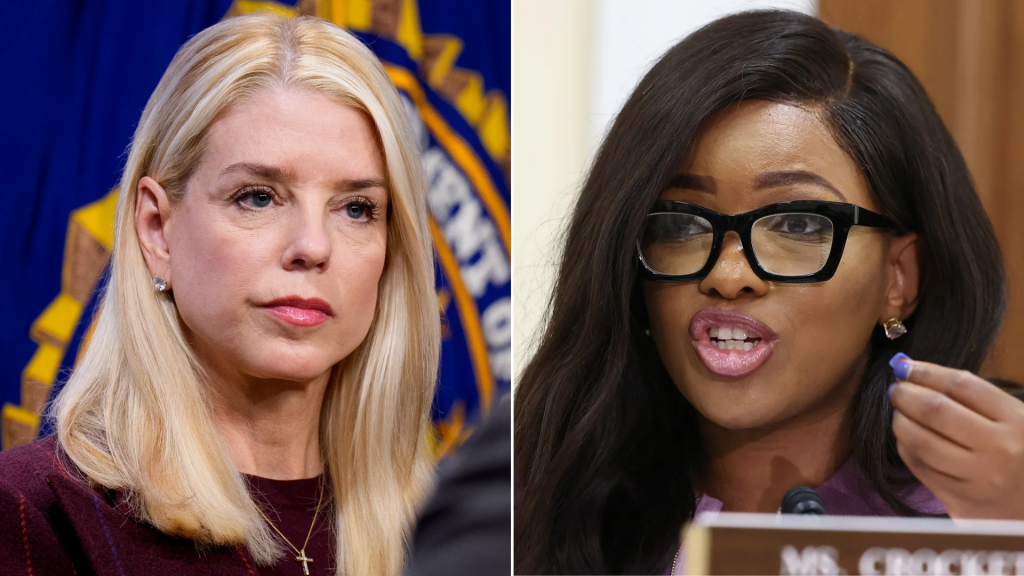
Crockett also addressed the broader climate fueling public anger, including what she sees as unequal treatment of powerful figures. She criticized what she called a system that allows wealthy individuals and corporations to operate “above the law,” while ordinary citizens face aggressive enforcement. In that context, she defended public protest as a legitimate response — so long as it remains lawful.
As a former public defender and civil rights attorney, Crockett grounded her remarks in personal experience. She recounted representing clients who did not trust law enforcement because of past abuses, and said diversity within institutions matters precisely because it helps rebuild that trust. Accountability, she argued, is not anti–law enforcement; it is essential to its legitimacy.
Crockett closed with a sharp warning about precedent. When the attorney general threatens elected officials for speech, she said, it blurs the line between justice and politics — and that line, once crossed, is difficult to restore.
“Law enforcement power should never be used to silence dissent,” Crockett said. “When threats replace the rule of law, accountability collapses.”
Her remarks drew attention not only for their intensity, but for the underlying concern they raised: whether the Justice Department is drifting from its role as an independent guardian of the law toward becoming a tool of political retribution. For Crockett, the issue is simple, and urgent — power must explain itself, or democracy pays the price.