Patel Denies “Enemies List,” But Senate Math Tells a Different Story
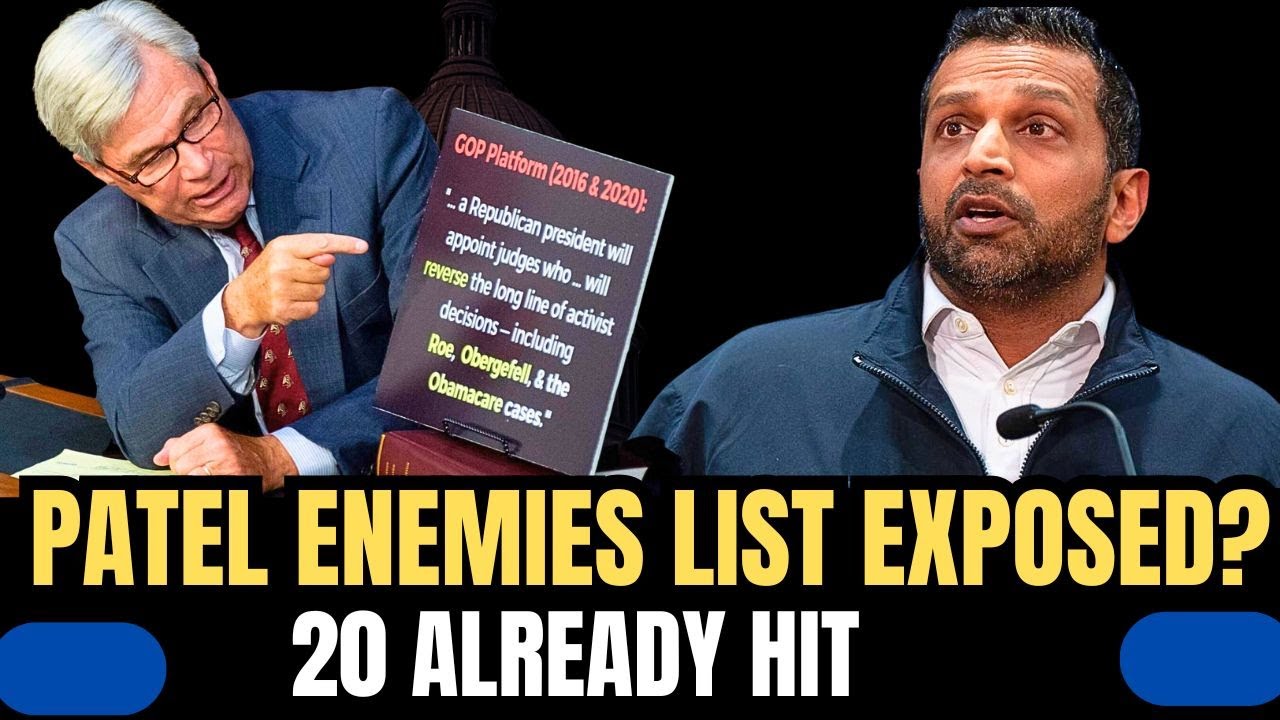
A tense Senate exchange has reignited concerns about retaliation, accountability, and truthfulness at the highest levels of federal law enforcement. As Kash Patel again denied having any “enemies list,” Senator Sheldon Whitehouse responded not with rhetoric, but with numbers that are hard to ignore.
Whitehouse pointed out that a list of roughly 60 names did, in fact, exist—regardless of how Patel now labels it. Of those individuals, about 20 have already faced adverse actions during Patel’s first seven months in office. That ratio alone, Whitehouse argued, demands an explanation.
Patel rejected the premise outright, insisting that all personnel decisions were merit-based and tied solely to constitutional duty. But oversight hearings are not about intent alone. They are about outcomes, patterns, and timing—especially when those outcomes disproportionately affect the same group of people.
Changing terminology does not erase facts. If a significant share of individuals on a known list later suffer professional consequences, Congress has a responsibility to ask whether coincidence or coordination is at play. That question remains unanswered.
The exchange grew more serious when Whitehouse shifted to Patel’s past statements about his grand jury testimony. Patel had previously suggested that court orders prevented him from discussing his testimony with Congress, citing the chief judge of the D.C. district court.
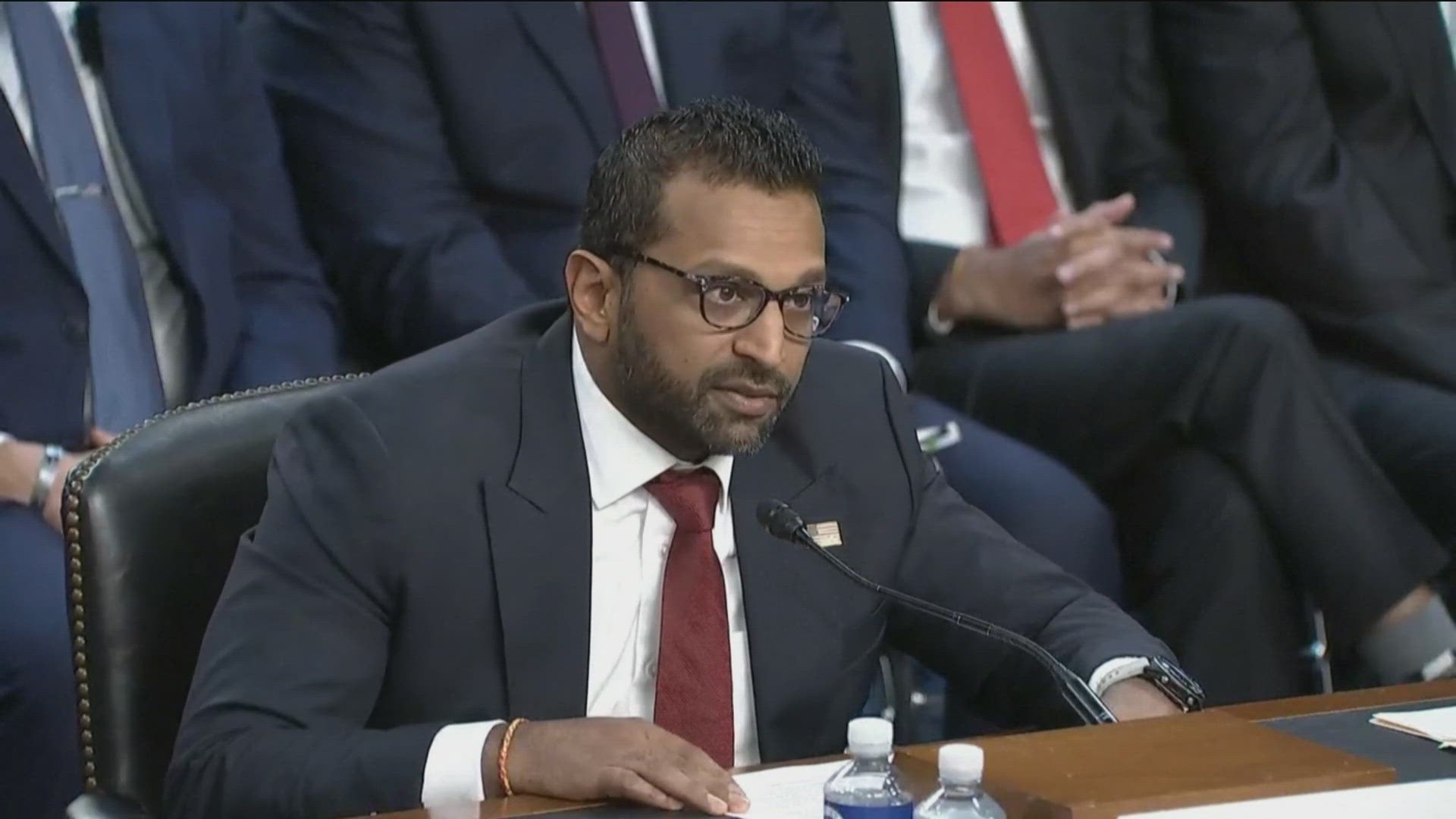
Since then, that same judge publicly clarified that federal law explicitly allows grand jury witnesses to discuss their own testimony. In plain terms, there was no court order restricting Patel from answering congressional questions when he claimed there was.
Patel’s response—that the transcript has now been released—missed the point. Releasing information later does not justify potentially misleading Congress earlier. Accurate explanations of legal limits are essential for meaningful oversight.
Taken together, the unanswered questions about retaliation patterns and misrepresented legal constraints raise broader concerns about credibility. Whitehouse was not alleging crimes. He was building a record—and in Washington, records are how accountability begins.