ICE at VA Hospitals? Tammy Duckworth Warns Immigration Operations Are Putting Veteran Healthcare at Risk
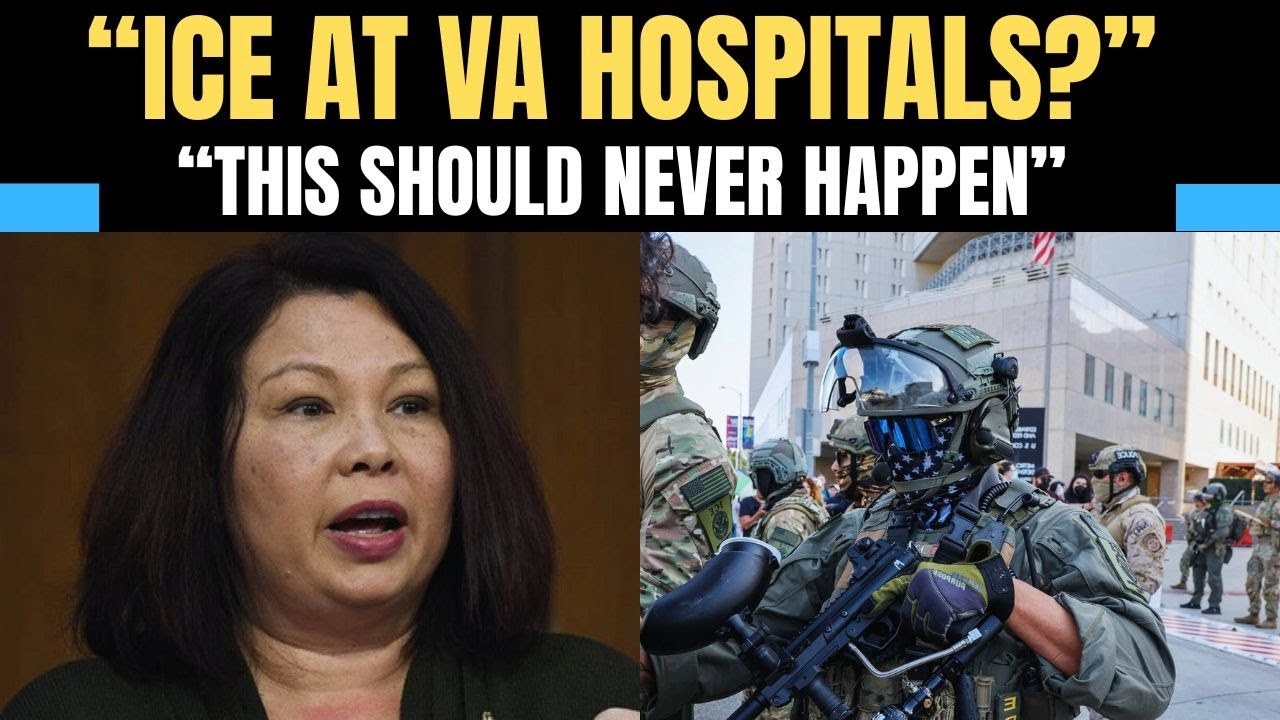
Senator Tammy Duckworth delivered a blistering warning in Congress, alleging that Immigration and Customs Enforcement is using Veterans Affairs facilities as operational staging grounds — a move she says directly threatens veterans’ access to healthcare. Speaking as both a lawmaker and a combat veteran who receives care at a VA hospital, Duckworth framed the issue as a betrayal of those who served.
Duckworth pointed specifically to Hines VA Hospital outside Chicago, where she says ICE has taken over parking spaces and resources for immigration enforcement activities unrelated to veteran care. At a facility already strained by limited parking and heavy patient demand, the presence of ICE, she argued, is causing confusion, anxiety, and real barriers for veterans simply trying to attend medical appointments.
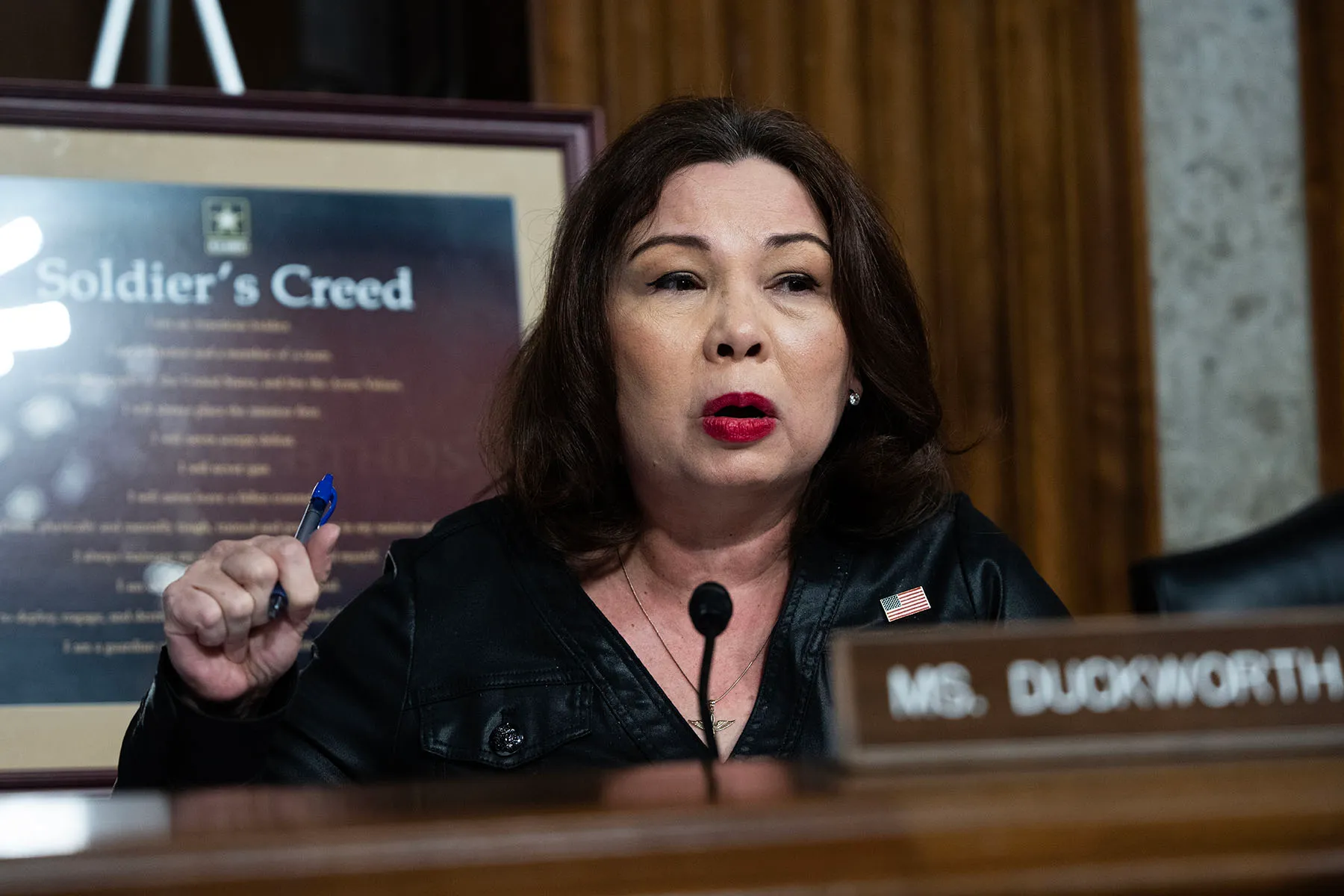
But parking, Duckworth stressed, is only the surface issue. Allowing ICE to operate on VA campuses fundamentally alters the environment of care. Veterans should not fear intimidation, harassment, or detention when seeking medical treatment. When aggressive law enforcement tactics enter healthcare spaces, trust collapses — and patients may delay or avoid care altogether.
Duckworth warned that this chilling effect is especially dangerous for veterans and family members who are immigrants or people of color. VA hospitals, she said, are not border checkpoints. They are sacred spaces meant to serve those who served the country, regardless of background. Any VA policy that accommodates ICE operations on its grounds risks undermining that mission.
She then connected the issue to a broader pattern inside the Department of Veterans Affairs. Earlier this year, the VA cut roughly 80,000 jobs, including doctors and nurses. Citing investigative reporting, Duckworth noted that the VA is down hundreds of physicians and nearly 2,000 nurses, with staffing levels declining month after month and wait times for care steadily increasing.

According to Duckworth, this is not accidental mismanagement — it is strategic degradation. By weakening the VA’s capacity, pushing veterans toward private providers and telehealth, and diverting resources away from core healthcare functions, the administration creates a manufactured crisis that can later be used to justify privatizing the nation’s largest integrated healthcare system.
That shift, she warned, would harm veterans. VA providers are uniquely trained to recognize service-related conditions, such as illnesses linked to Agent Orange exposure, that many non-VA providers may miss. Sending veterans into an already strained private healthcare system — especially amid massive Medicaid cuts — risks higher costs, worse outcomes, and lost expertise.
Duckworth closed by demanding solutions, not slogans. Witnesses urged the VA to lift hiring freezes, fund additional medical positions, and stop tying the hands of frontline providers. Without staffing, access, and stability, dignity in care becomes impossible.
The message was unmistakable. Turning VA hospitals into immigration enforcement hubs does more than disrupt operations — it erodes the social contract with veterans. Duckworth’s warning reframes the debate: this is not just about immigration policy, but about whether the nation is willing to protect the healthcare of those who sacrificed for it.