Washington — A White House press briefing descended into confusion and disbelief on Wednesday as officials struggled to explain a series of explosive developments: President Trump’s surprise pardon of a foreign drug trafficker responsible for billions of doses of cocaine, a controversial follow-up strike in the Caribbean that left no survivors, and the president’s own contradictory statements about a recent MRI he insists was “perfect” — though he cannot identify what part of his body was scanned.
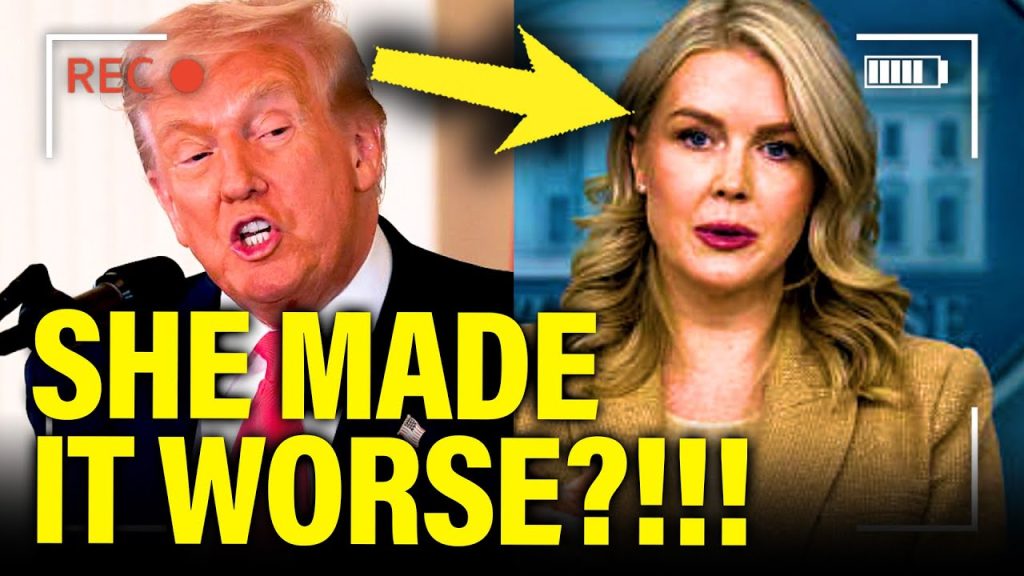
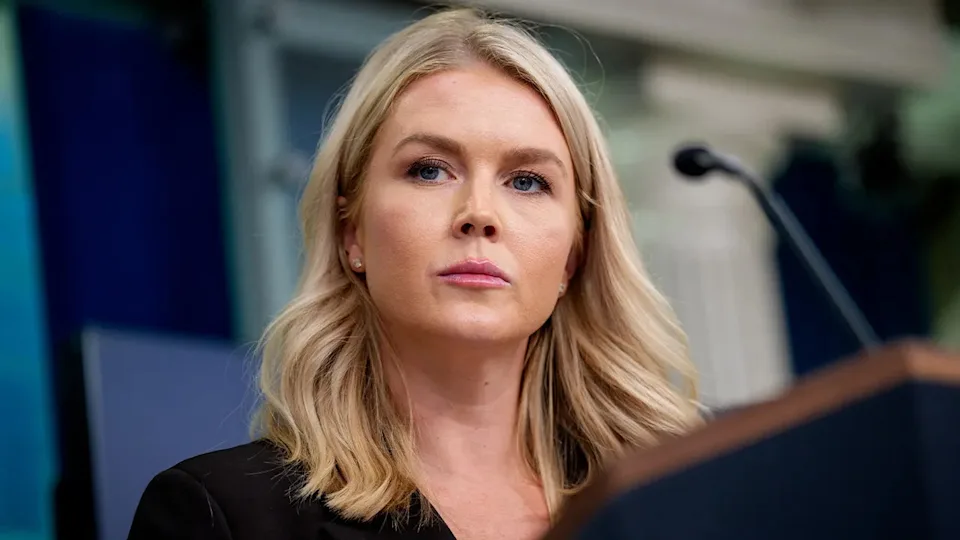
The briefing, led by White House Press Secretary Caroline Leavitt, was intended to calm concerns after several days of intense scrutiny. Instead, it raised new questions about policy, process, and presidential capacity at a moment of heightened geopolitical tension.
A Pardon That Stunned Law Enforcement
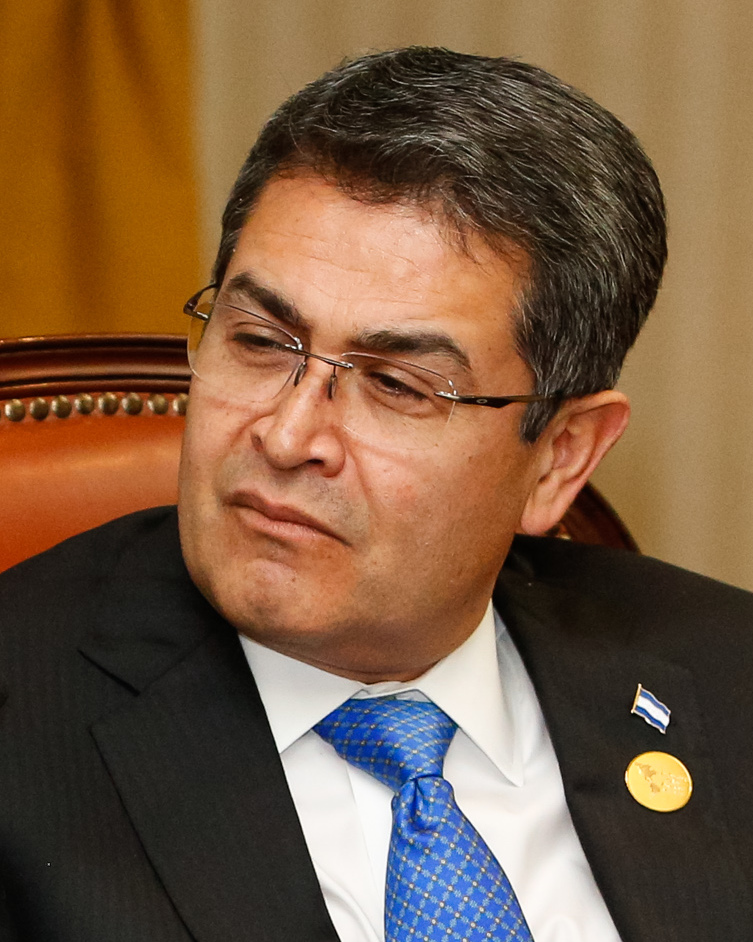
The morning opened with widespread shock across the national security establishment after the president granted clemency to Juan Orlando Hernández, the former president of Honduras convicted in U.S. court for helping funnel more than 400 tons of cocaine — an estimated 4.5 billion individual doses — into the United States. Federal prosecutors had described Hernández as sitting “at the center of one of the most violent drug-trafficking conspiracies in the world.”
At the briefing, Leavitt rejected suggestions that the pardon undermined the administration’s messaging on narcotics. “President Trump has been quite clear in defending the homeland,” she said, adding that the move was part of an effort to “correct the wrongs” of a “weaponized Justice Department” under previous administrations.
Critics argue the decision fits a broader pattern: clemency for well-connected offenders, leniency toward certain foreign leaders, and a willingness to blur the line between criminal justice and personal diplomacy. “It sends the worst possible signal,” said one former federal prosecutor. “It tells traffickers the consequences can be negotiated — or reversed.”
“No Survivors” Strike Raises Legal Questions
The administration faced equally pointed questions about a deadly naval incident in early September in which U.S. forces carried out a second strike on a vessel whose crew had already been disabled and left clinging to debris.
CNN and Senate offices have raised concerns about whether the follow-up attack — which killed 11 — met the threshold for self-defense, the justification offered repeatedly by the White House. When asked what legal authority permitted lethal force against survivors, Leavitt insisted the strike was “in accordance with the law of armed conflict,” offering little additional detail.
The president, however, has claimed he was unaware that a second strike occurred, despite it taking place under his direct chain of command. It remains unclear whether he was not briefed, or simply does not remember. Several lawmakers have called for an independent review.
A Chaotic Exchange Over the President’s MRI
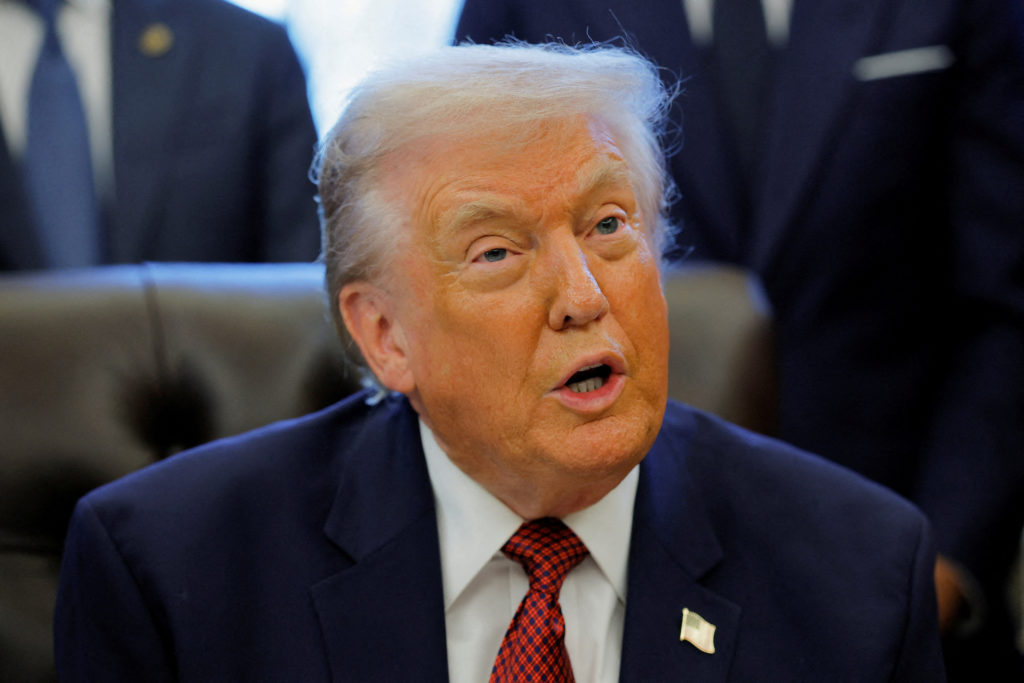
Compounding the turmoil, the president made an unscheduled appearance aboard Air Force One, insisting to reporters that his recent MRI was “absolutely perfect.” When pressed to specify which organ had been examined, he replied, “I have no idea. It was just an MRI.” He added that it was not the brain, because he had already “aced” a cognitive test.
The moment immediately circulated online, raising fresh concerns about the president’s health and the transparency of his medical evaluations. In response, Leavitt read aloud an unusually detailed summary of imaging results, asserting that both the president’s cardiovascular and abdominal scans were “perfectly normal.” She described healthy vessel walls, standard organ function, and “excellent” overall vitality.
The specificity of the written report stood in stark contrast to the president’s own uncertainty. The White House insisted the imaging was simply part of a routine “executive physical,” though it is uncommon for a sitting president’s medical information to be released in such a hurried and defensive manner.
Growing Concerns About Crisis Management
Observers noted that the press secretary appeared eager to project confidence — at times emphasizing medical terminology with theatrical enthusiasm — even as the administration’s explanations contradicted one another. “This is not a communications problem,” said a former senior White House adviser. “It’s a policy problem layered on top of a credibility problem.”
Across the political spectrum, lawmakers expressed unease with what they described as increasingly erratic governance. The combination of a high-stakes pardon, opaque military actions, and a wandering presidential monologue about medical tests left many questioning whether the administration is prepared for mounting domestic and international challenges.
For now, the White House maintains that everything — from the president’s health to the legality of lethal strikes — is operating “within normal limits.” Yet the spectacle of the briefing, and the president’s own improvisational remarks, suggested a government struggling to regain control of its narrative.
As one reporter muttered after the president departed, “If this was supposed to reassure us, it didn’t.”