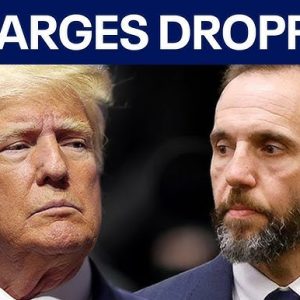
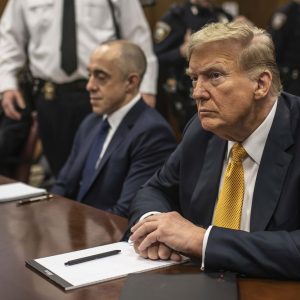
The Optics of Outrage: Why 32,000 Lives in Tehran Outweigh Millions in Washington
WASHINGTON — In the high-stakes theater of American foreign policy, numbers are rarely just statistics; they are political currency. This week, House Judiciary Chair Jim Jordan (R-Ohio) delivered a passionate defense of the Trump administration’s recent military strikes in Iran, claiming the President “couldn’t look away” from the reported 32,000 protesters killed by the Iranian regime. It was a moment of moral clarity intended to justify a major combat operation, yet for many observers, the statement rang hollow against a backdrop of historic domestic unrest.
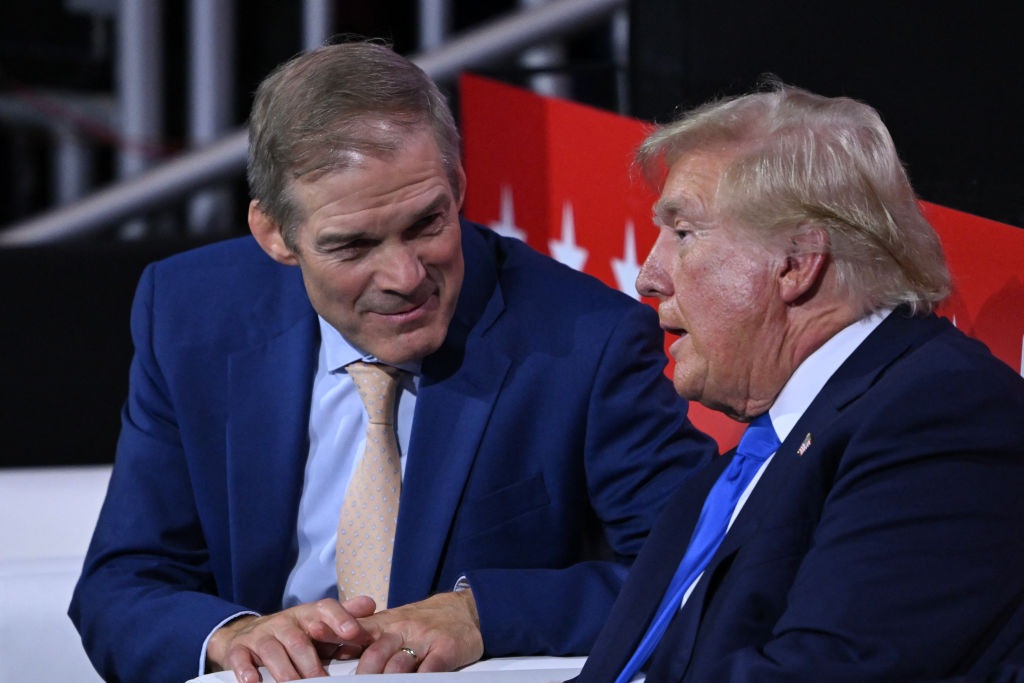
As the administration focuses its gaze on the streets of Tehran, a sharper question is beginning to echo through the halls of Congress: If the President’s conscience is stirred by the plight of Iranians thousands of miles away, why has it remained so resolutely fixed against the millions of Americans protesting in his own backyard?
The “No Kings” Contrast
The disparity is visceral. According to the Crowd Counting Consortium, the United States has seen a 133% increase in protest activity since the President’s second inauguration in 2025. The recent “No Kings” and “Hands off Greenland” mobilizations drew an estimated 5 million to 7 million participants across all 50 states—making them some of the largest single-day demonstrations in American history.
While Jordan and other allies frame the Iranian protests as a fight for “freedom” that necessitates U.S. intervention, the domestic movements—largely focused on immigration crackdowns, the weaponization of the DOJ, and the unsealing of the Epstein files—have been met with a vastly different rhetorical toolkit. In Washington, “protesters” are often rebranded as “insurrectionists” or “domestic terrorists” by administration officials like Kristi Noem.
Selective Sovereignty
The administration’s defense of Iranian sovereignty appears to be a study in selective empathy. During the explosive February 11 House Judiciary hearing, Attorney General Pam Bondi faced a barrage of criticism for her handling of the Jeffrey Epstein archives. Lawmakers like Dan Goldman and Jasmine Crockett pointed to 38,000 references to the President within those files, alleging a “structural cover-up” that protects the powerful while exposing survivors.
The irony was not lost on the gallery. “We are currently the laughingstock of the world,” Representative Crockett remarked during her viral exchange with Bondi. “You’re spending more taxpayer resources arresting journalists than you are prosecuting pedophiles and creeps.” For critics, the administration’s willingness to launch “Operation Epic Fury” to avenge Iranian protesters looks less like humanitarianism and more like a strategic distraction from the “firestorm” at home.
The Narrative Battlefield
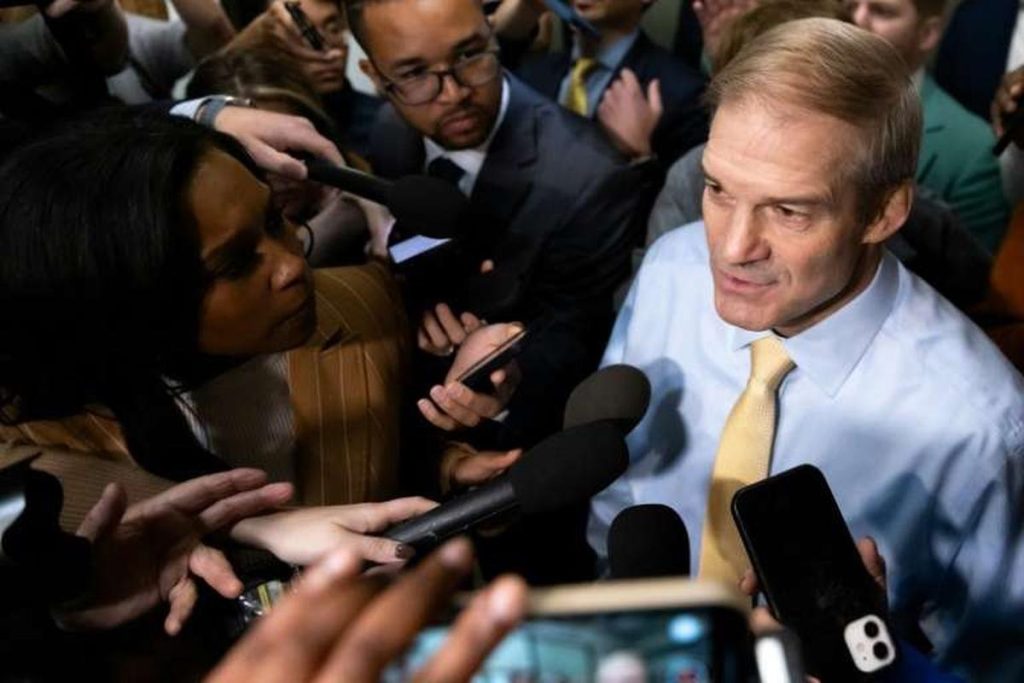
Jim Jordan’s focus on the 32,000 figure—a number Trump cited without a specific source during his State of the Union—highlights a shift in how the administration manages its image. By elevating a foreign crisis, the White House successfully pushes domestic “credibility crises” like the Epstein redaction scandal and the Minnesota immigration raids out of the primary news cycle.
However, the “immune response” to this strategy is growing. International policy experts call this a “symbolic soft power slip.” When a leader stops reacting to the democratic will of his own citizens while claiming to champion the democratic will of others, the moral authority of the state begins to erode.
A Credibility Gap
As the March 18th deadline for full Epstein file disclosure approaches, the pressure on Washington is no longer confined to the hearing rooms. The protests filling U.S. city squares are the visible symptom of a public that feels ignored.
If Jim Jordan truly believes that the President “cannot look away” from injustice, he may soon find that the millions of Americans currently standing in the streets are becoming impossible to ignore. In the optics of 2026, the most devastating evidence of a failed leadership isn’t a document or a transcript—it is the silence of a government that has turned its back on its own people.