By XAMXAM
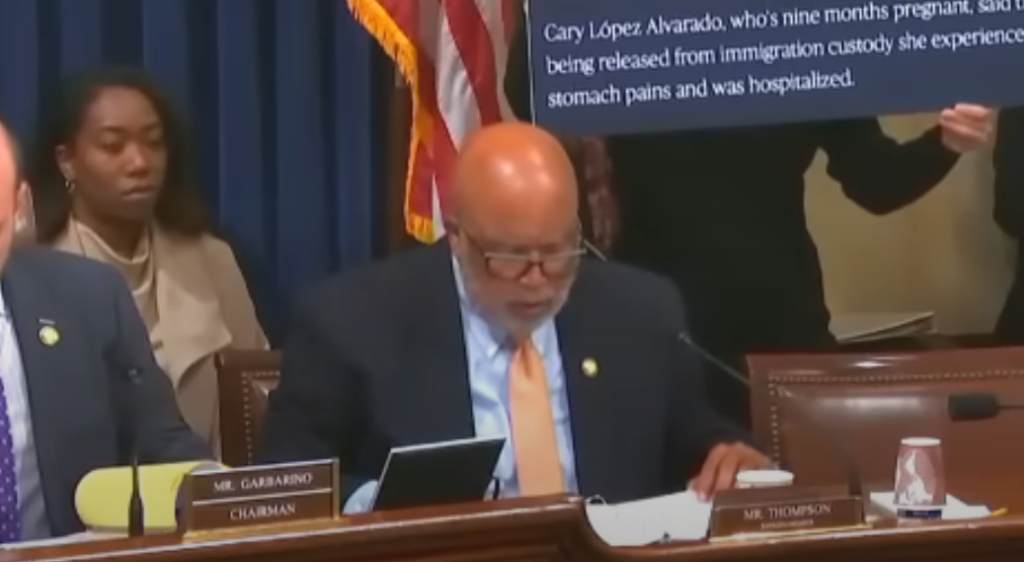
WASHINGTON — In one of the most combative oversight hearings of the year, Representative Bennie Thompson of Mississippi accused Homeland Security Secretary Kristi Noem of presiding over a department that, he said, has illegally detained and deported American citizens, brutalized civilians, and systematically evaded congressional oversight. His conclusion was blunt and unmistakable: she should resign.
“You cannot enforce the law by breaking the law,” Thompson said, addressing Noem directly. “That’s not how justice works. It’s not right, and it’s un-American.”
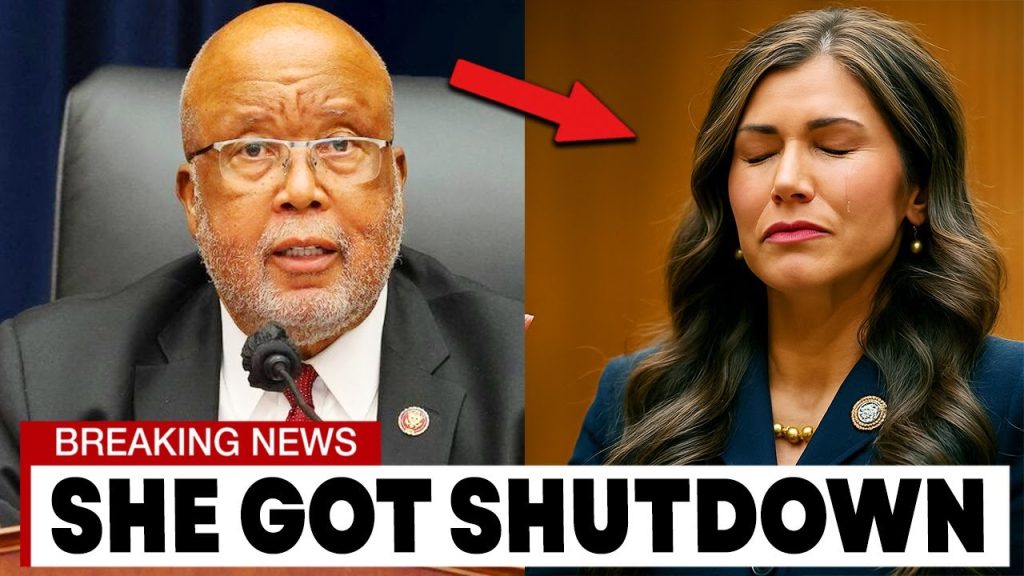
The exchange unfolded as Thompson laid out a sweeping indictment of the Department of Homeland Security under Noem’s leadership, alleging a pattern of unlawful conduct that went far beyond disputed policy choices. According to Thompson, DHS agents have illegally detained and deported U.S. citizens — including children suffering from cancer — and used excessive force against civilians ranging from senior citizens to military veterans and clergy.
In stark terms, Thompson described citizens being pepper-sprayed, tackled, tased, beaten, and even shot during enforcement operations. He emphasized that Black and brown Americans, in particular, have borne the brunt of these actions, alleging widespread racial profiling with “tragic consequences.”
One case he cited drew audible reaction in the hearing room: a pregnant U.S. citizen who was reportedly thrown to the ground, kicked, handcuffed for hours because officers questioned her citizenship, and later lost her baby. Thompson framed the incident not as an anomaly, but as emblematic of a department that, he said, has abandoned constitutional limits.
Beyond the alleged abuses themselves, Thompson focused on what he called Noem’s refusal to submit to oversight. He accused her of hiding from Congress, ignoring formal requests for information, and appearing before the committee far less frequently than her predecessors under both Democratic and Republican administrations.
“Never in the history of this committee has a secretary hidden from oversight like you and your department have,” Thompson said, noting that dozens of letters sent to DHS had gone unanswered. He contrasted Noem’s limited appearances with the far more frequent testimony given by prior homeland security secretaries, arguing that accountability had eroded under her tenure.
For Thompson, the issue was not partisan. Oversight, he said, is a constitutional obligation, not an optional courtesy. When an executive department refuses to answer Congress, the balance of power breaks down.
“You are making America less safe,” he told Noem. “You have dismantled the department, put your own interests above the law, and violated the Constitution.”
He ended his remarks with a direct call for her resignation, adding pointedly that if she did not step down, President Trump should remove her.
The hearing did not end there. The discussion shifted to domestic terrorism, revealing another fault line. When a witness suggested that Antifa represented the primary domestic terrorist threat facing the nation, Thompson pressed for basic evidence: a headquarters, a membership estimate, any concrete structure. None was provided. Thompson accused officials of making sweeping claims without substantiation, warning that labeling amorphous movements as top threats without evidence undermines credibility and misdirects resources.
The exchange grew even more tense when the conversation turned to a fatal shooting involving a National Guardsman. Thompson challenged the administration’s characterization of the incident as an “unfortunate accident” and disputed attempts to place sole blame on the Biden administration’s asylum process. He argued that DHS under Trump-era leadership had approved or allowed the asylum claim to proceed, accusing officials of deflecting responsibility rather than answering straightforward questions.
Throughout the hearing, Noem defended the department’s actions as necessary for public safety and repeatedly pointed to policies inherited from previous administrations. Thompson was unconvinced. He accused her of refusing to answer yes-or-no questions, misrepresenting facts, and attempting to obscure responsibility through bureaucratic ambiguity.
The confrontation underscored a broader struggle playing out across Washington: the extent to which aggressive enforcement can coexist with constitutional safeguards, and what happens when executive officials treat judicial and legislative constraints as obstacles rather than obligations.
For Thompson, the answer was clear. If the allegations he described are accurate — illegal deportations of citizens, violent abuses, racial profiling, and defiance of oversight — then resignation is not political theater but a constitutional necessity.
“When Congress is ignored, when citizens are harmed, and when the law is broken in the name of enforcing it,” he said, “there must be consequences.”
Whether Thompson’s call will translate into formal action remains uncertain. But the hearing marked a sharp escalation in the scrutiny facing Noem and the Department of Homeland Security. It also sent a broader signal: that the debate over immigration enforcement is no longer confined to policy disagreements, but has become a test of how far executive power can stretch before accountability is enforced.
In that sense, Thompson’s warning extended beyond one official. It was a reminder that in a constitutional system, authority is not self-justifying — and that enforcing the law does not grant permission to stand above it.