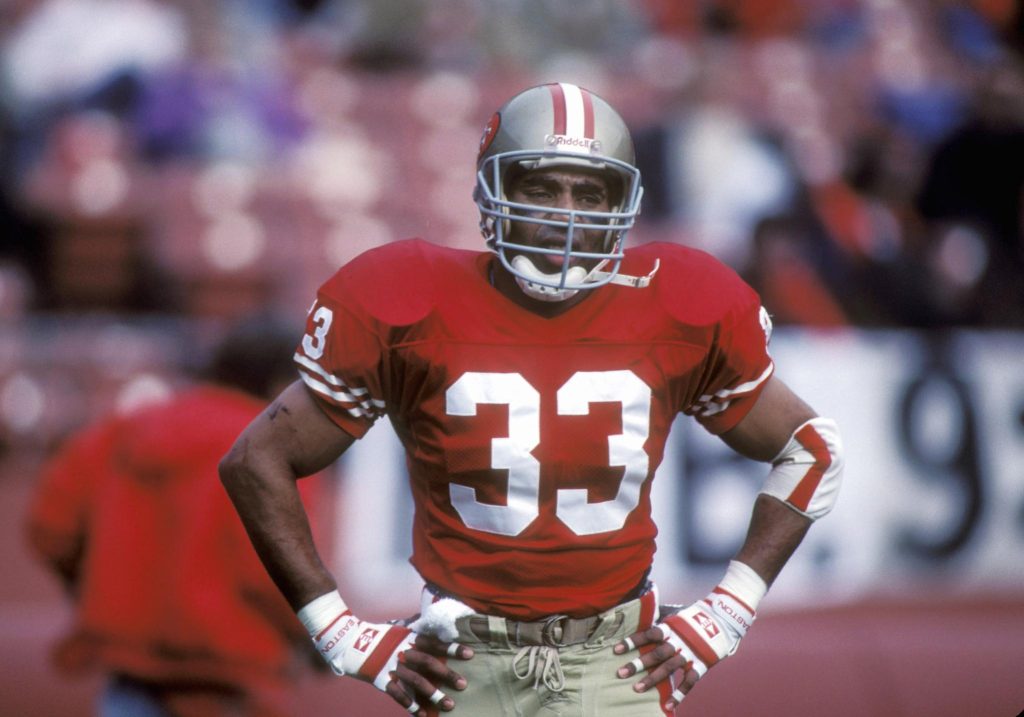
CANTON, Ohio — The race toward enshrinement in the Pro Football Hall of Fame’s Class of 2026 has entered a critical phase, as nine Seniors candidates have officially advanced to the semifinalist stage following a second major reduction vote. From an initial pool of 182 nominees, only a select group of former NFL greats remain in contention, representing decades of league history and some of the sport’s most influential performers. The Seniors Blue-Ribbon Committee — a nine-person panel responsible for evaluating long-retired players — will meet on Nov. 25 to determine which three individuals will move forward as Finalists.
While anticipation builds across fan bases and front offices alike, the Hall of Fame maintains its structured approach to Seniors evaluation. Eligible players must have last appeared in a professional game no later than the 2000 season, ensuring that overlooked stars from earlier eras receive overdue recognition. The committee’s decisions, along with the Finalists in the Coach and Contributor categories, will be revealed in early December, marking one of the most pivotal checkpoints in the annual selection cycle.
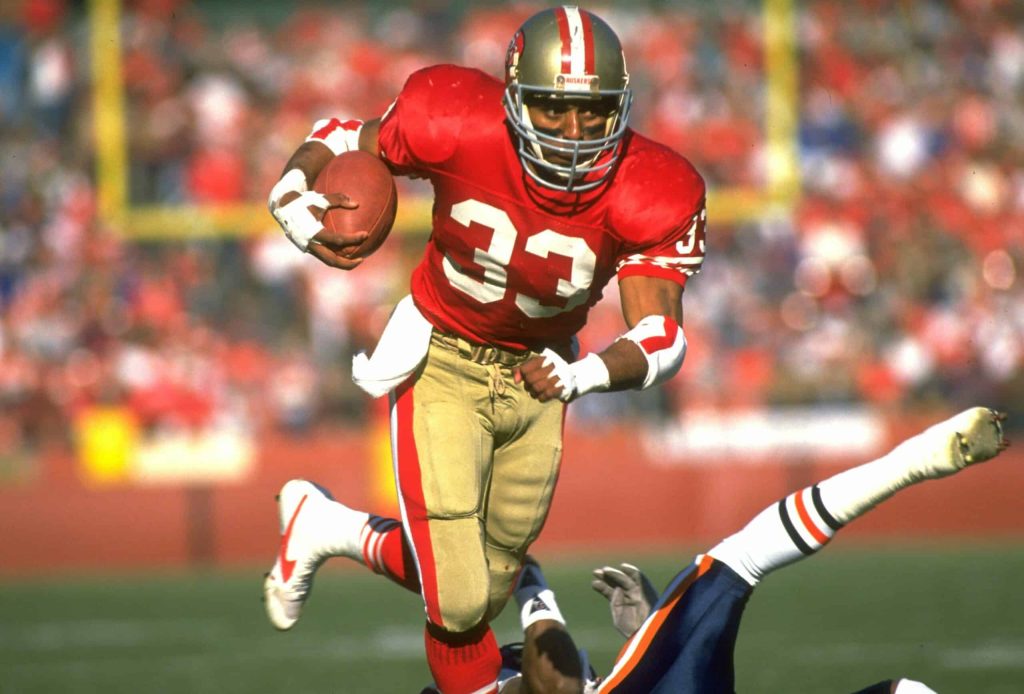
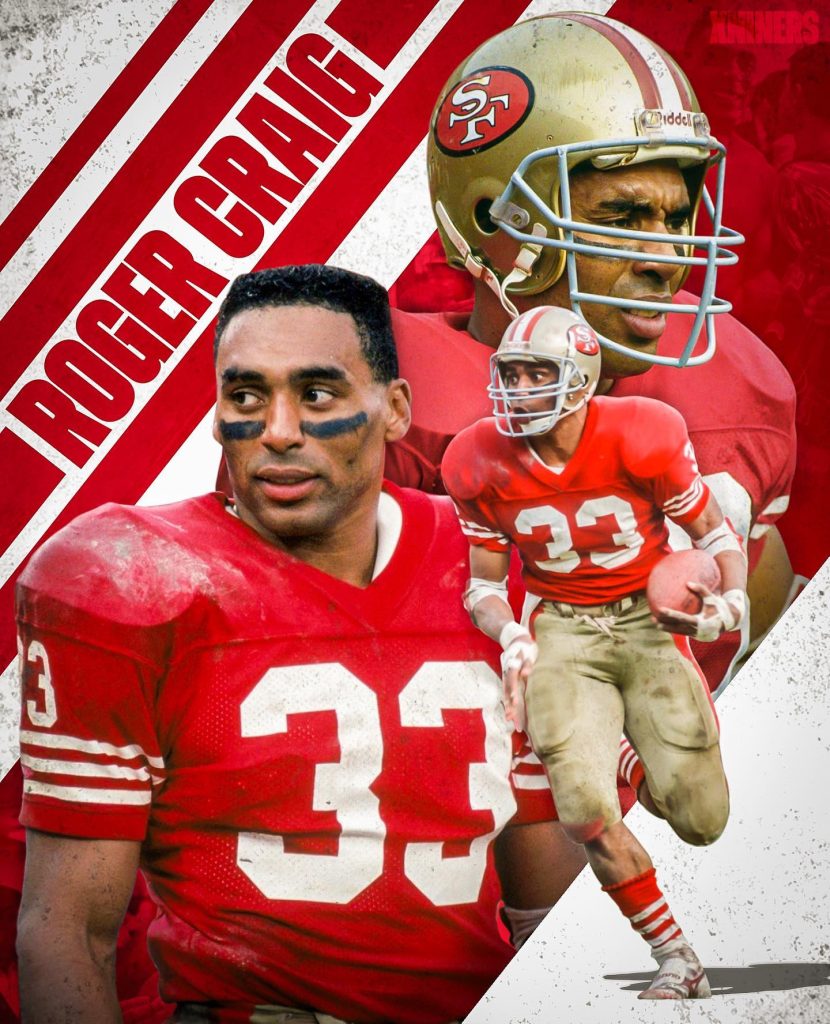
Among the nine semifinalists, one name stands out with particular resonance: three-time Super Bowl champion Roger Craig, the former San Francisco 49ers running back whose versatility redefined offensive football in the 1980s. Craig — who made history as the first NFL player ever to record 1,000 rushing yards and 1,000 receiving yards in the same season — has long been viewed as one of the most deserving players not yet enshrined in Canton. His placement among the final nine Senior Semifinalists has reignited calls from fans, former teammates, and analysts who believe his résumé has been overlooked for far too long.
Craig’s case is rooted not just in statistics, but in innovation. During his eight seasons with the 49ers (1983–1990), he became the prototype for the modern dual-threat running back, thriving in Bill Walsh’s West Coast offense and punishing defenses with unprecedented versatility. His trademark high-knee running style became an iconic image of the dynasty era. Across his 11-year career — which also included stints with the Raiders and Vikings — Craig totaled 13,100 yards from scrimmage and scored 73 touchdowns, numbers that place him among the era’s most productive and impactful players.
What strengthens Craig’s candidacy even further is his consistency during championship runs. He played a central role in three San Francisco Super Bowl victories, including the franchise’s title in the 1984 season, when he became the first player ever to score three touchdowns in a Super Bowl. Teammates such as Joe Montana and Jerry Rice have repeatedly voiced support for his Hall of Fame induction, often arguing that his contributions transformed offensive expectations league-wide. For many, Craig is not merely a great player — he is a foundational figure in the evolution of the running back position.
Craig is joined by a formidable group of semifinalists, including Ken Anderson, Henry Ellard, L.C. Greenwood, Joe Jacoby, Eddie Meador, Stanley Morgan, Steve Tasker and Otis Taylor. Each brings a compelling legacy: Anderson’s MVP season in 1981, Ellard’s longevity and precision as a route runner, Greenwood’s dominance on the “Steel Curtain” defense, and Tasker’s reputation as one of the greatest special teams players in NFL history. Yet even in such company, Craig’s unique statistical milestone and championship pedigree place him at the forefront of this year’s debate.
The selection process remains stringent. Only three Seniors Finalists will emerge from this group, joining 15 Modern-Era Players, one Coach and one Contributor when the full Selection Committee meets ahead of Super Bowl LX. The Hall’s bylaws permit between four and eight total inductees each year, ensuring exclusivity and preserving the prestige of enshrinement. Voting procedures are once again being overseen by Ernst & Young LLP, which has partnered with the Hall since 2019 to ensure accuracy and transparency in ballot tabulation.
As the NFL community awaits the next round of announcements, momentum continues to build behind Craig’s candidacy. For supporters, this moment feels overdue — a chance to correct history and honor a player who changed the way offenses operate across the league. For Craig, who has remained humble and largely private during previous Hall of Fame cycles, reaching the semifinalist stage yet again represents another step toward what many believe is an inevitable place in Canton.
The Pro Football Hall of Fame Class of 2026 will be announced at NFL Honors in San Francisco this February, with enshrinement scheduled for August in Canton. If selected, Roger Craig would become one of the defining additions to a class already poised to celebrate some of the NFL’s most influential figures. For now, all eyes turn to Nov. 25 — and to the possibility that one of the league’s most groundbreaking running backs may finally receive football’s highest honor.