In late 2023 and through 2024, a constitutional argument that once sounded abstract became a live question with immediate political consequences: Can a former president be criminally prosecuted for actions taken while in office?
Donald J. Trump, facing multiple legal threats, urged courts to recognize what his lawyers framed as sweeping “presidential immunity.” The claim was not simply procedural. It was a theory of executive power: that decisions made as president should be insulated from criminal liability after leaving office, lest future presidents become targets of politically motivated prosecutions. Trump also argued that without broad protection, presidents would govern timidly, fearing that every controversial choice could later be recast as a crime.
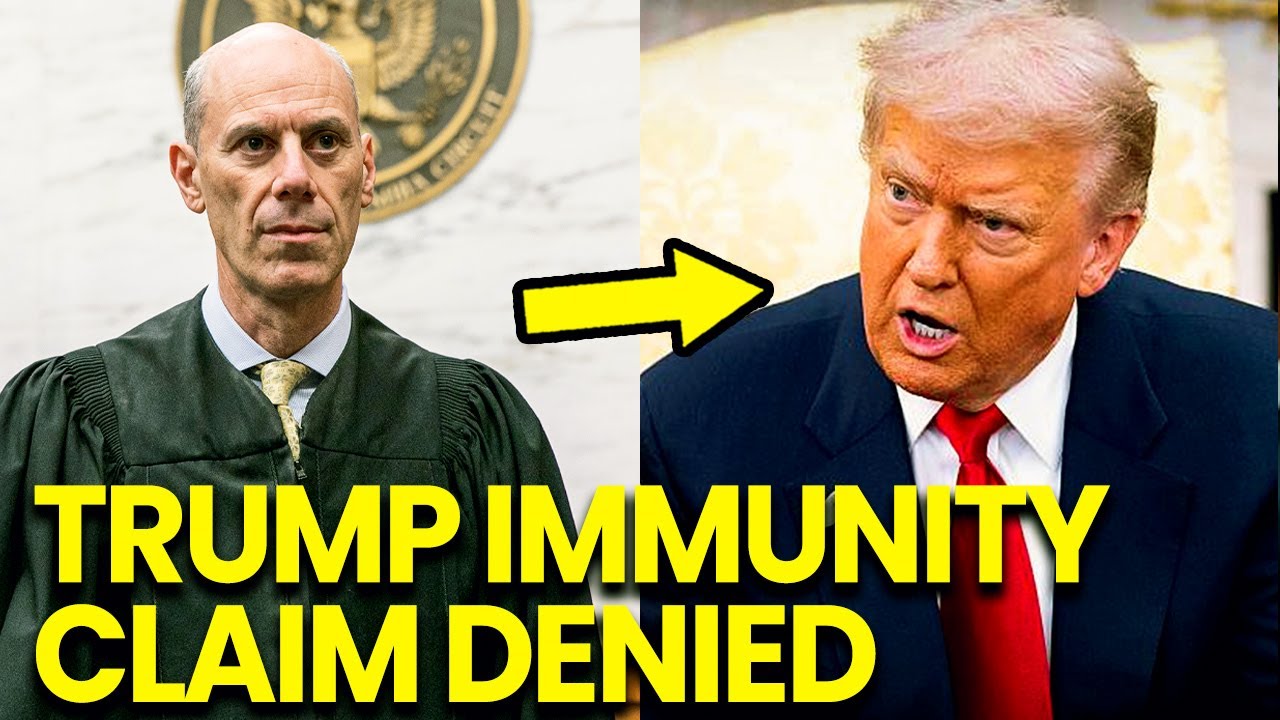
Lower courts were initially unpersuaded. In December 2023, Judge Tanya S. Chutkan of the federal district court in Washington rejected Trump’s request to dismiss the federal election-interference case brought by Special Counsel Jack Smith. Her reasoning tracked a basic principle of American law: while sitting presidents may be protected by longstanding Justice Department policy against indictment, former presidents do not retain office-based immunity as a permanent shield. When the presidency ends, the person returns to ordinary legal status.
That theme sharpened on appeal. On February 6, 2024, a unanimous panel of the U.S. Court of Appeals for the District of Columbia Circuit affirmed the denial of Trump’s immunity bid and coined a phrase that quickly entered public shorthand: for purposes of the case, “former President Trump has become citizen Trump,” entitled to the defenses available to any criminal defendant — but not a categorical exemption from prosecution. The line was more than rhetorical. It was an assertion that American constitutional structure does not recognize a lifetime legal privilege attached to past office.
The Supreme Court, however, did not fully endorse that broad rejection. In July 2024, it issued a landmark decision in Trump v. United States, constructing a tiered framework. Under the Court’s approach, presidents have absolute immunity for “core” constitutional acts, presumptive immunity for other official acts, and no immunity for private conduct. The ruling required courts to sort alleged behavior into categories before prosecutors could proceed — a demanding, fact-specific exercise that can slow cases and narrow charges.
Supporters of the decision portrayed it as a safeguard against weaponized prosecutions that could destabilize the executive branch. Critics warned it risked placing presidents closer to being “above the law,” especially if courts interpret “official acts” expansively. The dissents emphasized how difficult it may be to hold future presidents accountable if conduct can be framed as part of governing.
That complexity reverberated beyond Washington. In New York, where Trump was convicted in 2024 of 34 felony counts of falsifying business records related to hush-money payments, his lawyers tried to use the Supreme Court’s immunity framework to attack the verdict. The state trial judge, Juan Merchan, declined to set aside the conviction, concluding that the underlying conduct was private and electoral in nature, not an official presidential function. In early 2025, the court imposed no jail time, but the conviction remained a defining legal milestone: it demonstrated that immunity arguments are weakest when alleged wrongdoing is clearly personal or campaign-related.
Together, the rulings draw a boundary that is neither absolute protection nor unrestricted prosecution. The presidency carries real legal insulation for genuine exercises of executive power — but it does not confer a blanket, lifelong pass. And in the American system, that line matters: it shapes not only Trump’s exposure, but the incentives and restraints facing every president who follows.