Whitehouse Exposes Bondi’s Contradictions on DOJ Weaponization
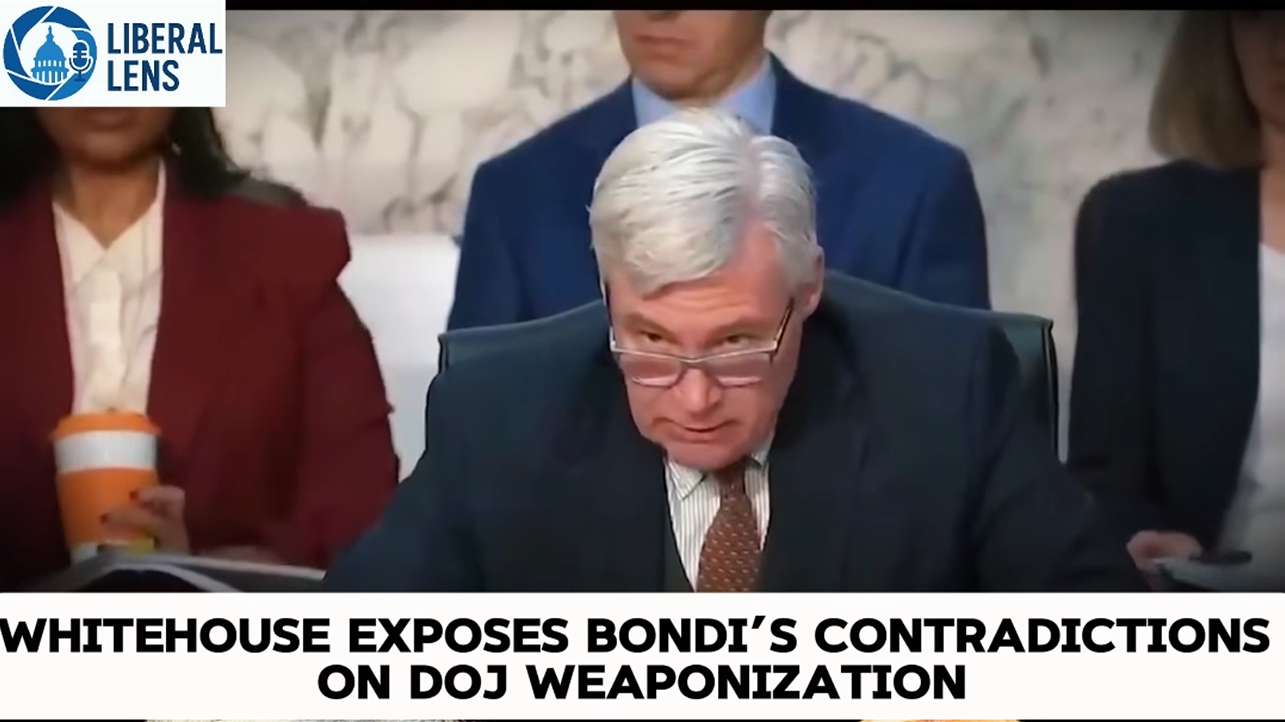
WASHINGTON — In a Senate confirmation hearing that cut to the core of concerns about prosecutorial independence, Senator Sheldon Whitehouse of Rhode Island methodically questioned Pam Bondi, President Trump’s nominee for attorney general, about whether the Justice Department under her leadership would adhere to long-standing legal norms or bend toward political enforcement.
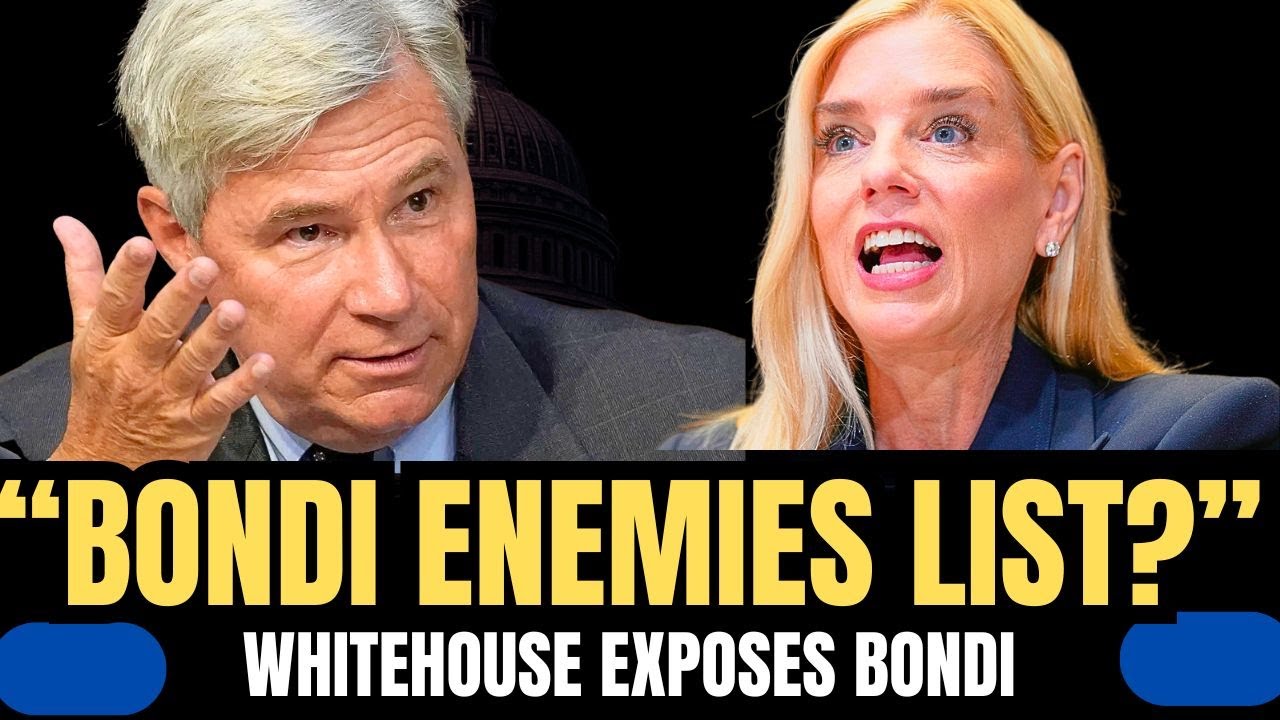
The exchange, while civil in tone, reflected deep anxieties among Democrats — and some legal scholars — that a second Trump administration could use the machinery of justice to punish perceived enemies, reward allies and settle political scores. Mr. Whitehouse’s questions were less about past statements than about future power: how it would be used, restrained and, if necessary, resisted.
He began with a simple but pointed line of inquiry. As a longtime prosecutor and later Florida’s attorney general, did Ms. Bondi ever keep an “enemies list”? She answered no. Would she have hired someone who maintained such a list? Again, no. The hypothetical, however, quickly turned concrete. Mr. Whitehouse referenced public remarks by Kash Patel, a Trump ally and potential senior law enforcement official, who has spoken openly about targeting perceived adversaries within government.
Ms. Bondi rejected the premise that Mr. Patel maintained an enemies list, praising his experience as a public defender, prosecutor and national security official. But Mr. Whitehouse pressed on, asking not about Mr. Patel’s résumé but about the principle itself: whether she would enforce or tolerate a system in which the Justice Department singled out individuals for investigation based on political animus.
“There will never be an enemies list within the Department of Justice,” Ms. Bondi replied.
That assurance, while unequivocal, did not end the senator’s concerns. He turned next to the role of the F.B.I., particularly its counterterrorism and national security functions. With global threats mounting — from China to domestic extremist networks — Mr. Whitehouse asked whether it would be responsible to curtail or dismantle those operations, an idea that has circulated in some pro-Trump circles.
Ms. Bondi affirmed the importance of counterterrorism and said she had no intention of shutting down such work, though she added that, if confirmed, she would review each agency individually. To critics, that caveat underscored the uncertainty at the heart of the hearing: firm rhetoric paired with discretionary authority.
The most revealing moment came when Mr. Whitehouse raised Ms. Bondi’s past comment that Justice Department prosecutors themselves could be prosecuted. Ms. Bondi clarified that she had said prosecutors would be prosecuted “if bad,” citing a case in which a government lawyer altered evidence in a surveillance application.
No one disputes that prosecutors can commit misconduct. But Mr. Whitehouse emphasized a foundational principle of American law enforcement: prosecutors must start with evidence of a crime and follow it to a suspect, not start with a person and search for an offense. That distinction, he suggested, is the line between justice and retribution.
Ms. Bondi countered by arguing that what she called the “weaponization” of the Justice Department in recent years had violated that principle, particularly in investigations involving Mr. Trump. She pledged that, as attorney general, she would not politicize the office or target individuals because of their political affiliation. “Justice will be administered evenhandedly,” she said.
The senator also questioned her views on press freedom, asking under what circumstances journalists might be prosecuted for their reporting. Ms. Bondi said she believed in free speech and that journalists would face prosecution only if they committed crimes. Critics note that such assurances, while standard, leave room for interpretation and can have a chilling effect if aggressively applied.
Perhaps the most consequential portion of the exchange focused on the Justice Department’s contacts policy — a decades-old rule limiting communications between the White House and federal prosecutors to prevent political interference. The policy, strengthened after past abuses, is widely regarded as a cornerstone of prosecutorial independence.
Mr. Whitehouse asked whether Ms. Bondi would maintain and enforce that policy, even if it meant telling a president no. She said she would follow it and limit contacts to appropriate officials.
For Mr. Whitehouse, the hearing was not about accusing Ms. Bondi of bad faith. It was about placing markers on the public record. Power, he suggested, does not erode democratic systems all at once. It does so gradually, through exceptions, rationalizations and selective enforcement that feel justified in the moment.
Confirmation hearings, in this view, are less about predicting misconduct than about defining standards by which future actions can be judged. Ms. Bondi offered assurances that the Justice Department would remain neutral and law-bound. Mr. Whitehouse’s questions made clear why those assurances matter — and why, once authority is granted, words alone will not be enough.